Loading departure…
Loading departure…
Loading departure…
Loading departure…
Loading departure…
Loading departure…
Loading departure…
Loading departure…
Loading departure…
Loading departure…
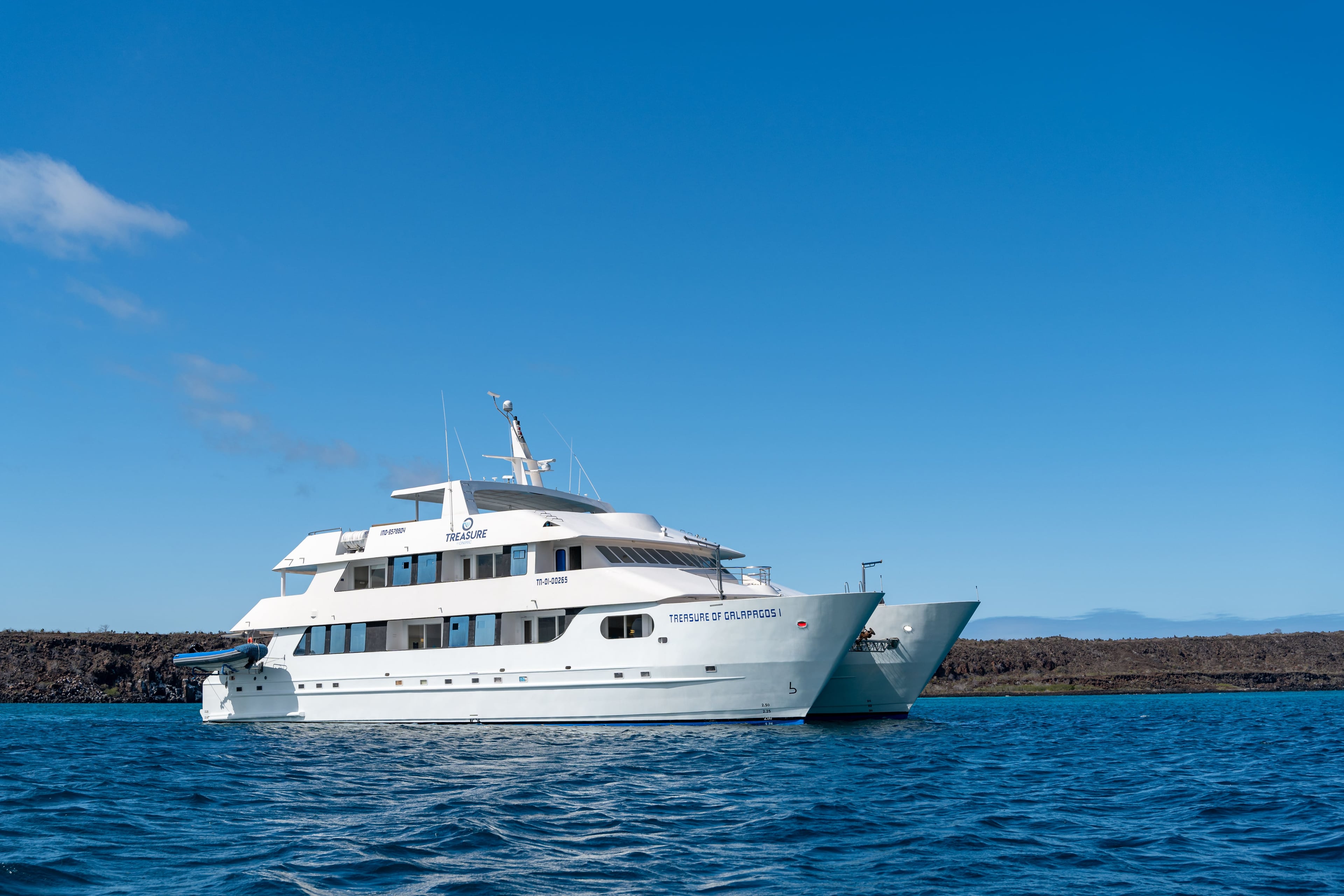
Public Areas
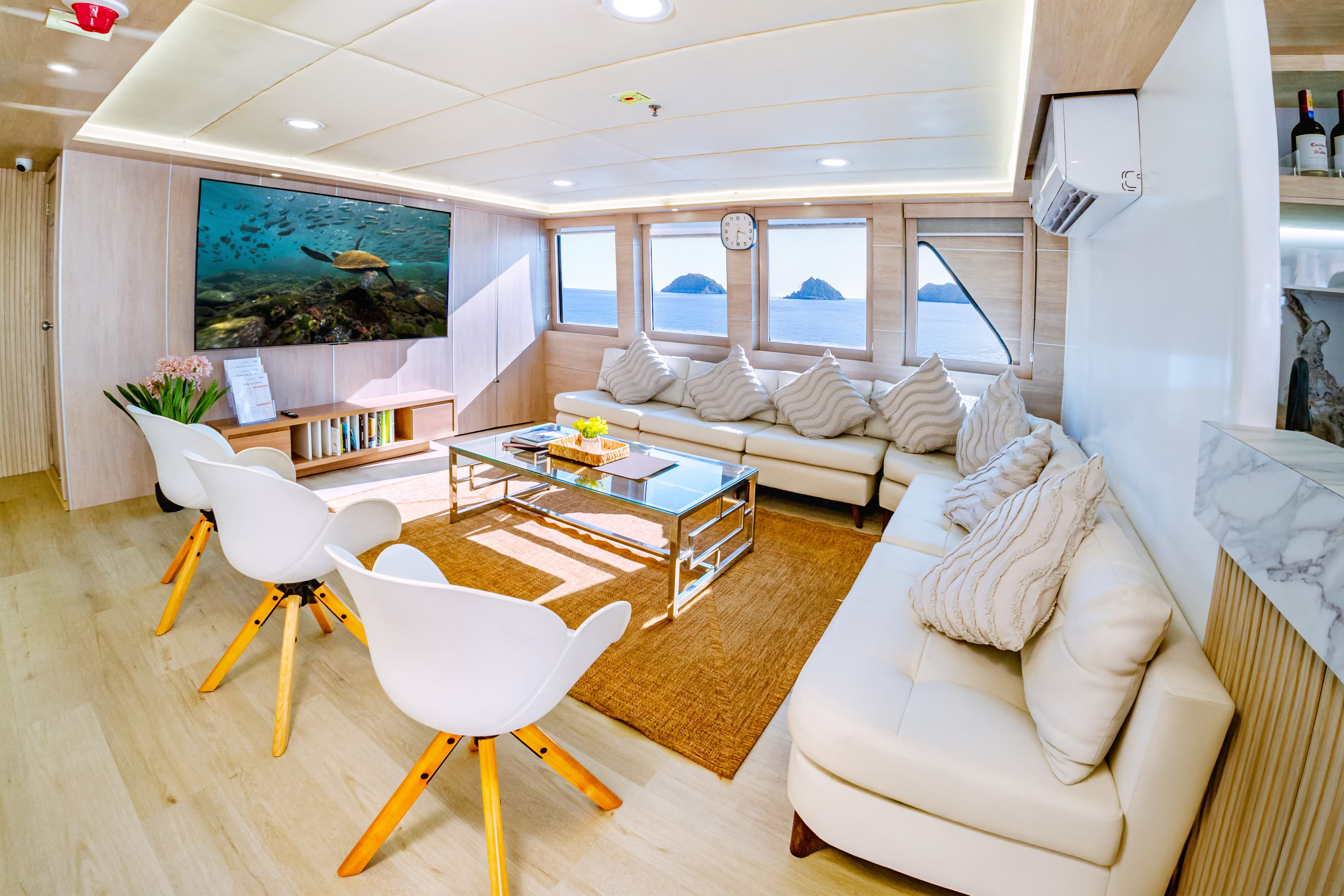
Public Areas
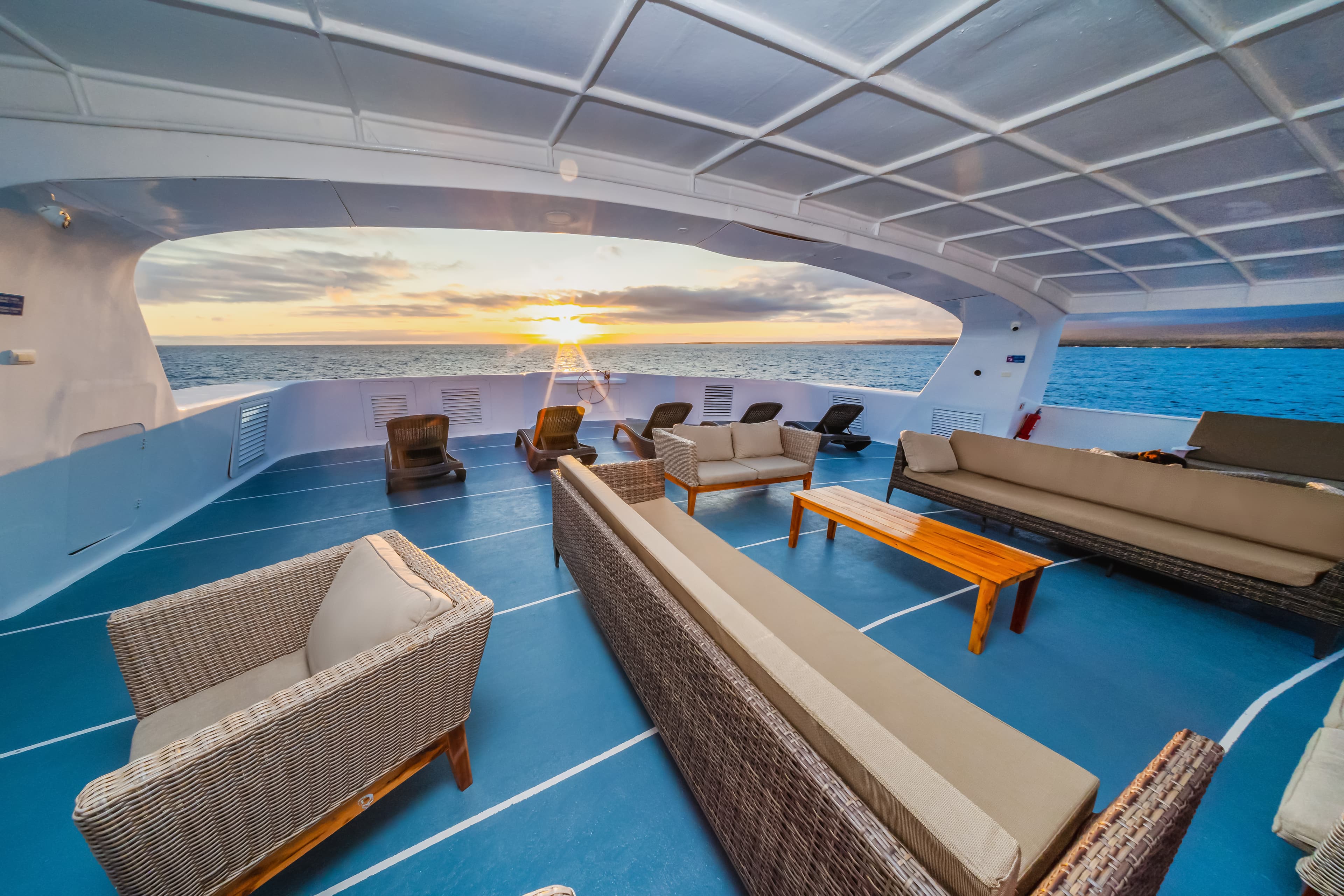
Public Areas
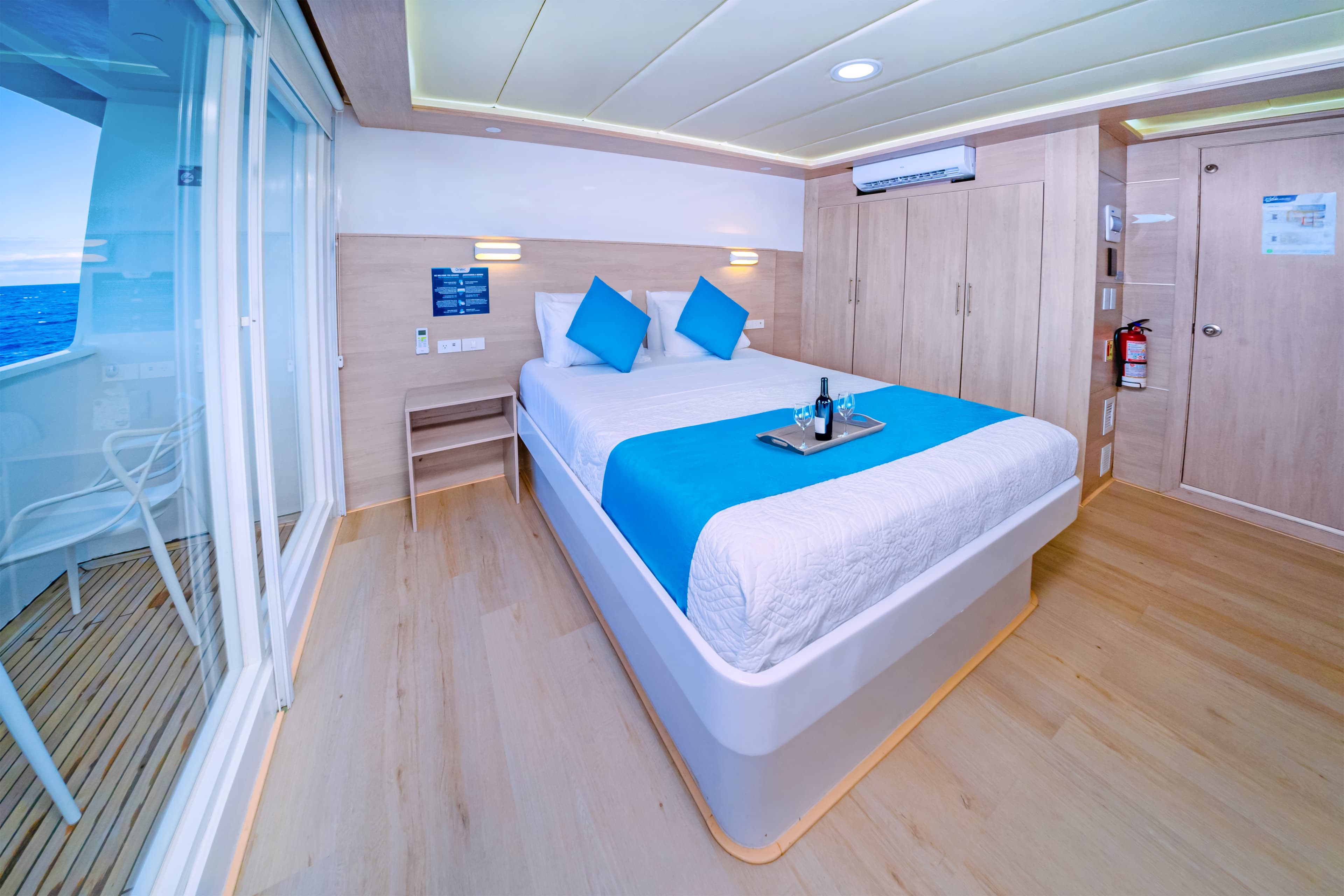
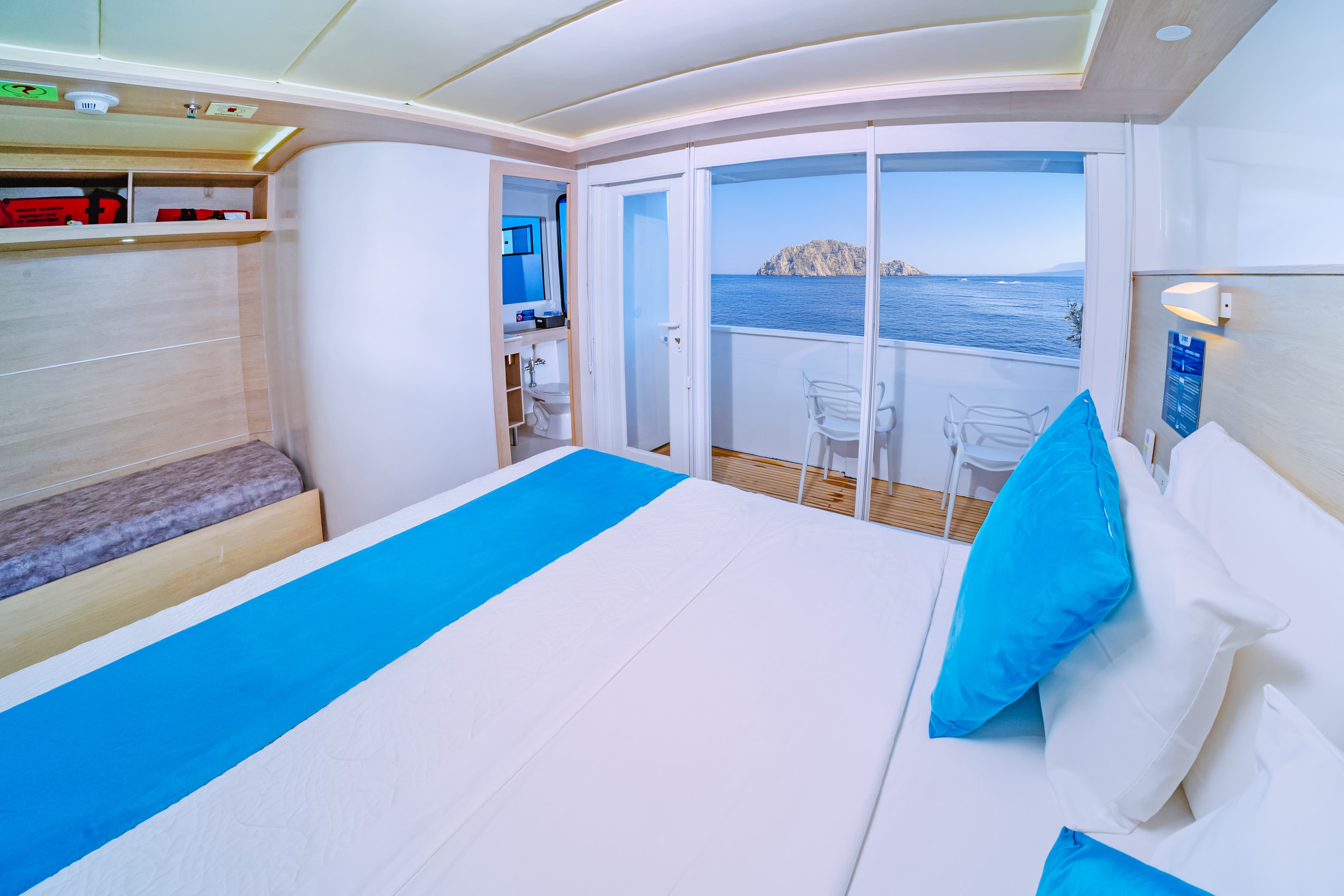
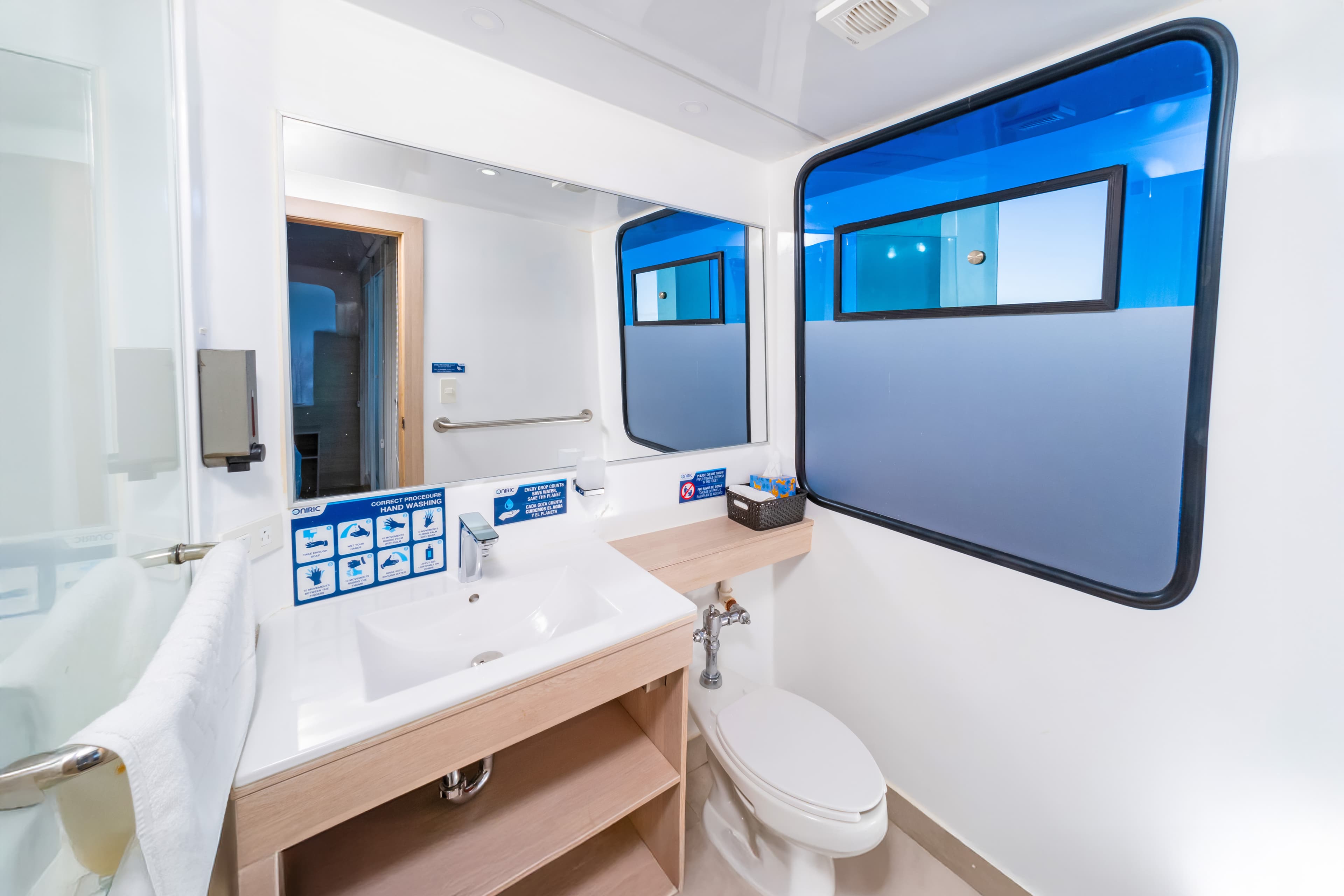
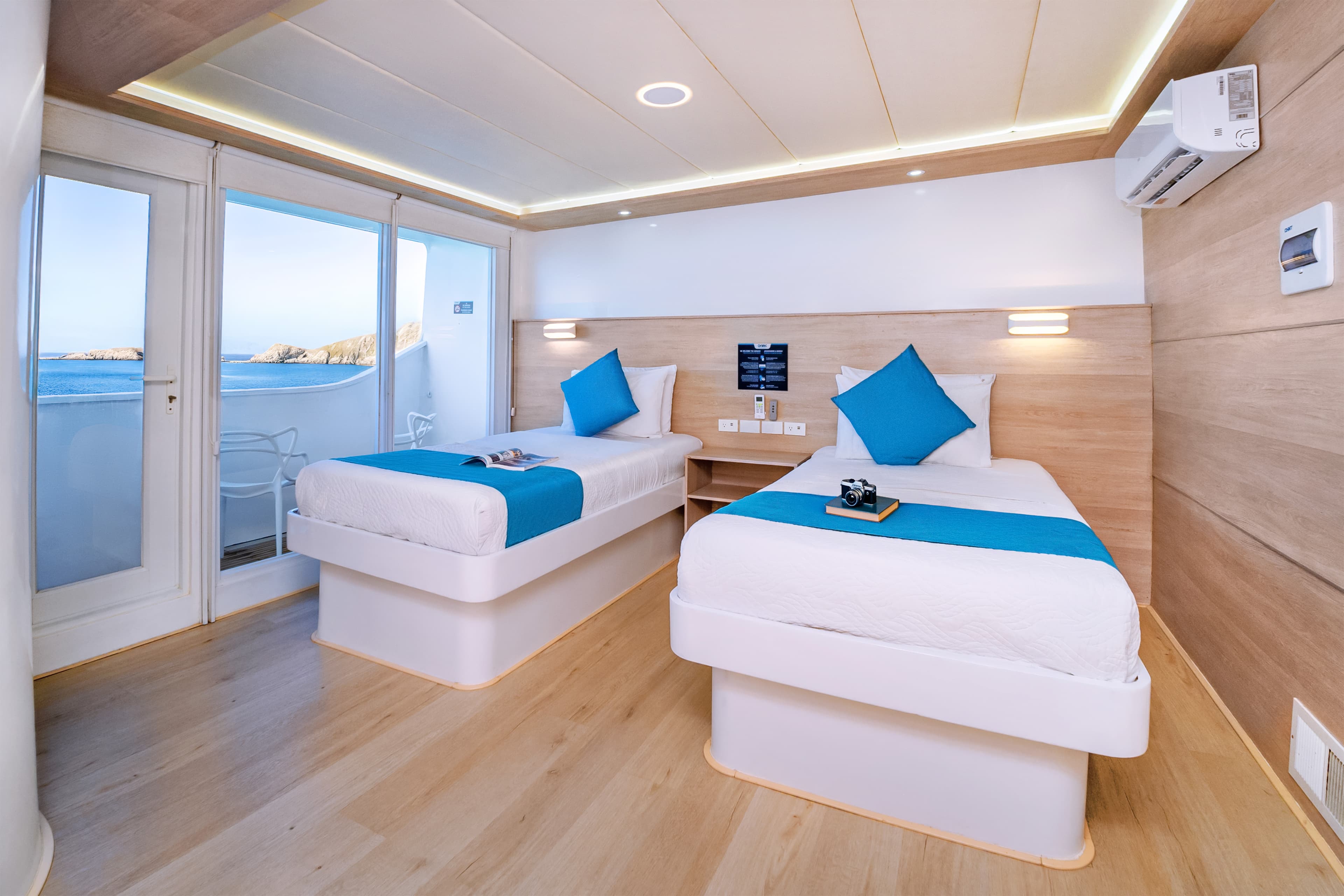
Doble (trp) Stateroom
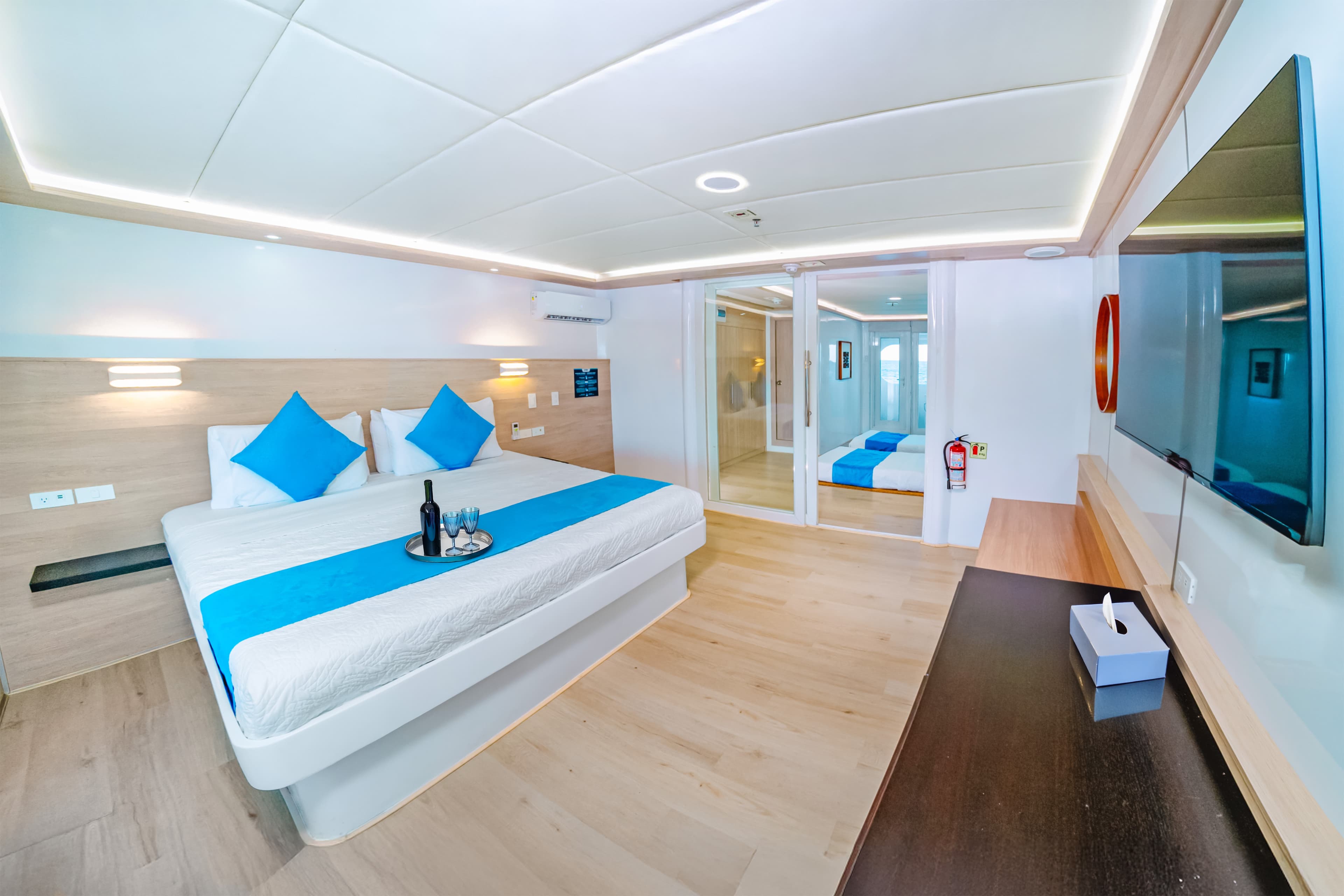
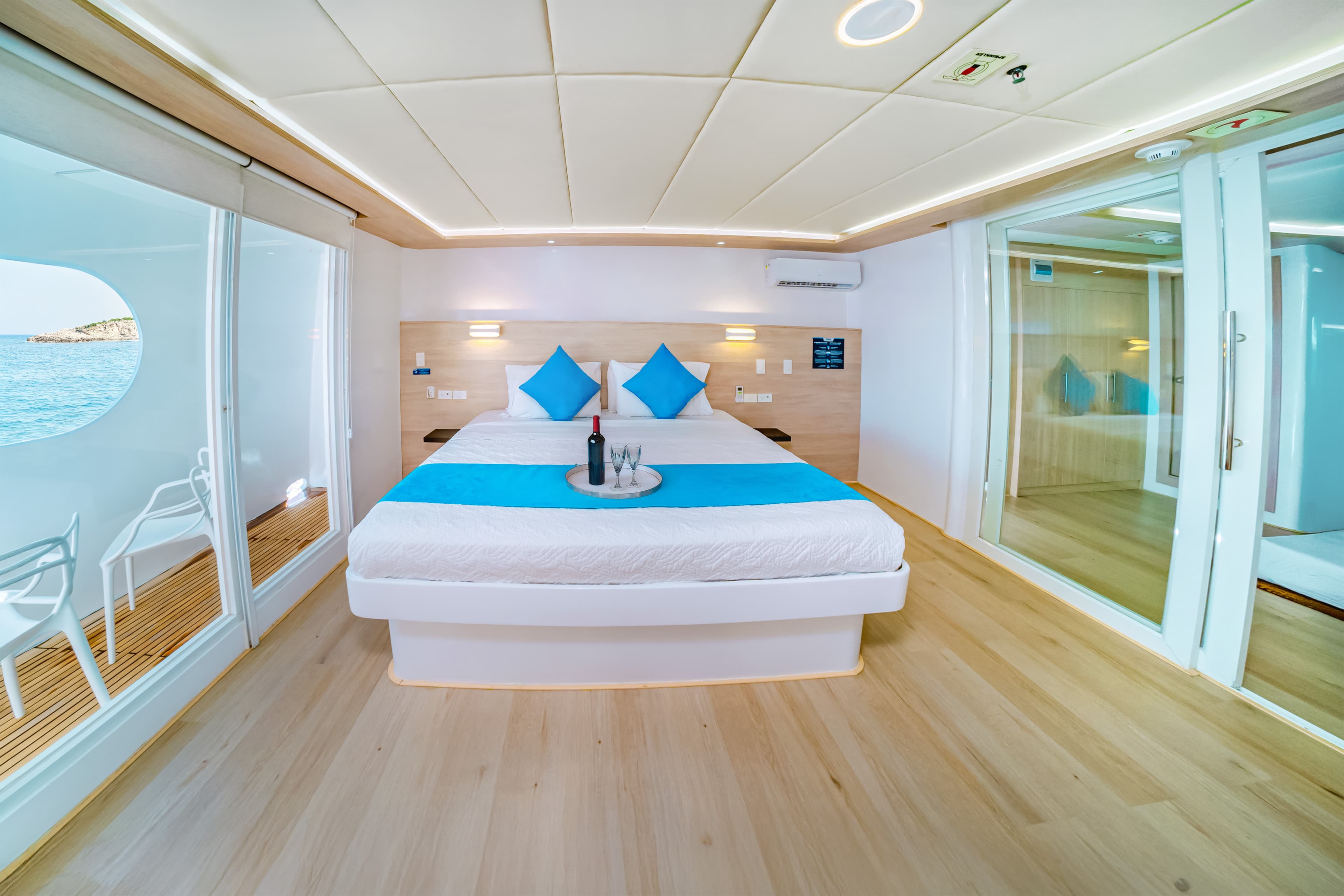
Master Suite
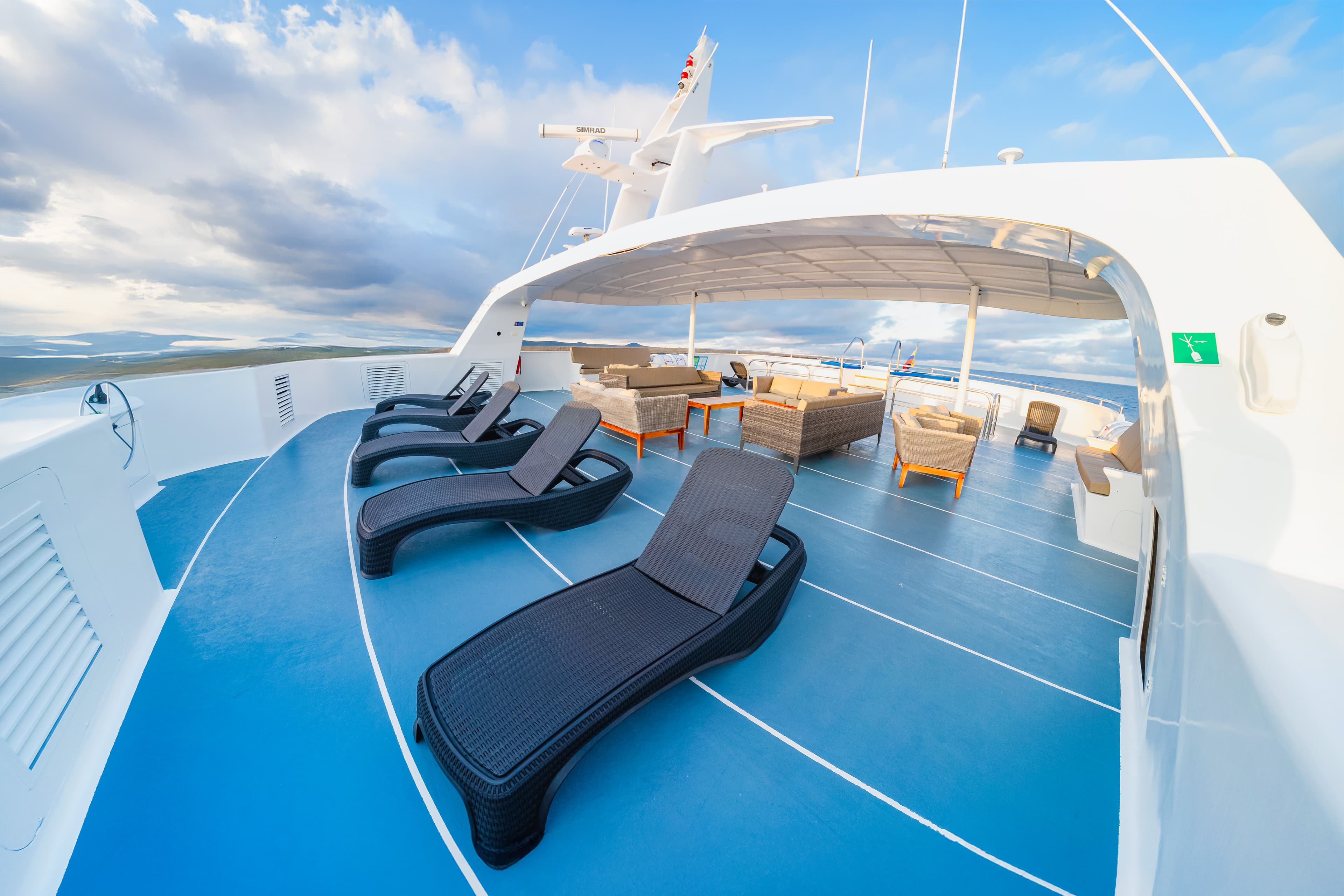
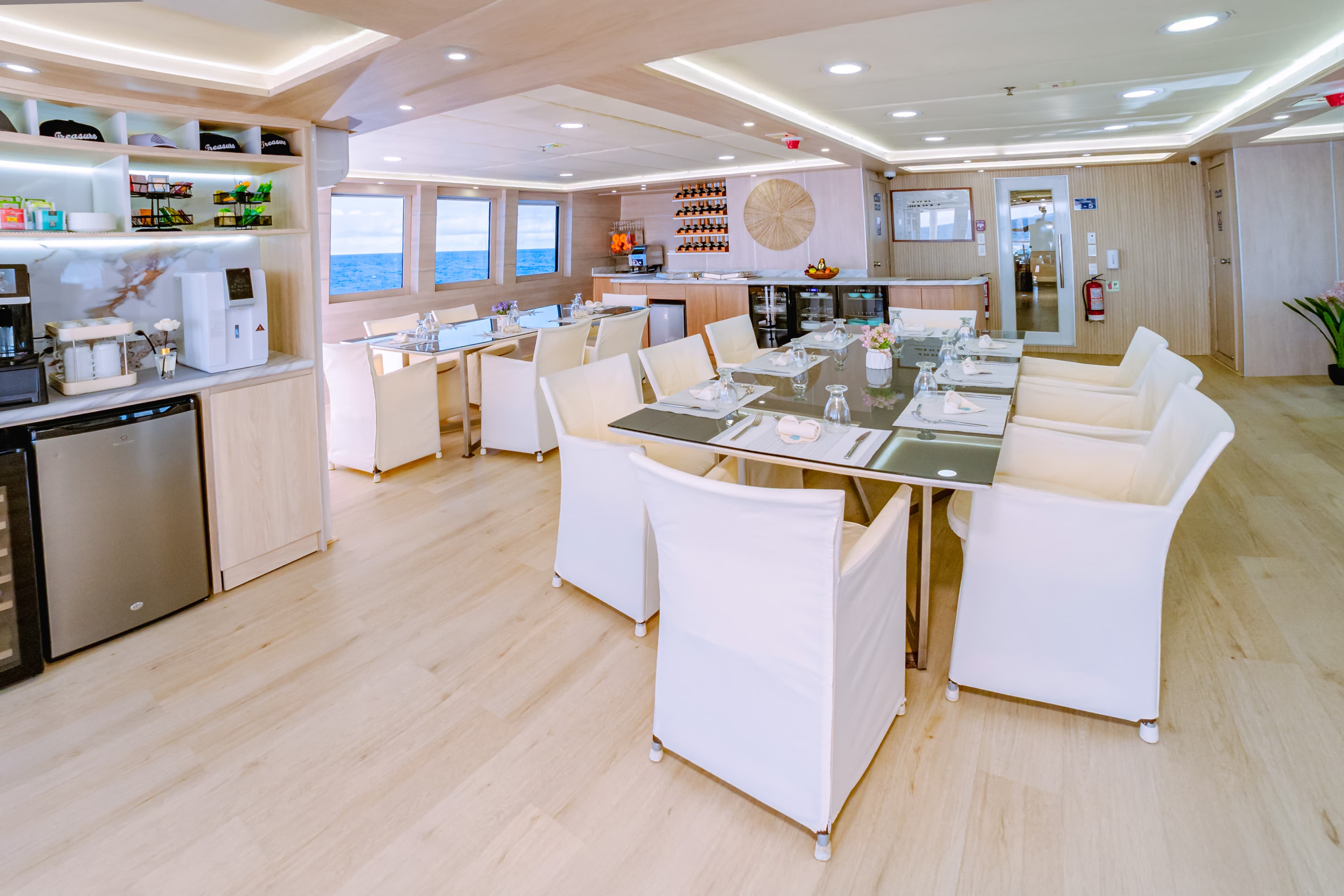
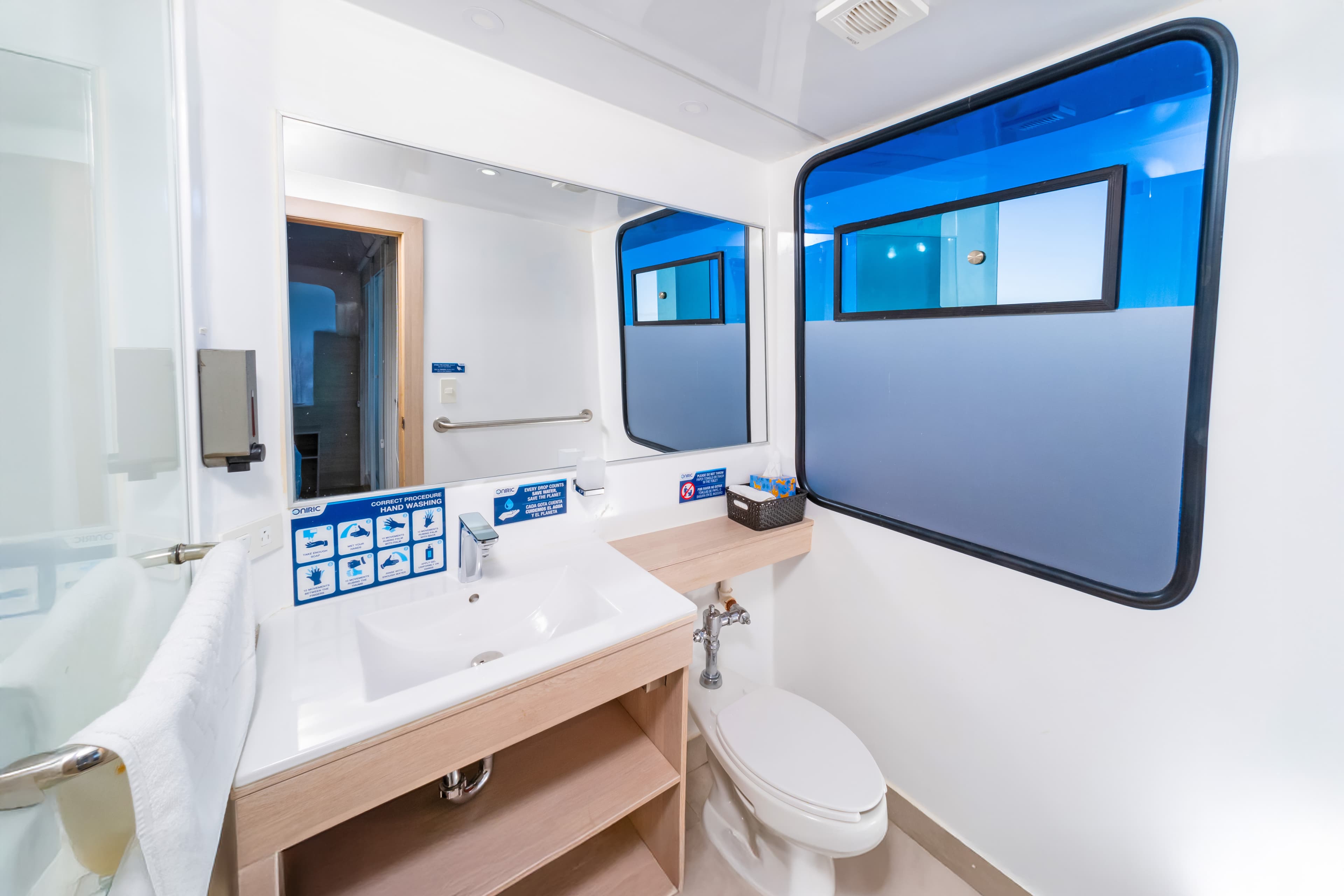
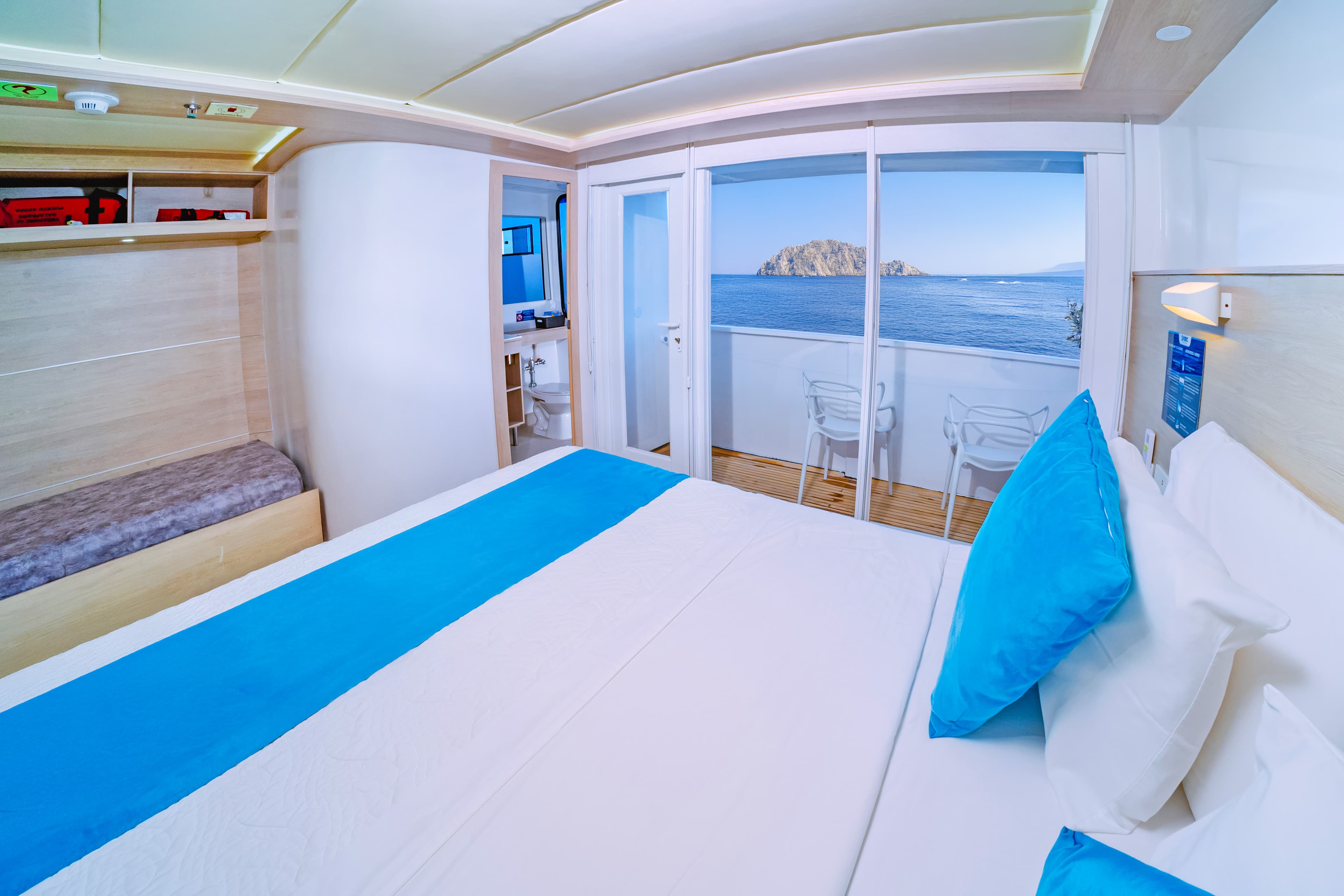
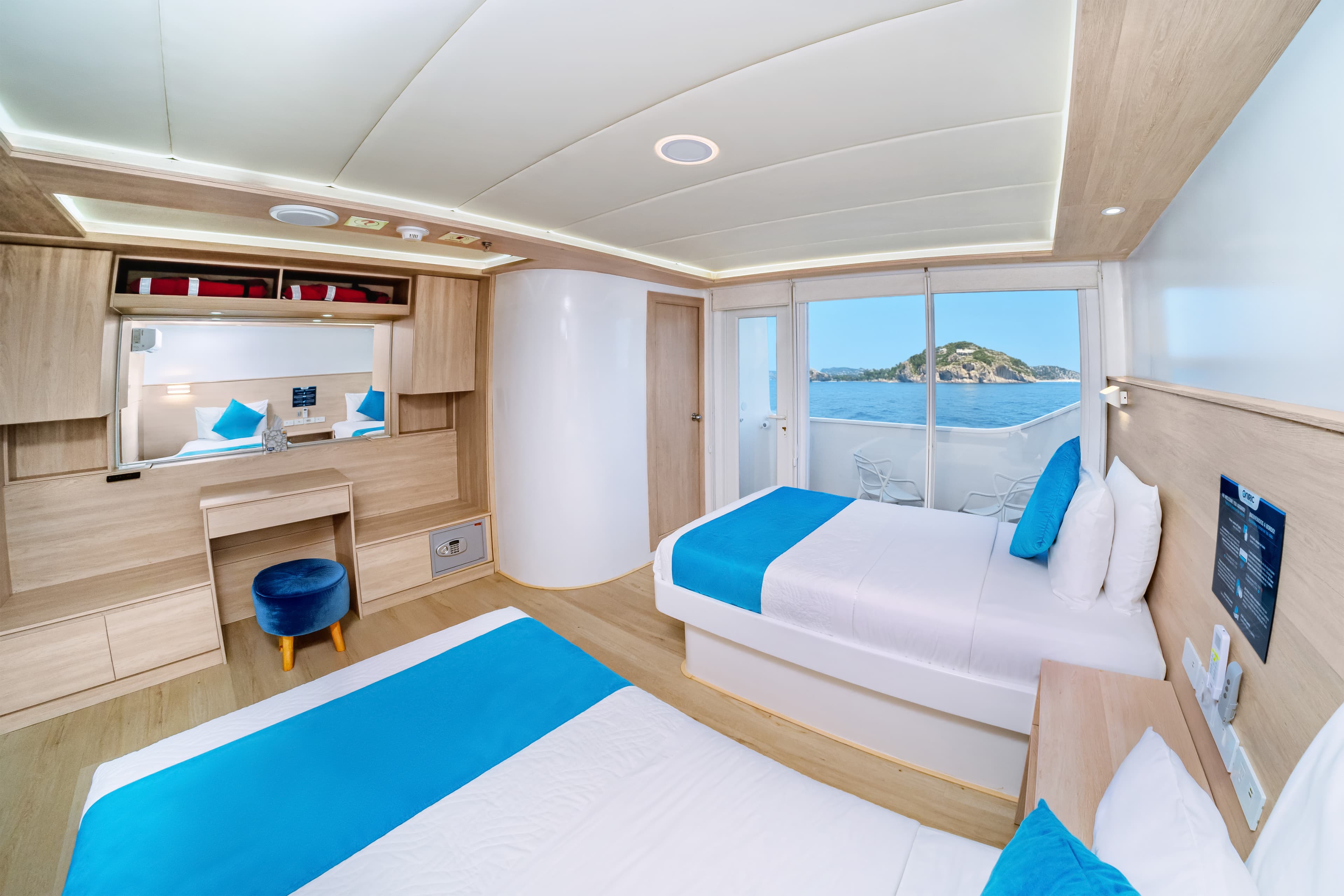
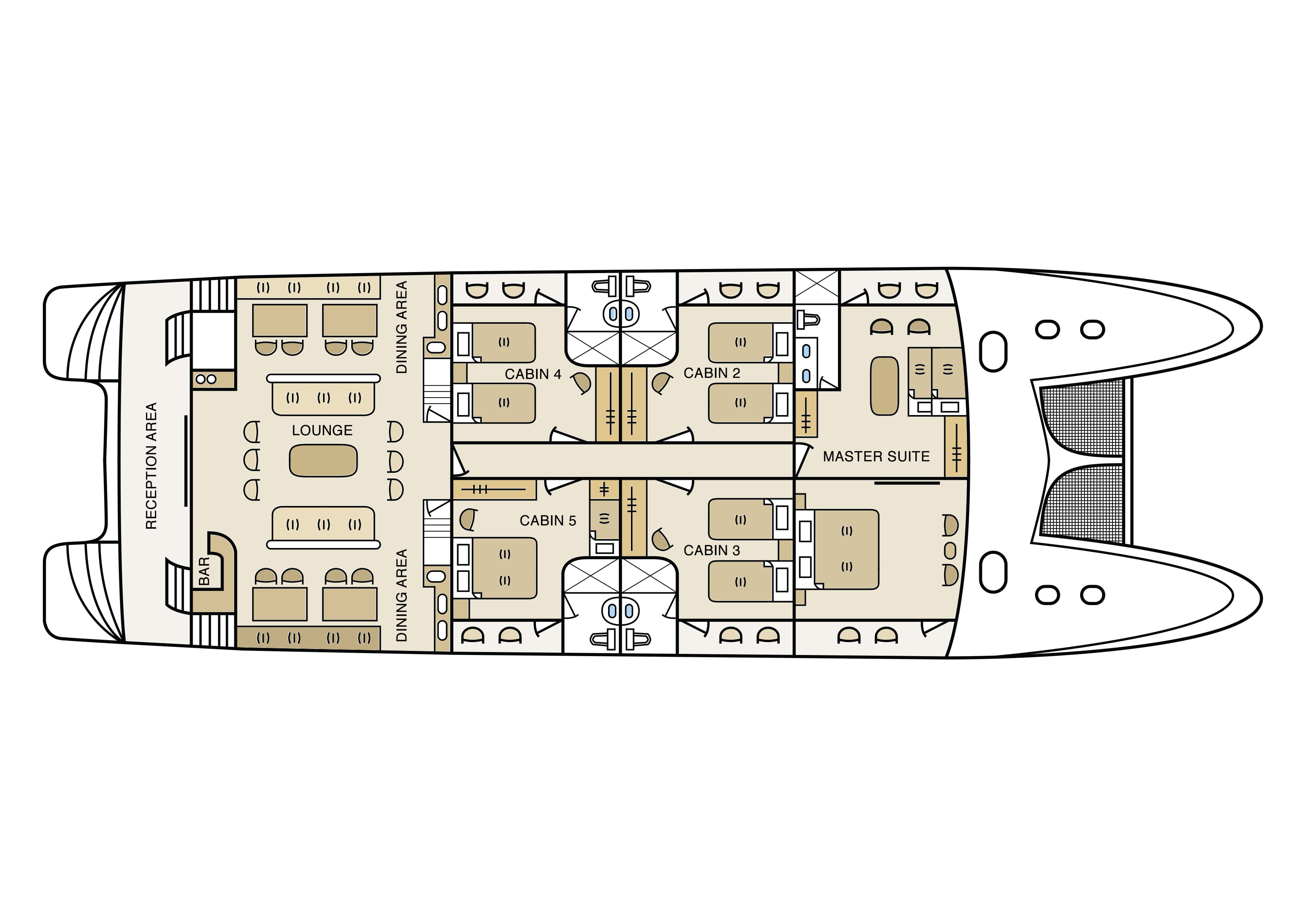
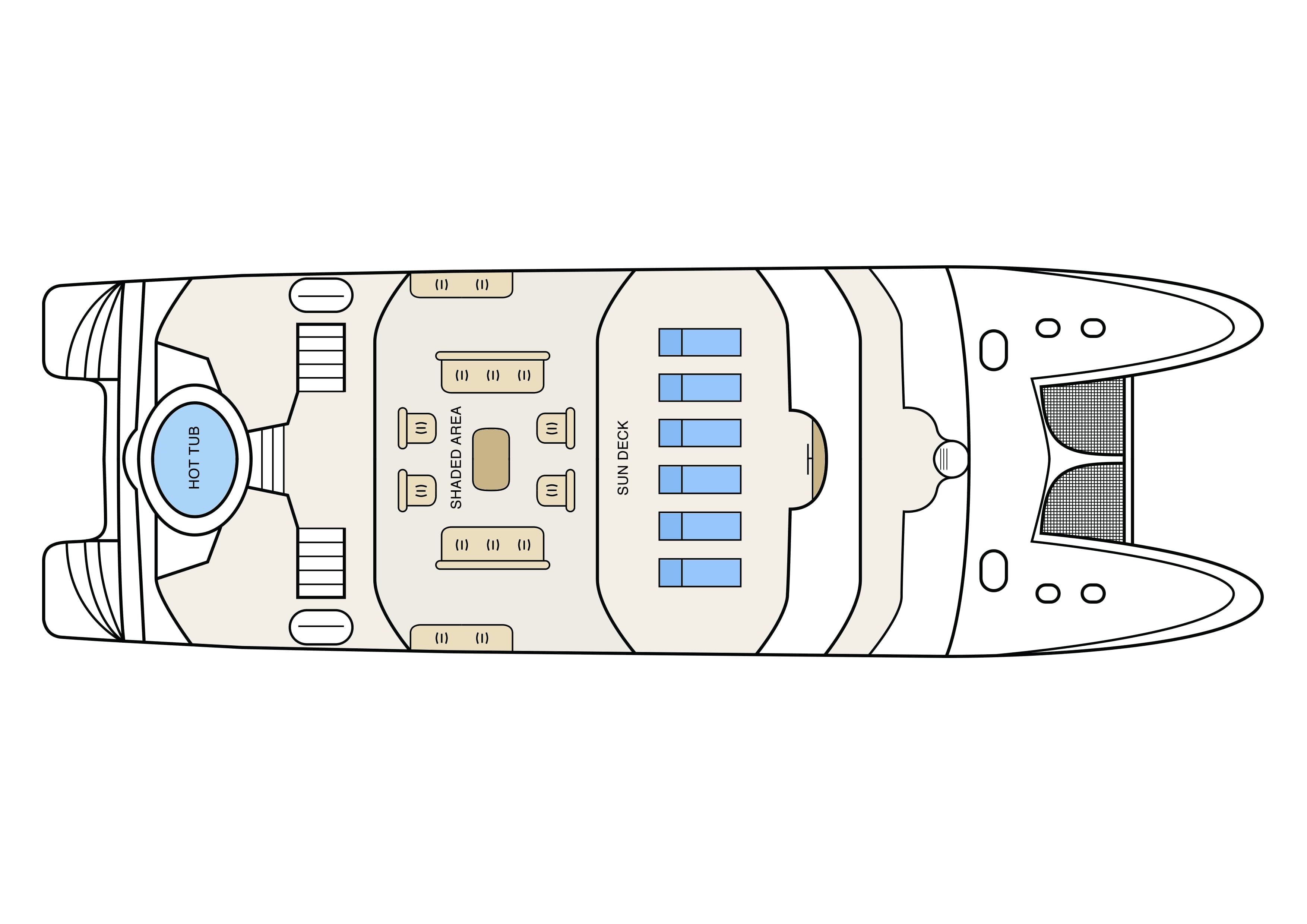
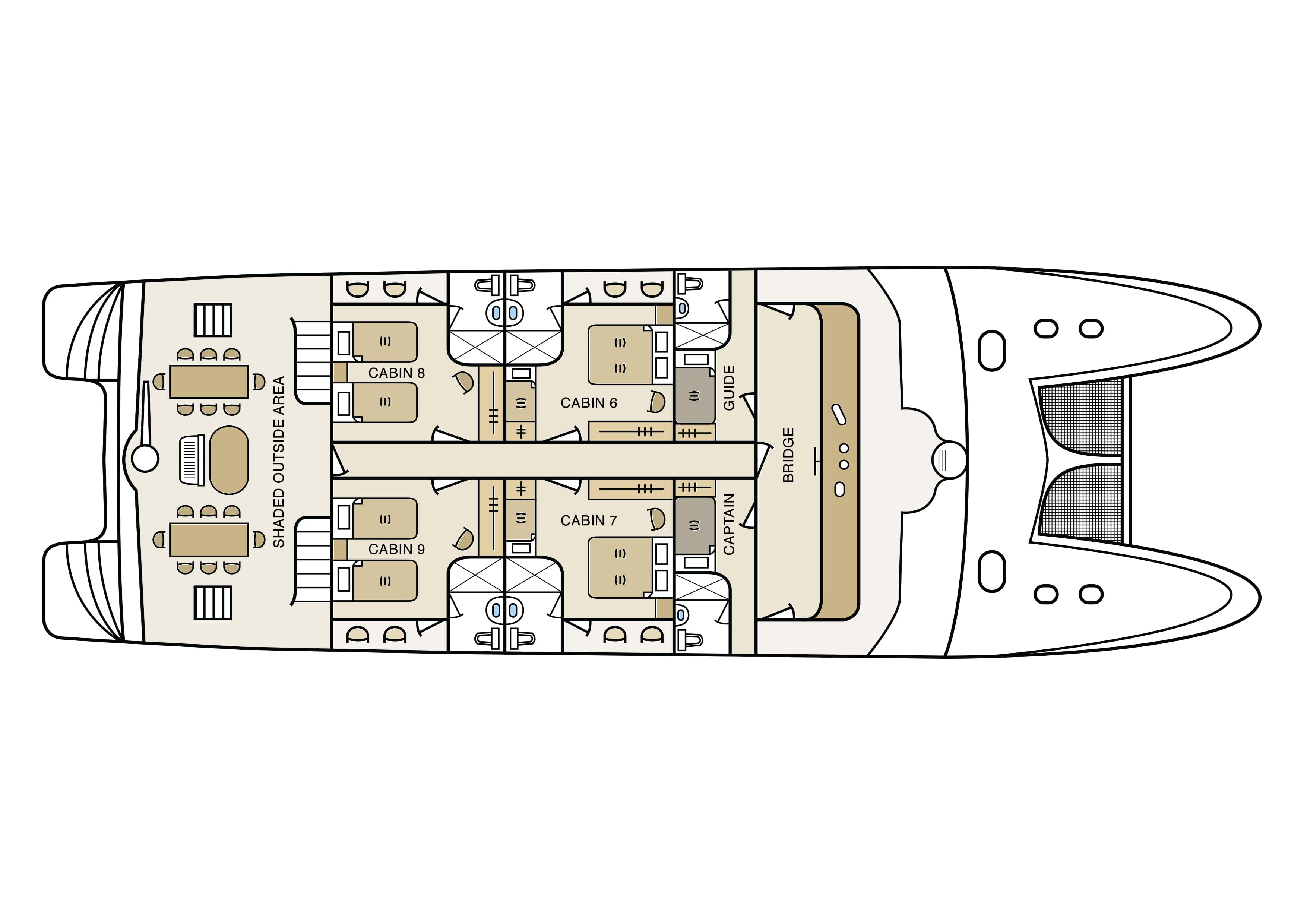
Public Areas
Public Areas
Public Areas
Doble (trp) Stateroom
Master Suite
May 16-22 · 7 days · 1 cabin left
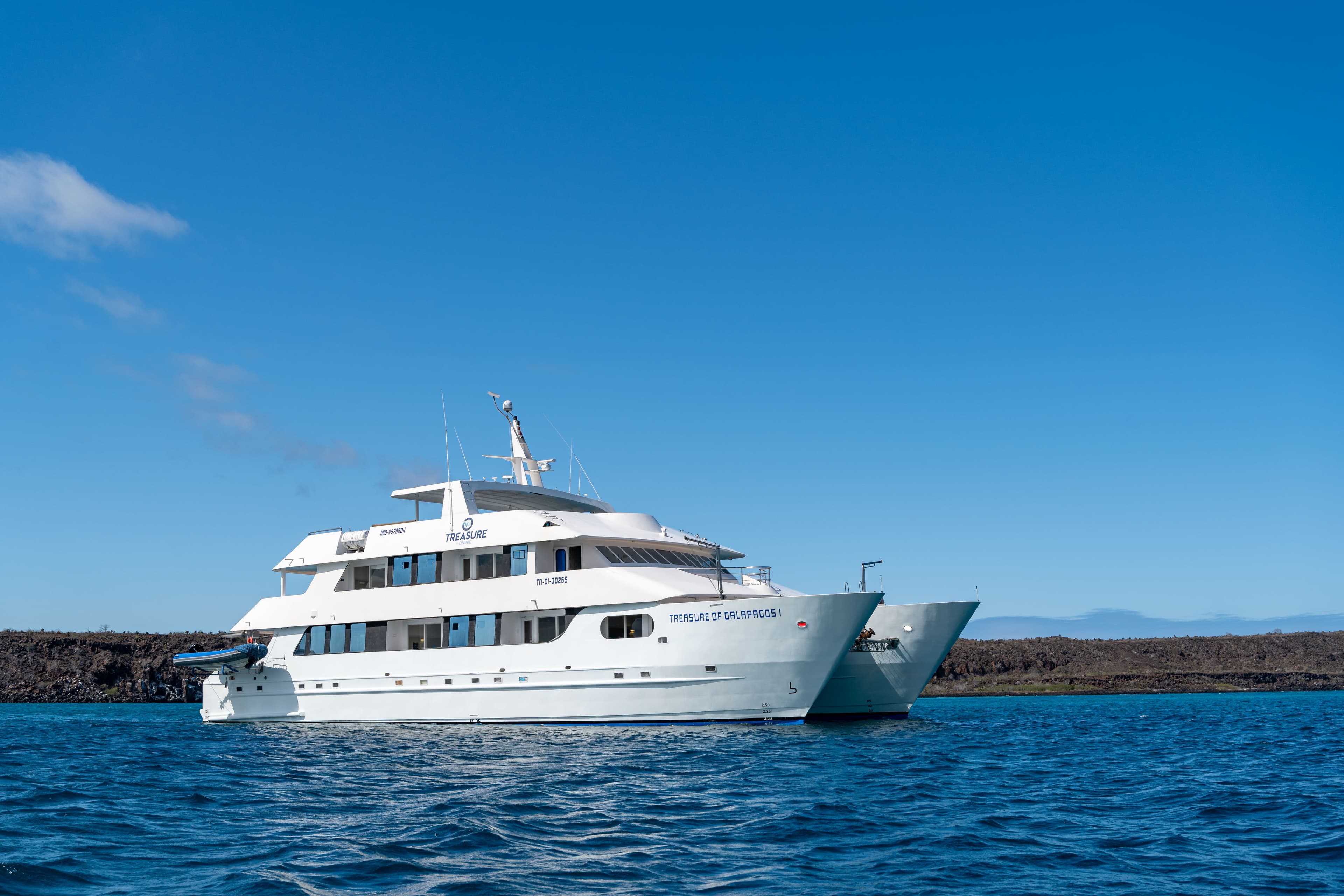
Motor Catamaran Treasure of Galapagos cruises around the great outdoors of the unparalleled archipelago of the Galapagos, where you will keep going from one surprise to the next! Each day we anchor at two carefully selected visitors’ sites and organise at least two excursions. Our balanced excursion programme (included in our cruise price!) is packed with activities to observe nature from different perspectives, as well as leisure time.
Availability shown is what the operator has on file for this departure.
From $4,956 per person
Want the cabin to yourself? Contact the operator about single occupancy.

Hot tub
Hot tub

Kayaks
Kayaks

Wi-Fi
Wi-Fi
Morning
Baltra Island Airport, Baltra
Today you fly to the magical Galapagos Islands! At the departures hall of the Quito airport, you must reach the Galapagos Government Council counter, to purchase the Transit Control Card ($20 per person, must be kept safe during the trip as it has to be presented again upon return). Then your luggage will be inspected to make sure that no foreign plants or animals are introduced on the islands. Next you will catch the flight to Baltra island, and upon landing there, authorities will collect the Galapagos National Park entrance fee ($200 per adult, $100 per child), unless it has been prepaid. A guide holding an Oniric Cruises sign will meet you, help you collect your luggage, and escort you on a short bus ride to the harbour, and board the Treasure cruise. After a warm welcome, cabins will be assigned and lunch served.
Afternoon
Santa Cruz Island, Darwin Station - Tortoise Centre, Santa Cruz
Your first excursion will take place on Santa Cruz Island. You will disembark to the Fausto Llerena Breeding Centre, where you can observe tortoises that come from various islands of the archipelago. They are part of a breeding programme intended to repopulate the areas where the number of tortoises has decreased due to human activity or predatory invasive species. One of the main attractions here is the embalmed Lonesome George tortoise. It hatched in 1910 and died in 2012, and with him, died an entire species (the Pinta Island giant tortoise). If it weren’t for the scientists that work here, more species would have gone extinct. Return on board. Return on board for a welcome toast and dinner.
Activities
Morning
Santa Cruz Island, El Eden Islet, Santa Cruz
This morning we will disembark to this appropriately named islet. On its coast you will observe land iguanas and sea lions soaking up the sun, as well as seabirds feeding in the nearby mangrove forests. It is a perfect location for swimming activities, as the clear and calm waters will allow you to snorkel along tropical fish, rays, and two species of sharks. Alternatively, a kayak ride would be a memorable experience.
Activities
Afternoon
Santa Cruz Island, Cerro Dragon, Santa Cruz
Dragon Hill boasts two key-species that are not too commonly distributed throughout the islands: Galapagos land iguanas and American flamingos. You will climb a hill with giant opuntia cacti where these the former feed and breed. This is a very photogenic spot as well, with breathtaking panoramas over the bay and towards an intriguing steep volcanic spout of red lava that overlooks the area. Dragon Hill has become popular because of its picturesque saline lagoons behind the beach, which contain minerals, algae and shrimp that attract seasonally foraging American flamingos and other seabirds.
Activities
Morning
Isabela Island, Tintorera, Isabela
Activities
Afternoon
Isabela Island, Wetlands, Isabela
Back on the coast, the road leads to the Flamingo Lagoon, an important spot for spotting the elegant flamingos. Afterwards, we will visit the local tortoise breeding centre, where you can see hundreds of giant Galapagos tortoises of all sizes. The hatchlings are not gigantic at all, even smaller than the size of your hand! This project was created to rescue the endangered populations of the two southernmost volcanoes of Isabela. We will finish the tour at the historic "Wall of Tears", a massive wall made of sharp lava chunks built by political prisoners during the 1950s.
Activities
Morning
Isabela Island, Punta Moreno, Isabela
During the night we navigated to the northwest coast of Isabela, where two huge volcanoes are found, the Sierra Negra and the Cerro Azul. In between these two is located our visit point, Punta Moreno. There, we will follow a trail that runs along a solidified black lava flow until we reach a complex of tidal lagoons, where sharks and marine turtles are often seen. Several species of birds can also be visible, including flamingos, which are found around the lakes and mangroves.
Activities
Afternoon
Isabela Island, Tagus Cove, Isabela
This afternoon’s visit starts with a dinghy ride along the island’s cliffs. This will provide you a good chance to spot the endemic Galapagos penguin, the only one of its species to live in the tropics. From the landing dock, it’s a 30-minute hike along the trail to the top of the cliff, from where you can observe the iconic Darwin Lake (pictured). Look carefully at all the graffiti on the surrounding rocks, they were written by pirates, whalers and buccaneers in past centuries. Back at the coast, you could pick a kayak to explore these paradisiacal coastal environment.
Activities
Morning
Fernandina Island, Punta Espinoza, Fernandina
After breakfast you will disembark to Fernandina, the Galapagos’ westernmost and youngest island (less than one million years old). It is so remote and pristine that has only 1 visitor site, Espinoza Point, where you will find some of the most bizarre animal species, products of natural selection. Among them is the flightless cormorant, a bird which had to adjust its way of survival after arriving at the Galapagos Islands and being isolated here for thousands of years. It had to learn how to find food in the ocean, so its wings slowly lost the ability to fly and now work as fins. You are witnessing evolution! The endemic marine iguanas can also be found conglomerated in the thousands, one over another to maintain their body heat, when they are not swimming near the shore or blocking your way at the landing dock.
Activities
Afternoon
Isabela, Punta Vicente Roca, Isabela
During lunchtime onboard we navigated across the Bolivar Channel for a final visit to Isabela island. While entering a dark cave below a spectacular arch, you will be accompanied by the roaring echoes of the waves crashing the surrounding cliffs. Just around the corner, the collapsed amphitheatre of the Ecuador volcano offers an impressive view. The calmer waters of the coves are well-protected against the ocean swell and are a fairly cold, but a great place for snorkelling amongst various species of shark, penguins, puffer fish and even seahorses and the giant mola-mola!
Activities
Morning
Santiago Island, Puerto Egas, Santiago
Puerto Egas is a beach located on the west side of Santiago Island. Volcanic tuff deposits have favoured the formation of this special black sand beach. The site is called Puerto Egas because at the beginning of the previous century, there was an attempt by a man named Hector Egas to extract the salt of the lagoons. The enterprise failed but it left traces of the infrastructure amidst the island’s wilderness. During a walk along the beach you can observe many species of waders and sanderlings. Among the rocks, red crabs are waiting to play hide and seek while you try to get the perfect picture. If you are lucky, you may even find yellow-crowned night herons or even a red-footed booby.
Activities
Afternoon
Rabida
Morning
Santa Cruz Island, Bachas Beach, Santa Cruz
Your last visit is to Bachas. Two conjunct beaches, with soft white sand that makes it a favourite nesting site for sea turtles. There is a small brackish water lagoon behind the first beach, where occasionally it is possible to observe flamingos and other coastal birds, such as black-necked stilts and whimbrels. The second beach is longer, and it has two old barges that were abandoned during the Second W orld War, when the USA used this Island as a strategic point to protect the Panama Channel.
Activities
Afternoon
Baltra Island Airport, Baltra
As of confirmation / 151 days prior to departure -No fee 150 – 91 days prior to departure -No fee 90 – 61 days prior to departure -20% Penalty fee 60 days or less prior to departure -100% Penalty fee
No payment required • Free cancellation