Loading departure…
Loading departure…
Loading departure…
Loading departure…
Loading departure…
Loading departure…
Loading departure…
Loading departure…
Loading departure…
Loading departure…
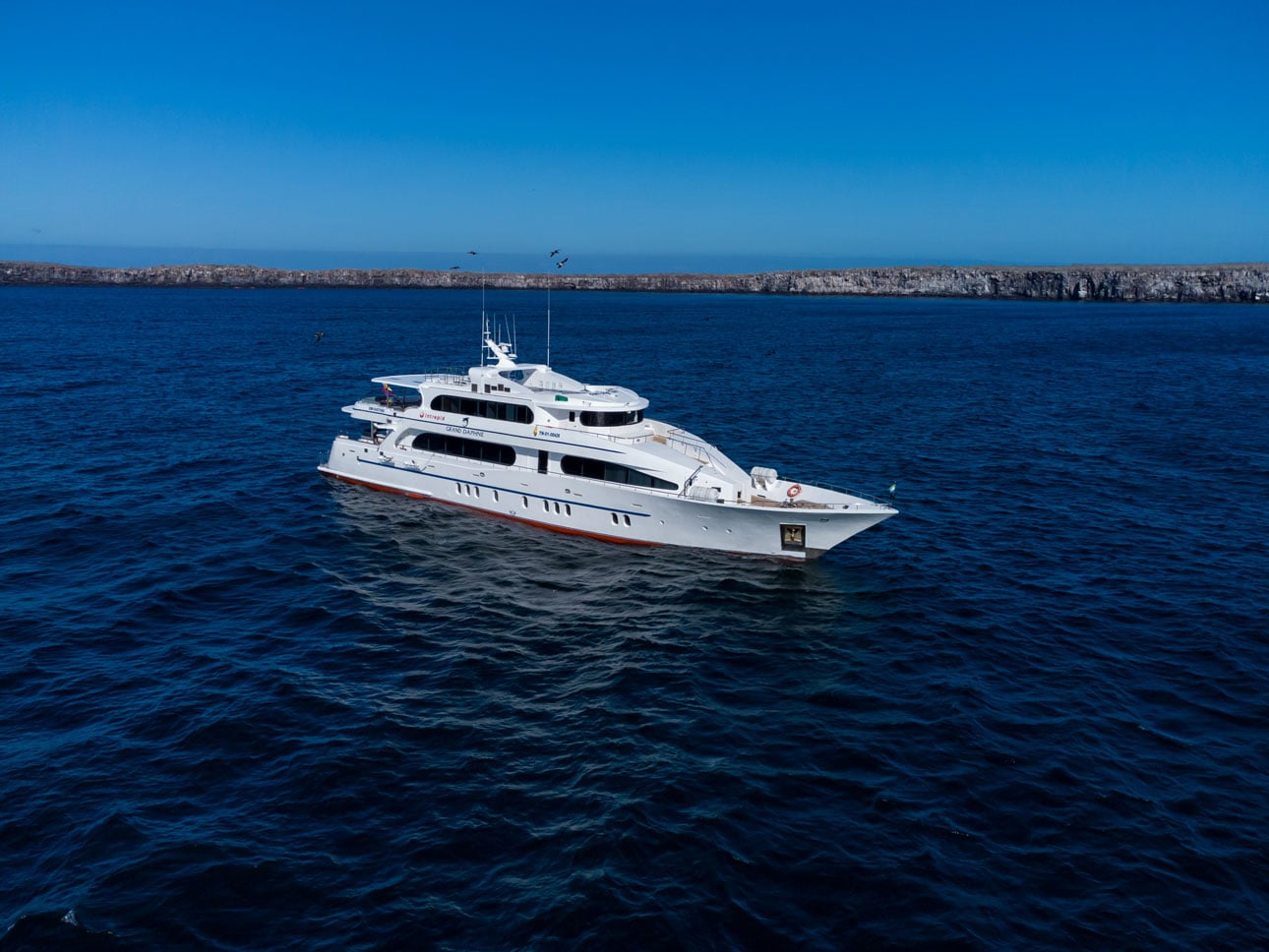
Public Areas
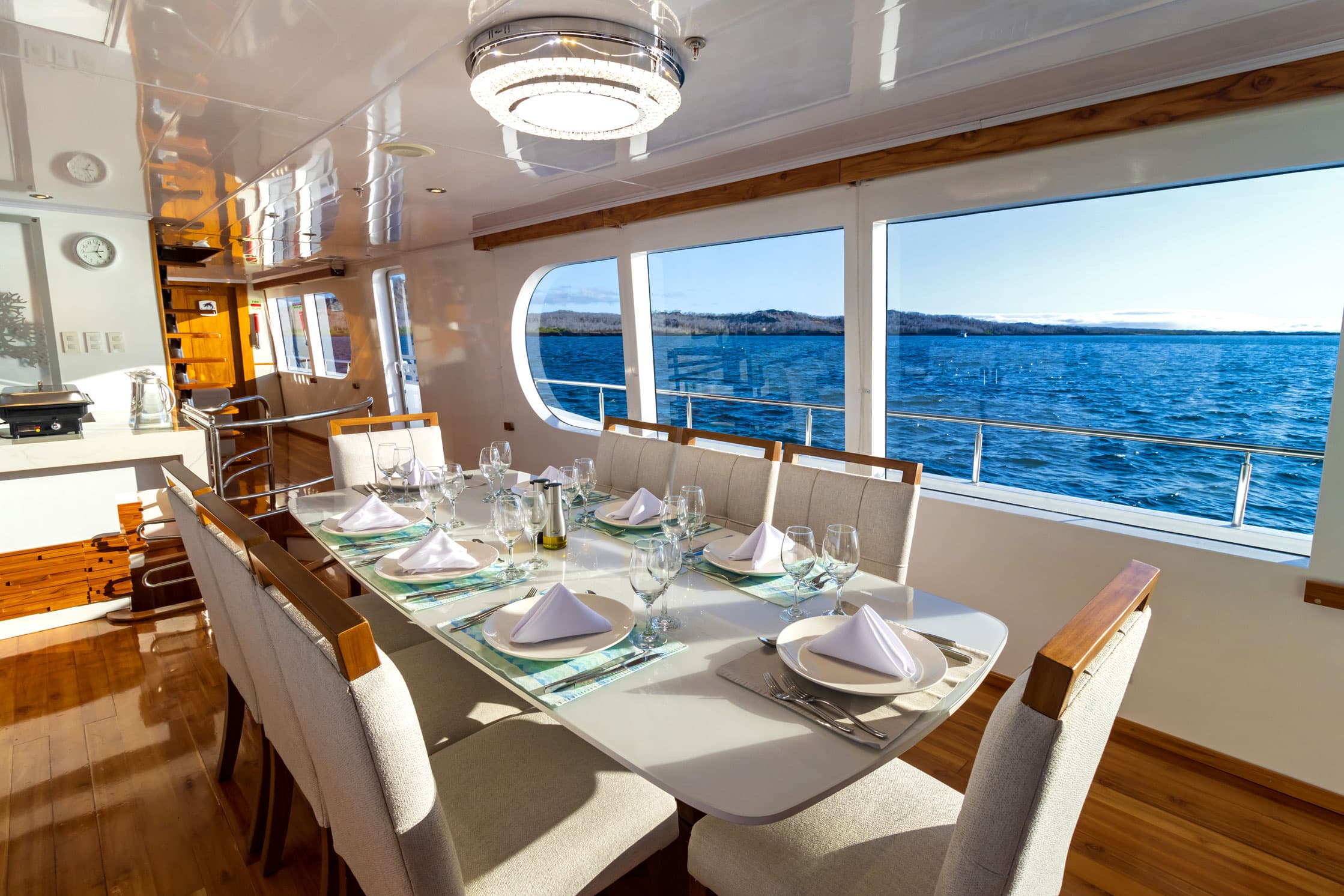
Public Areas
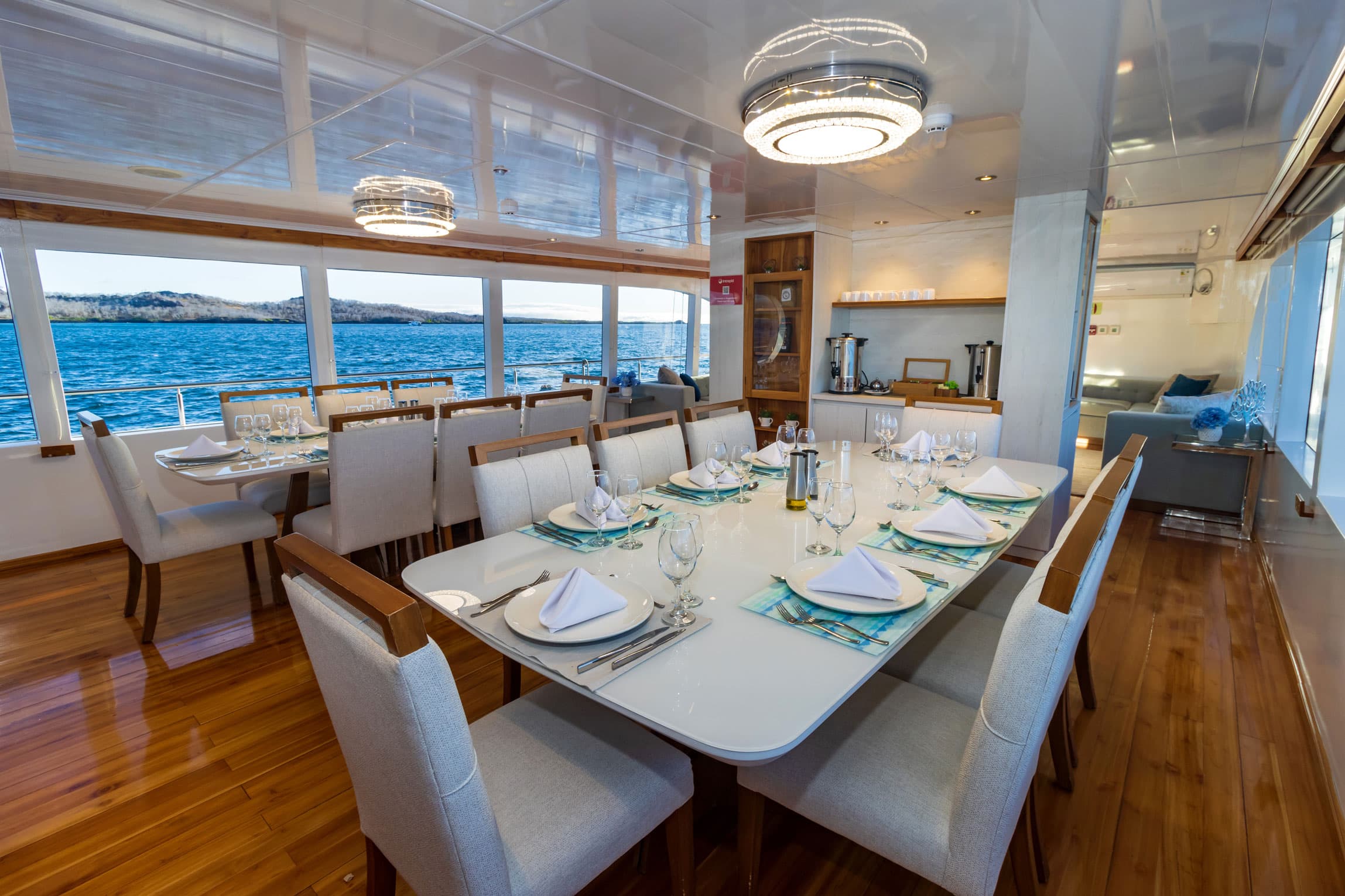
Public Areas
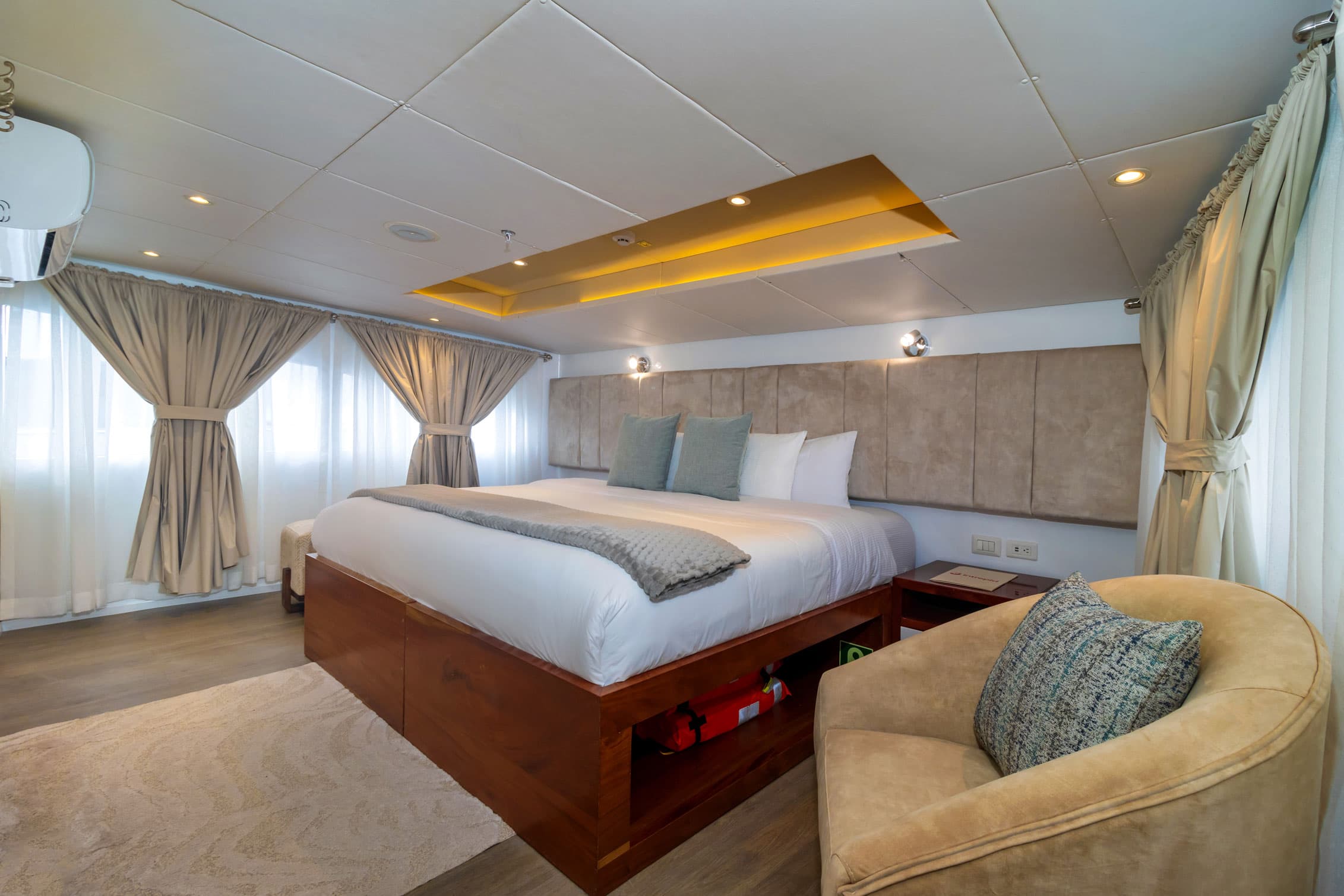
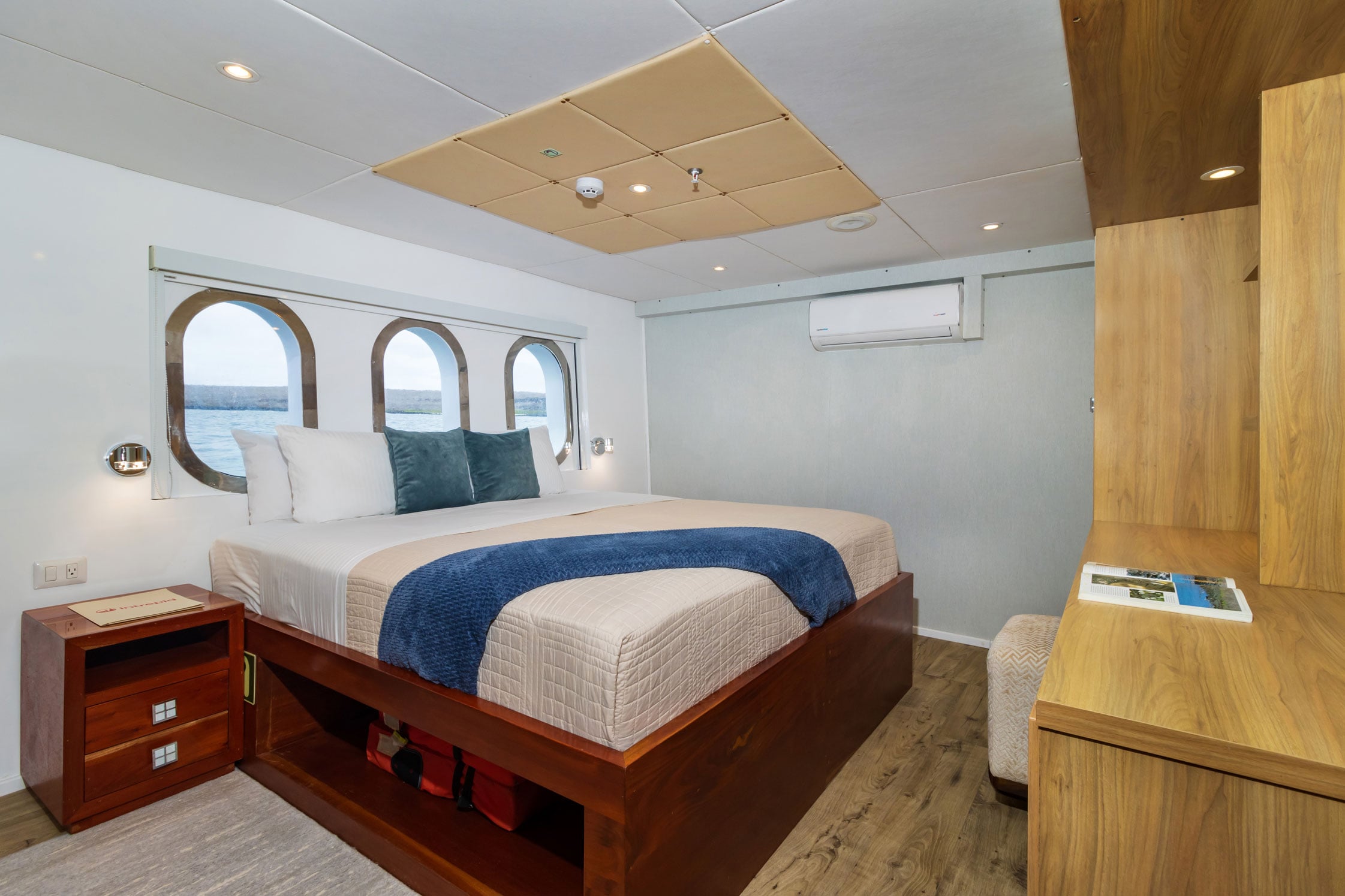
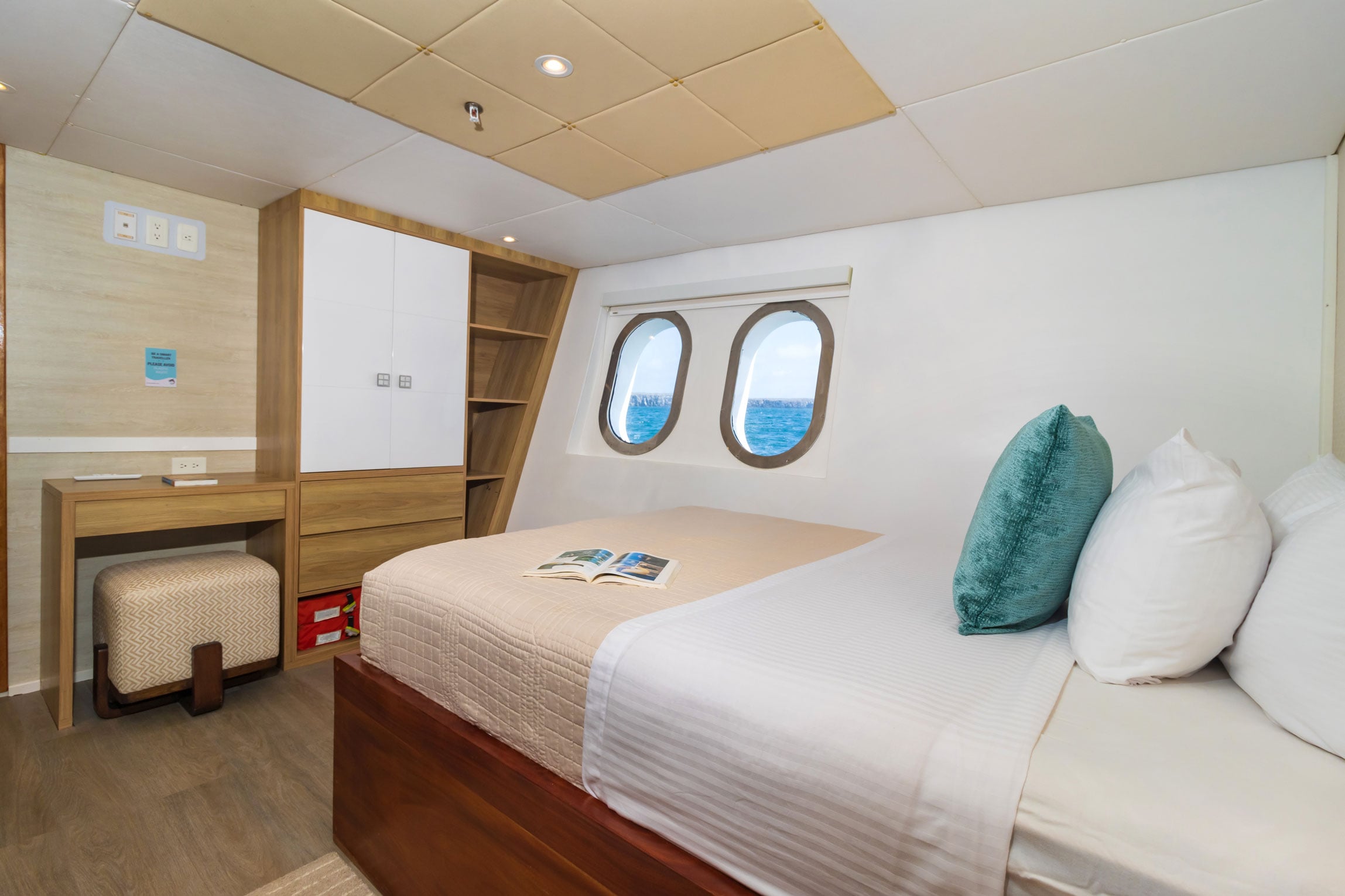
Main deck suite
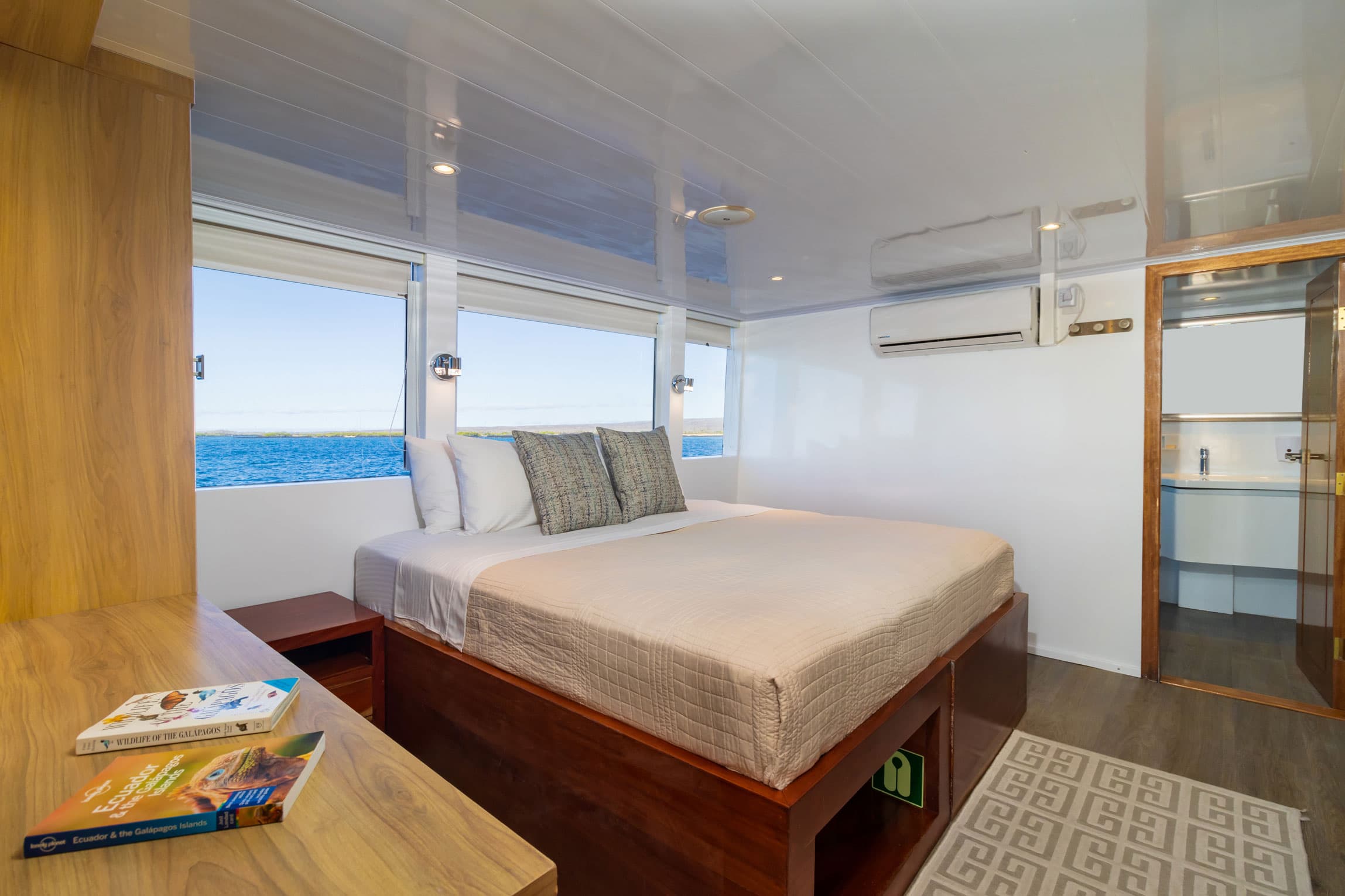
Upper deck king/2 twins
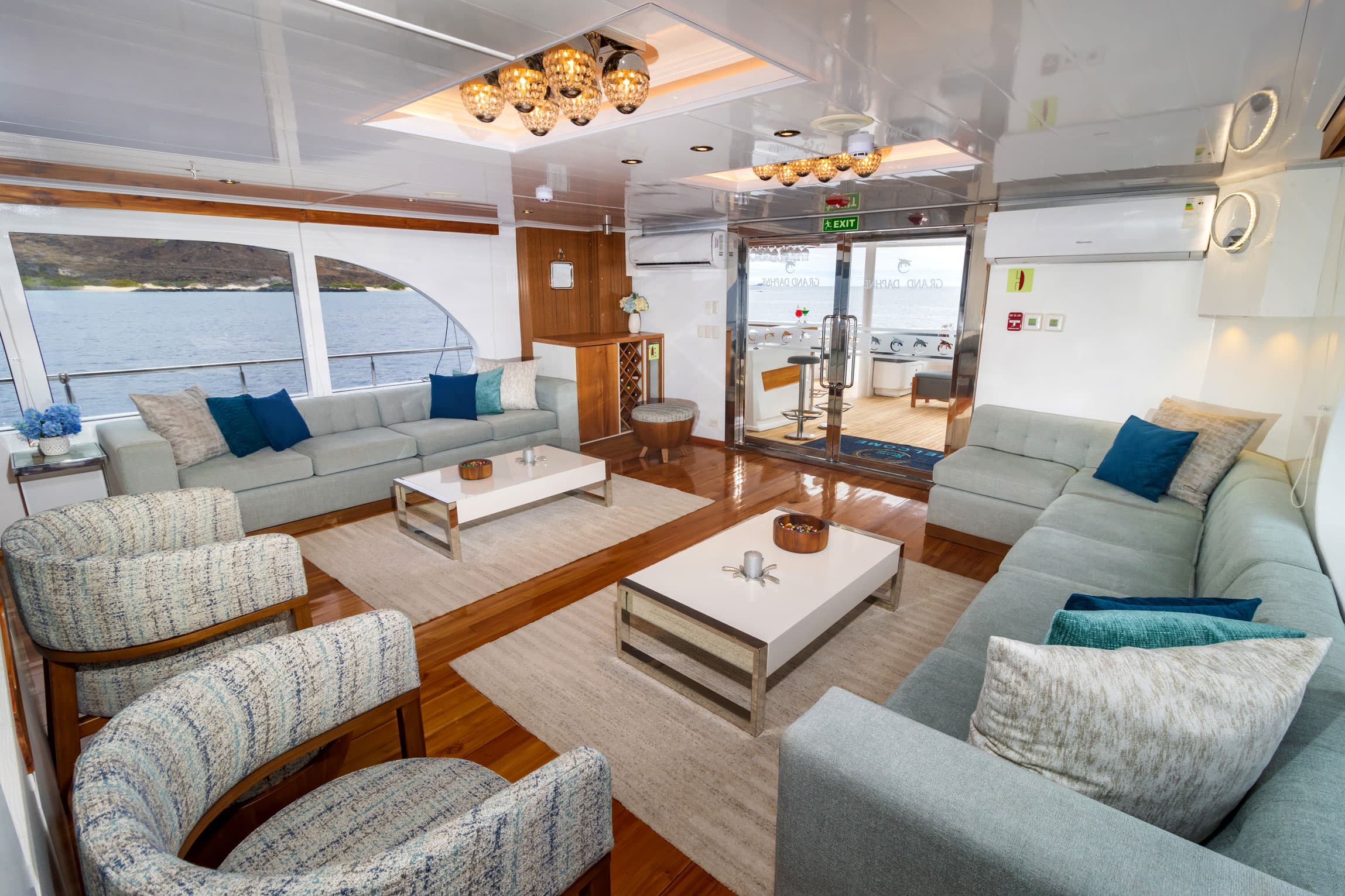
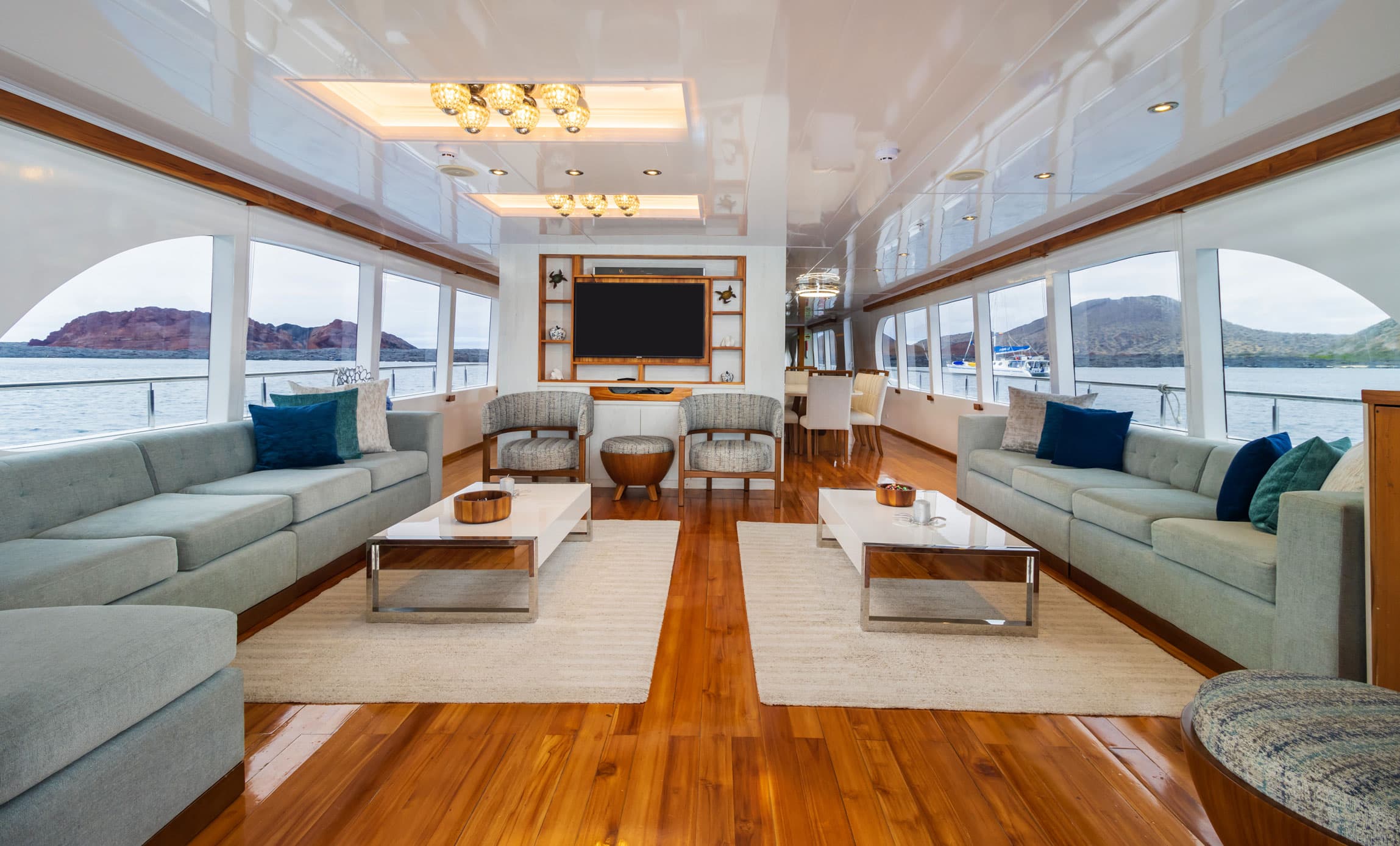
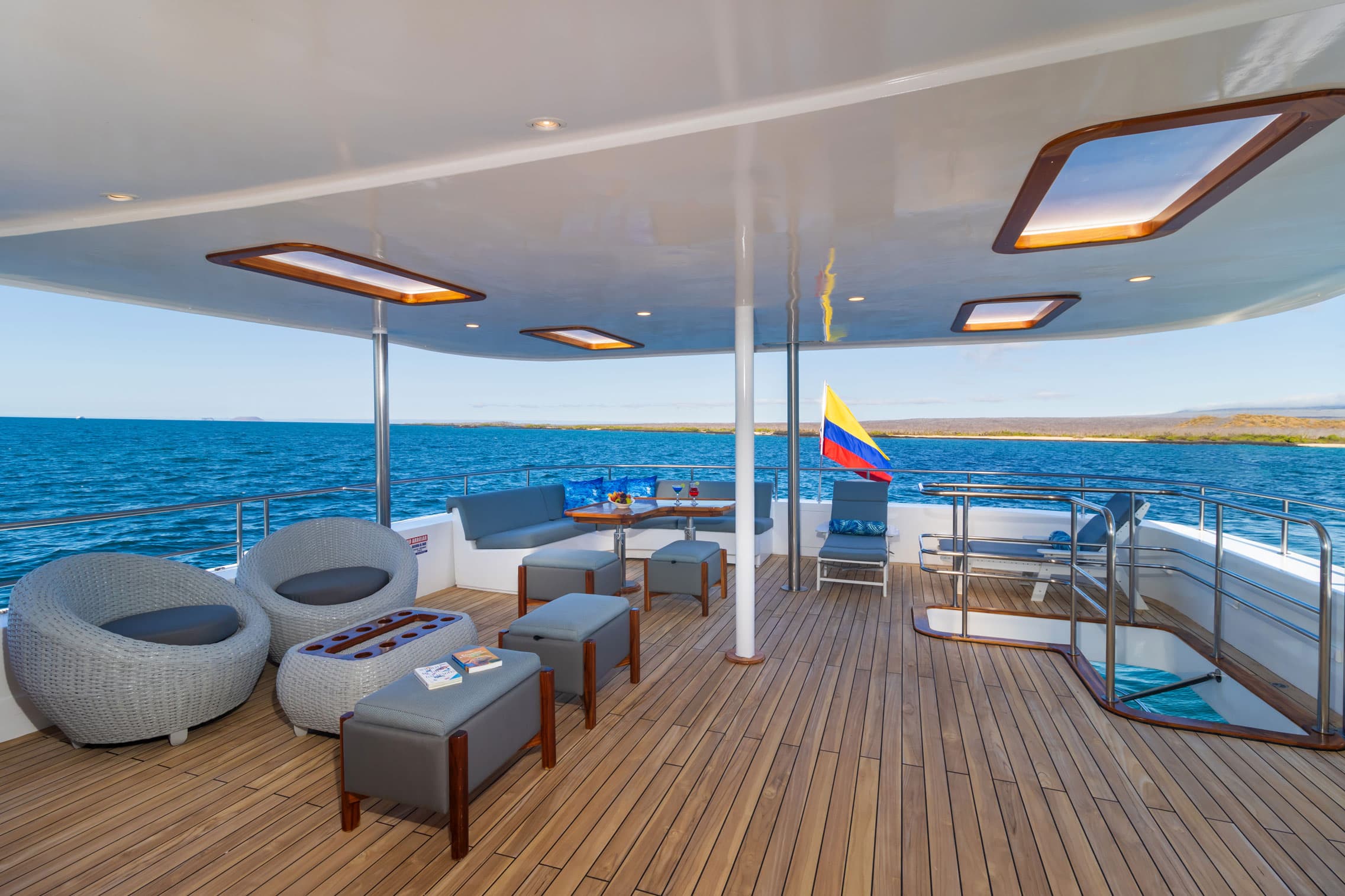
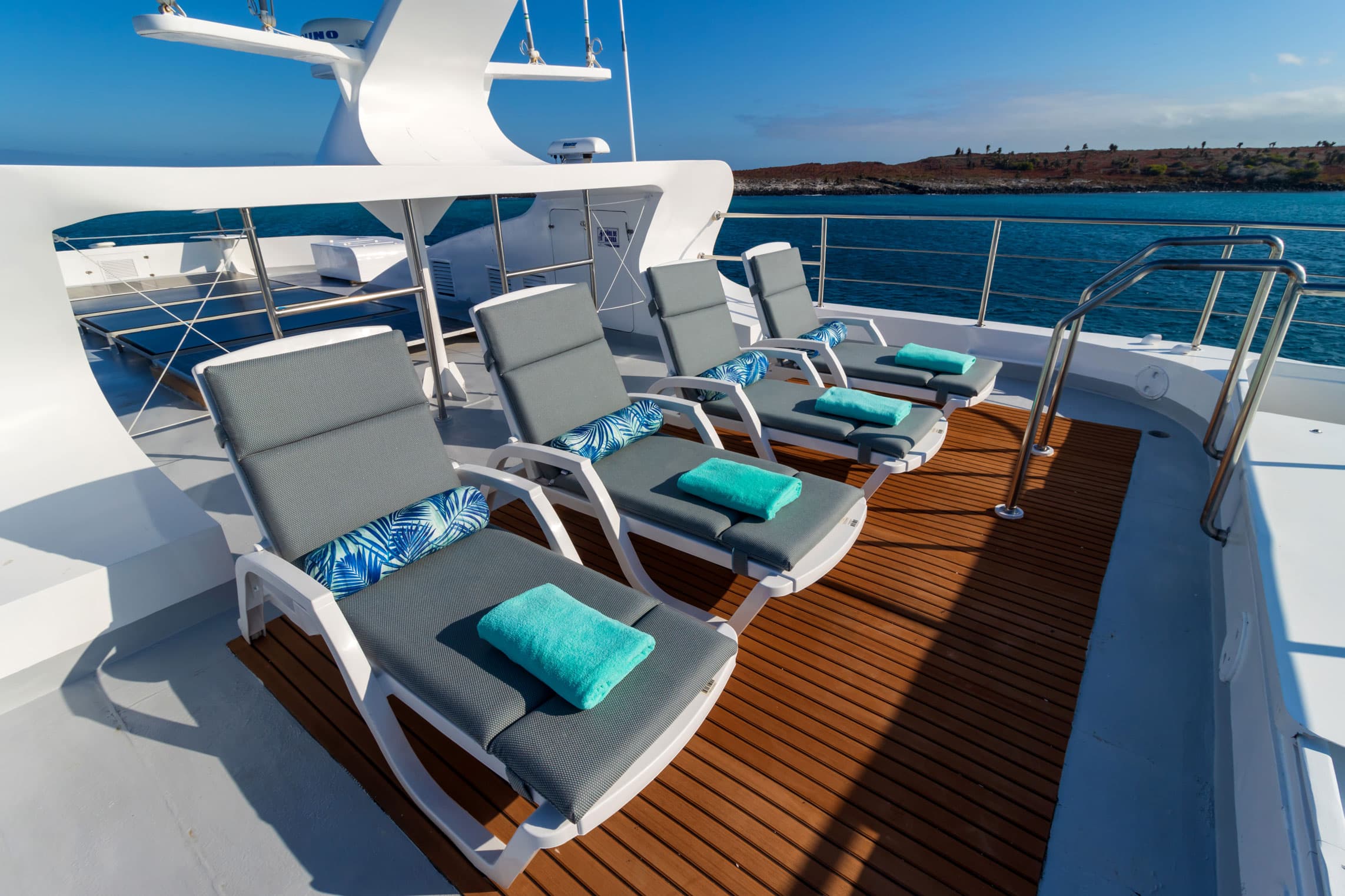
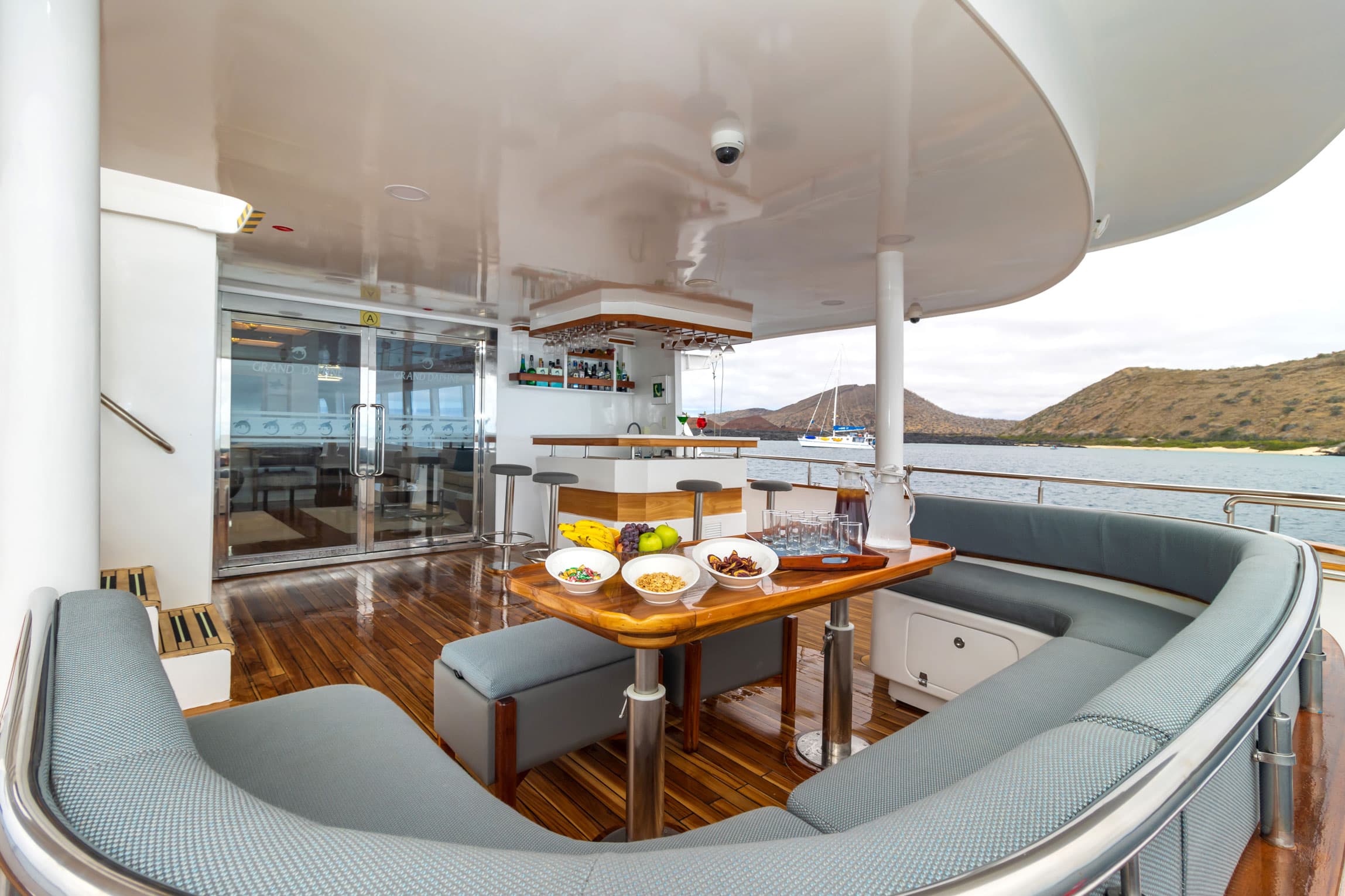
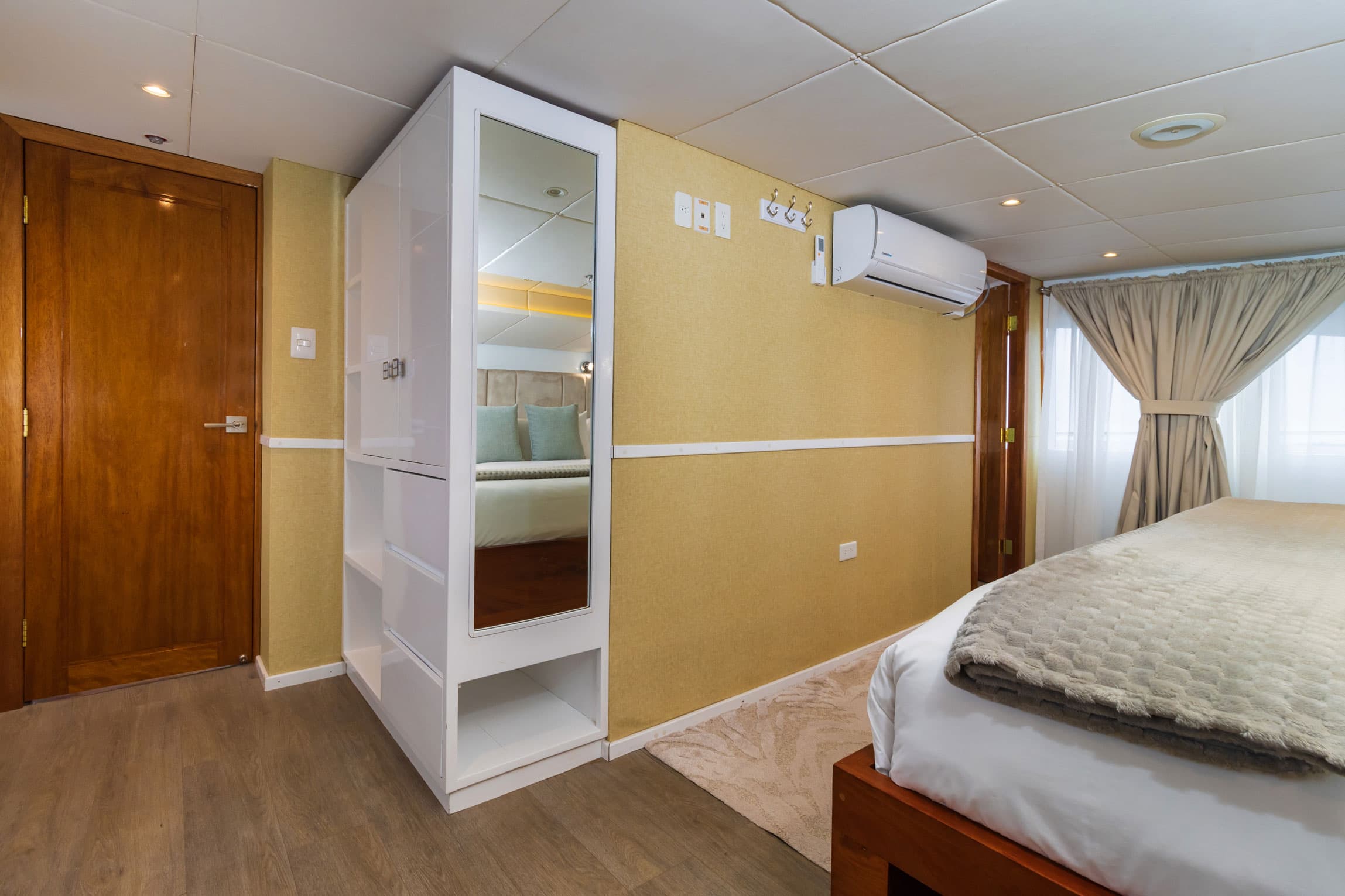
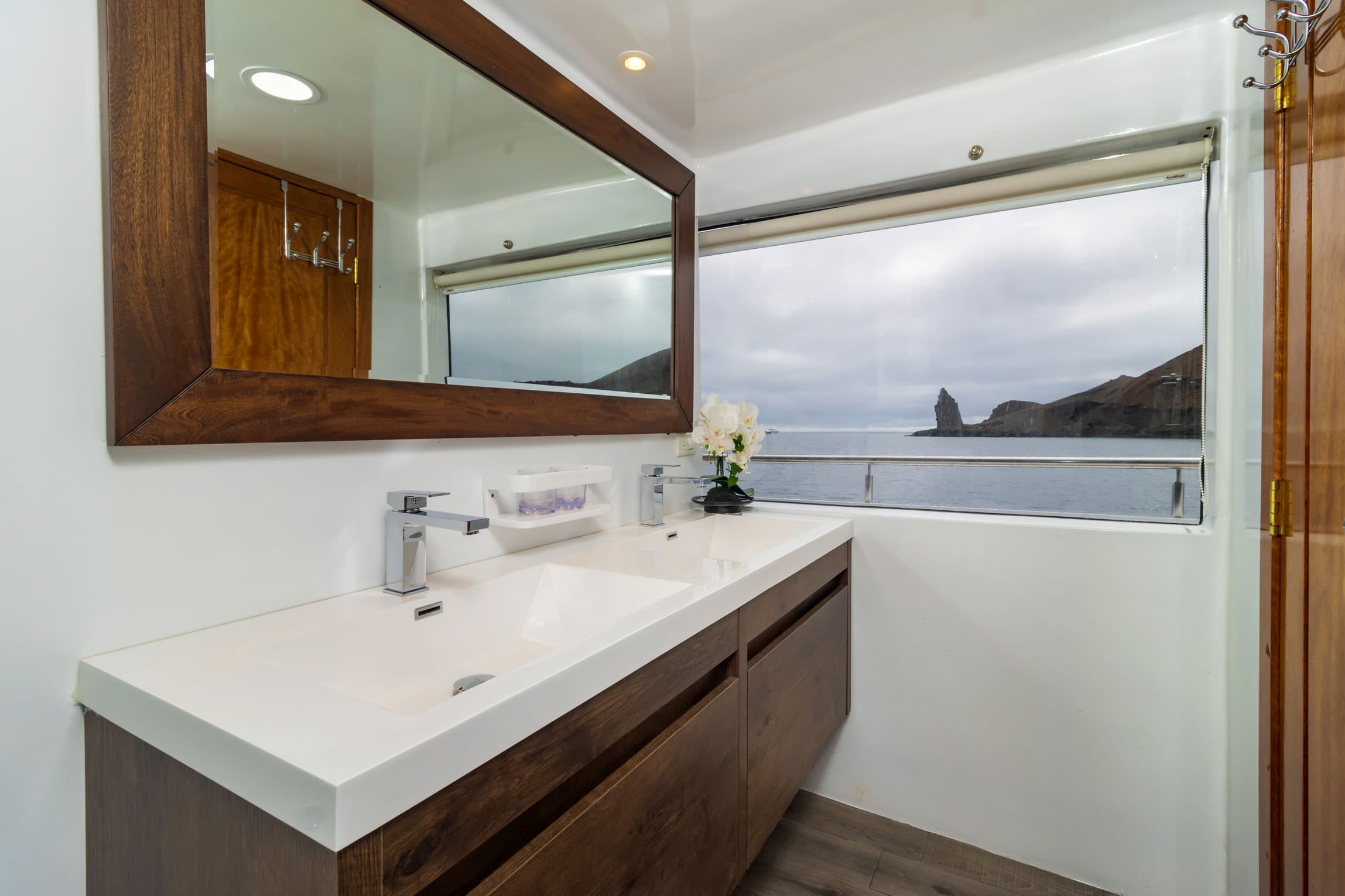
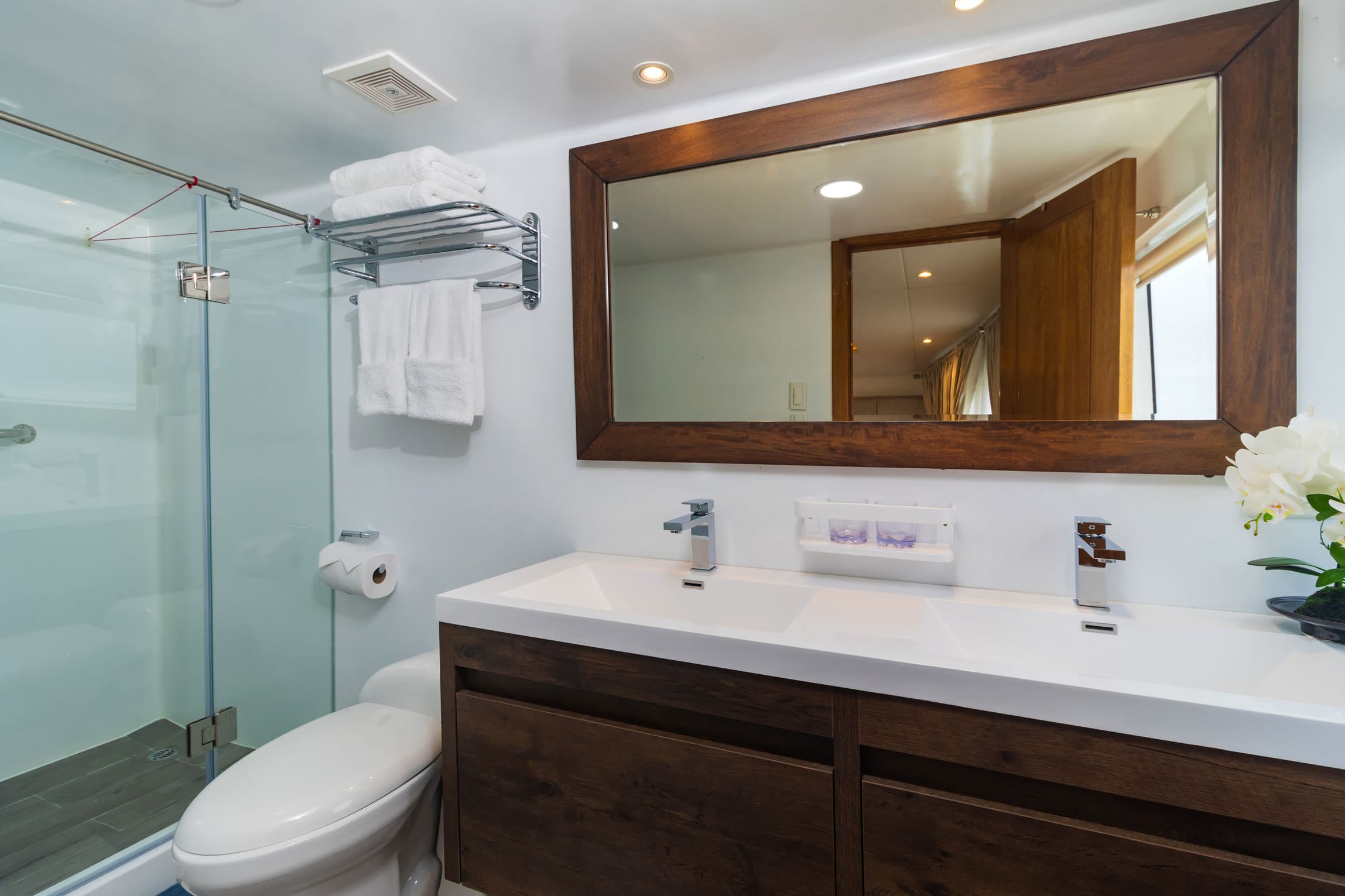
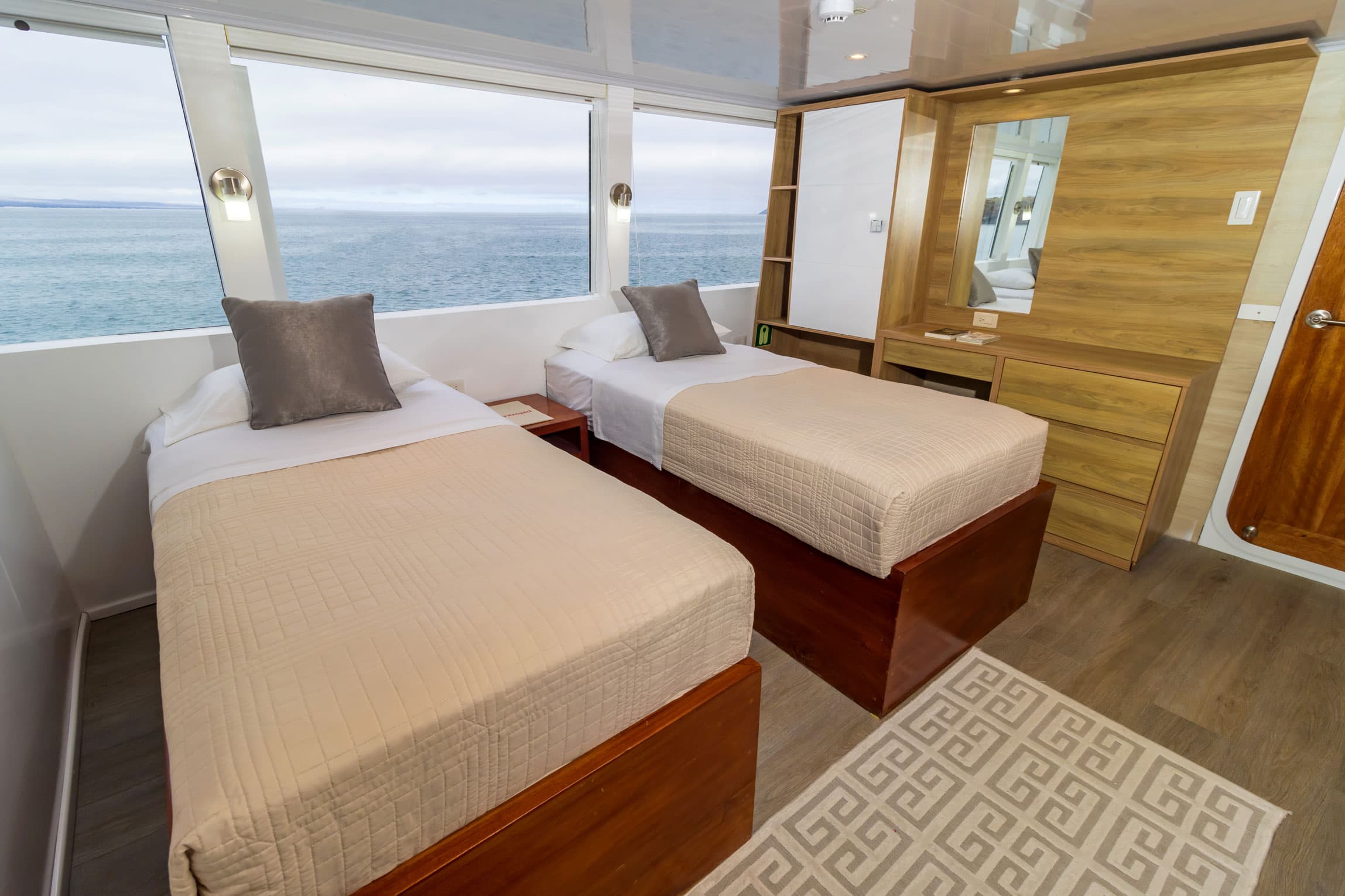
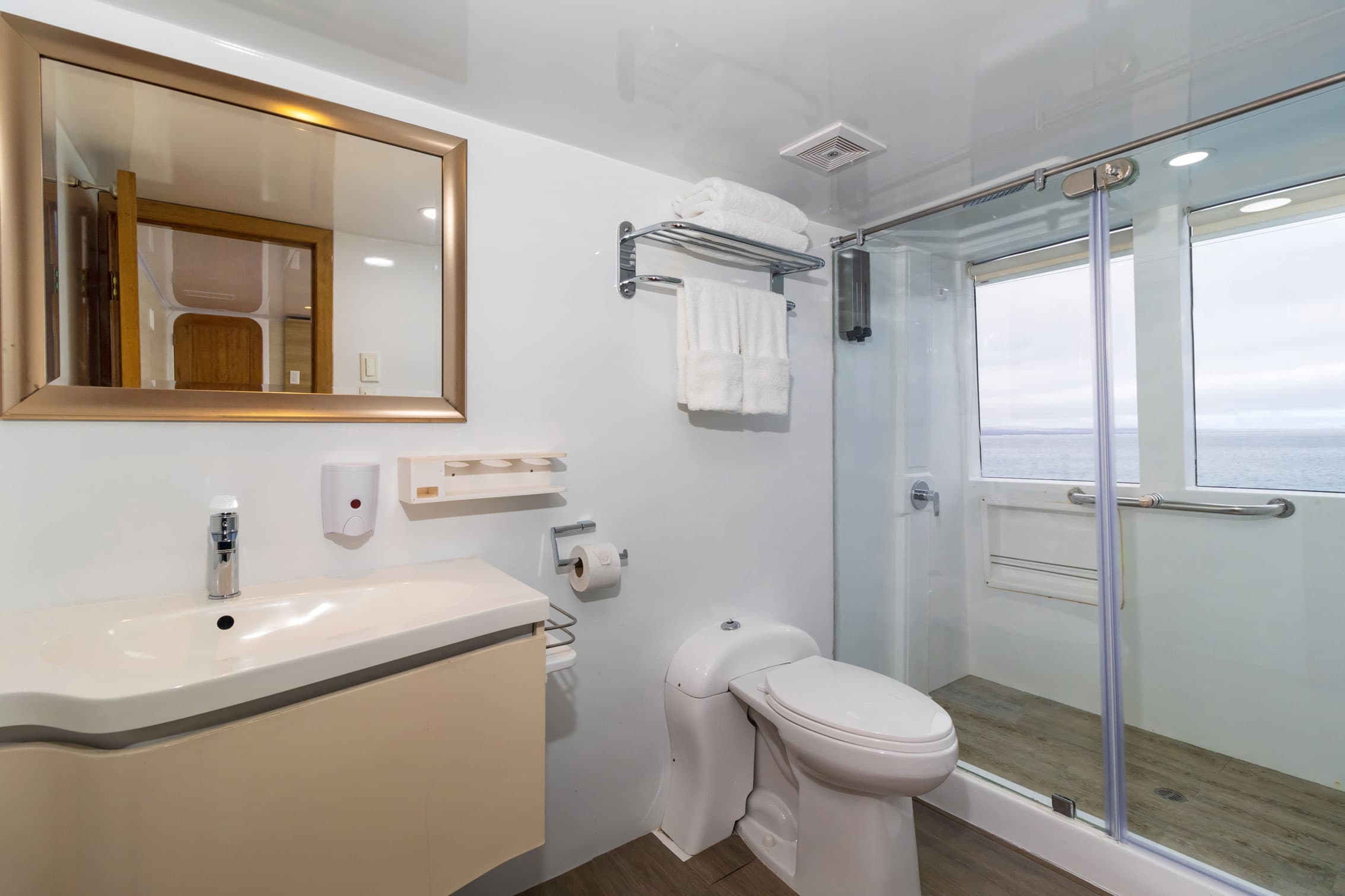
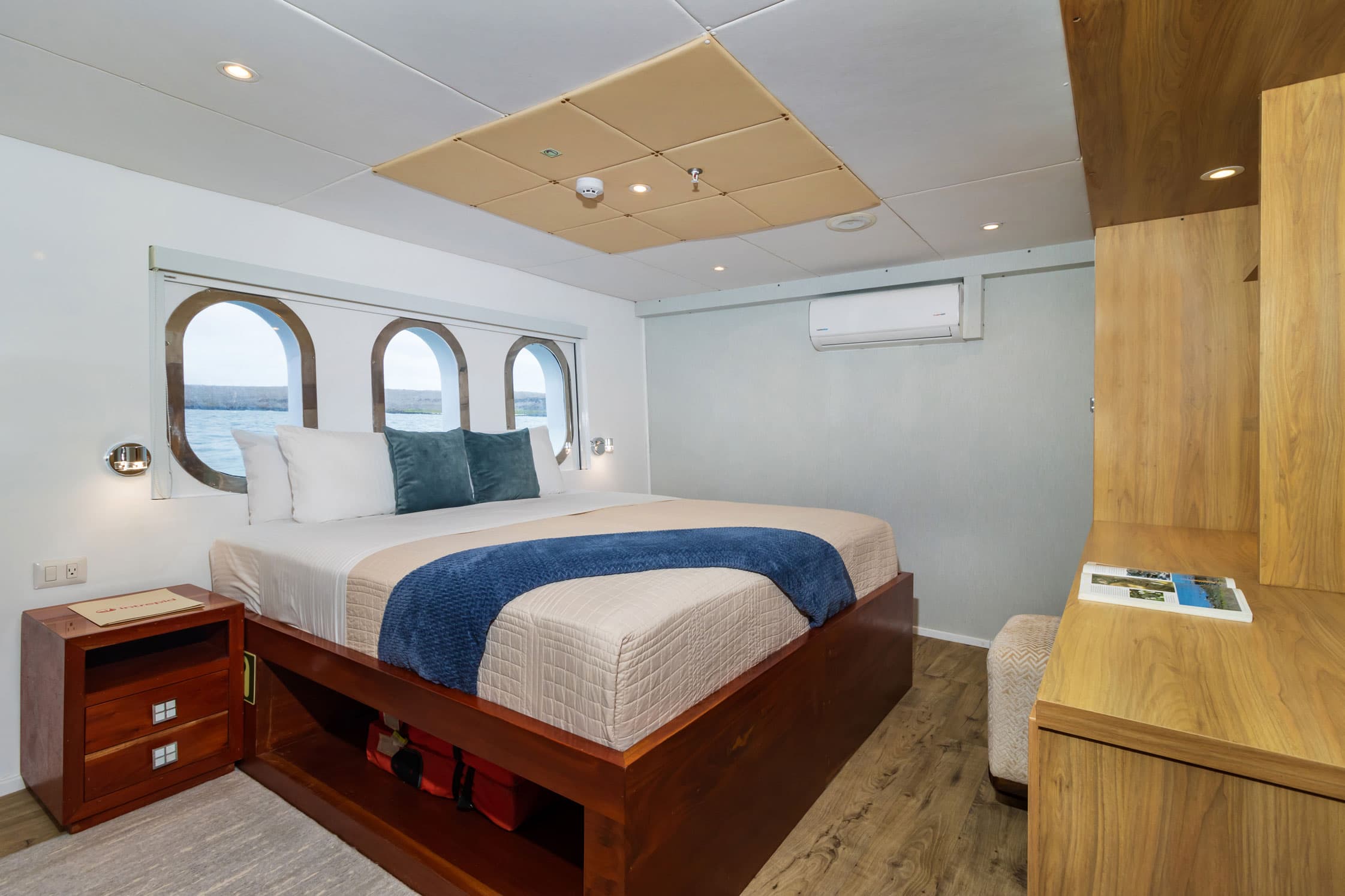
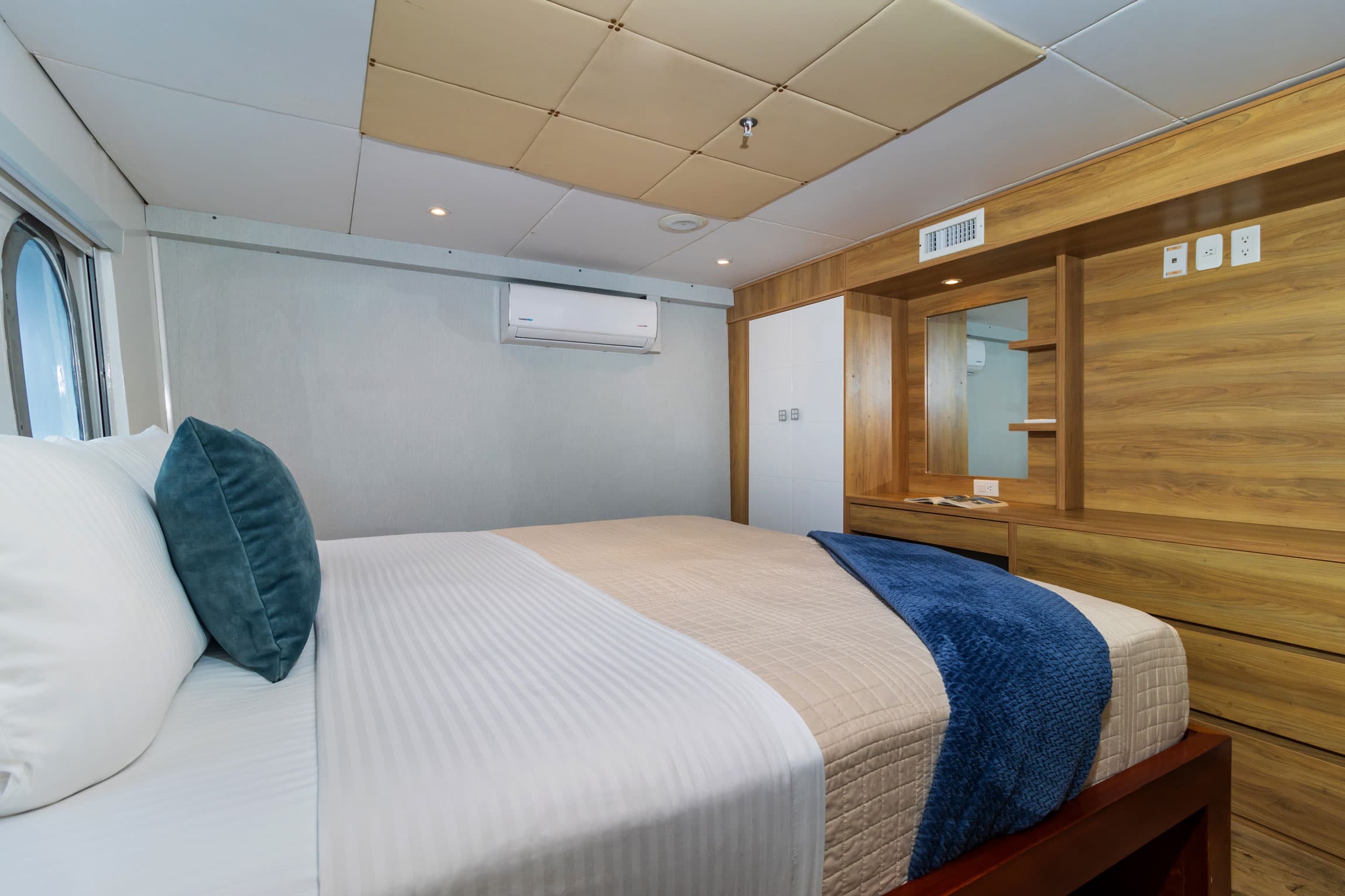
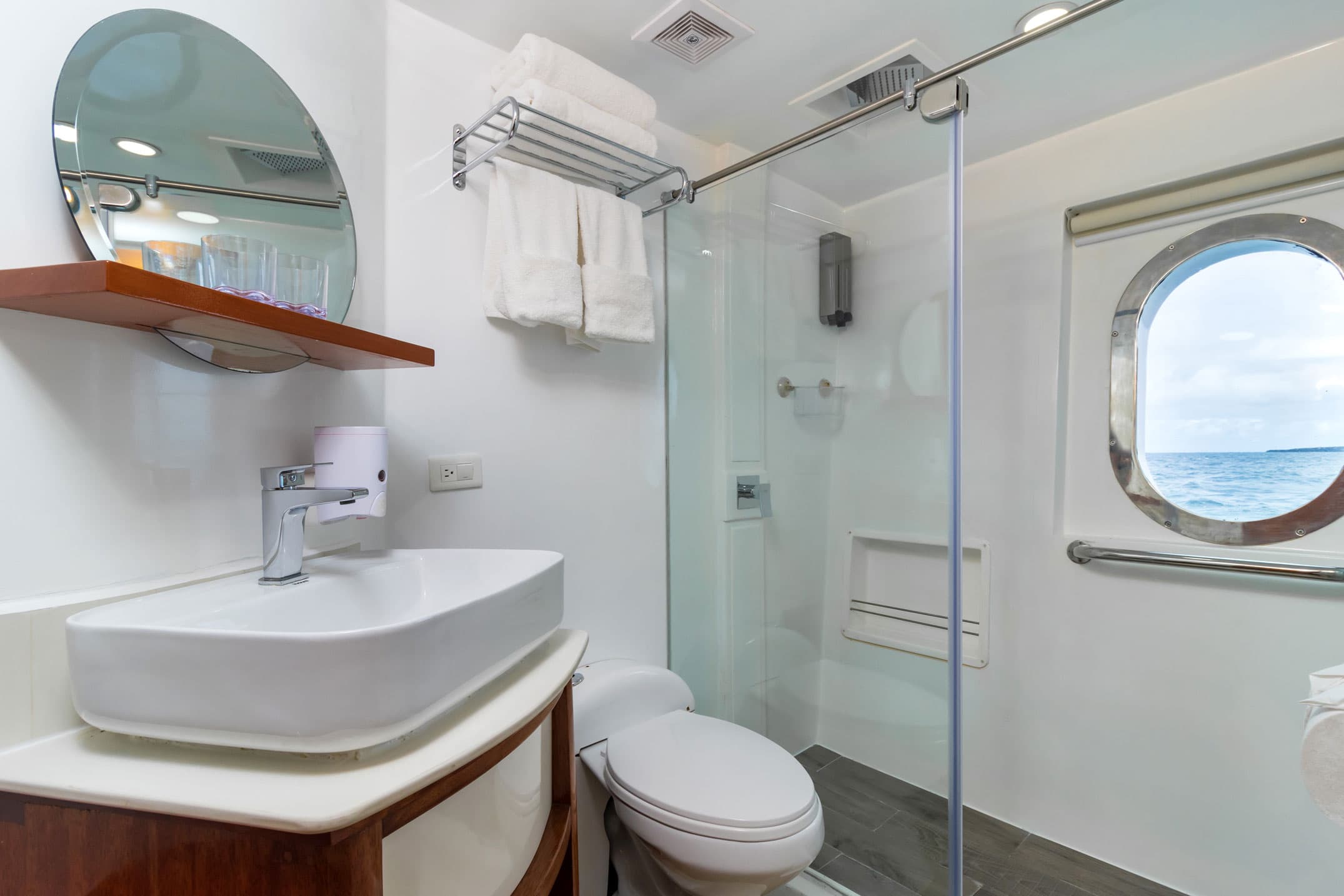
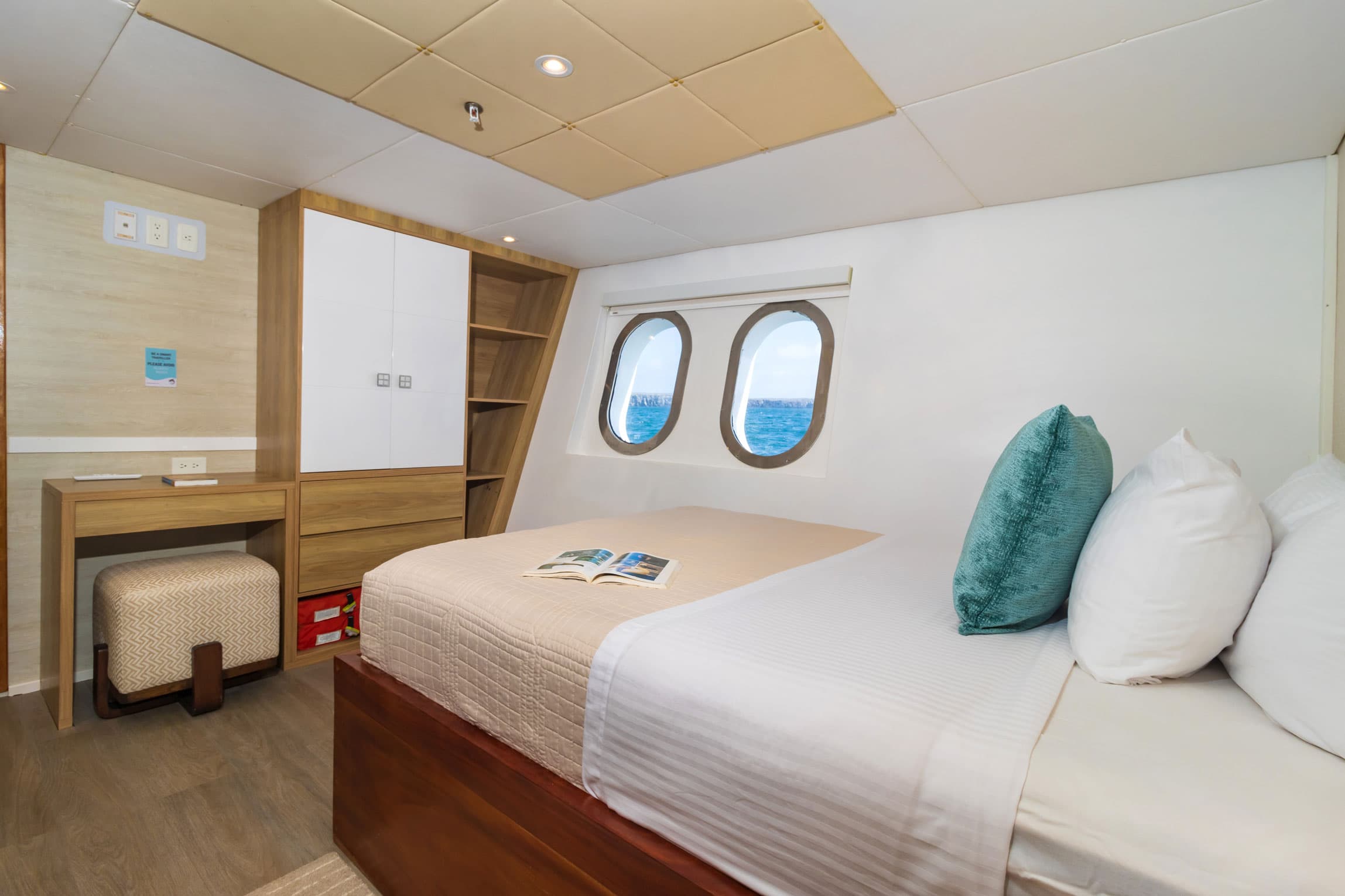
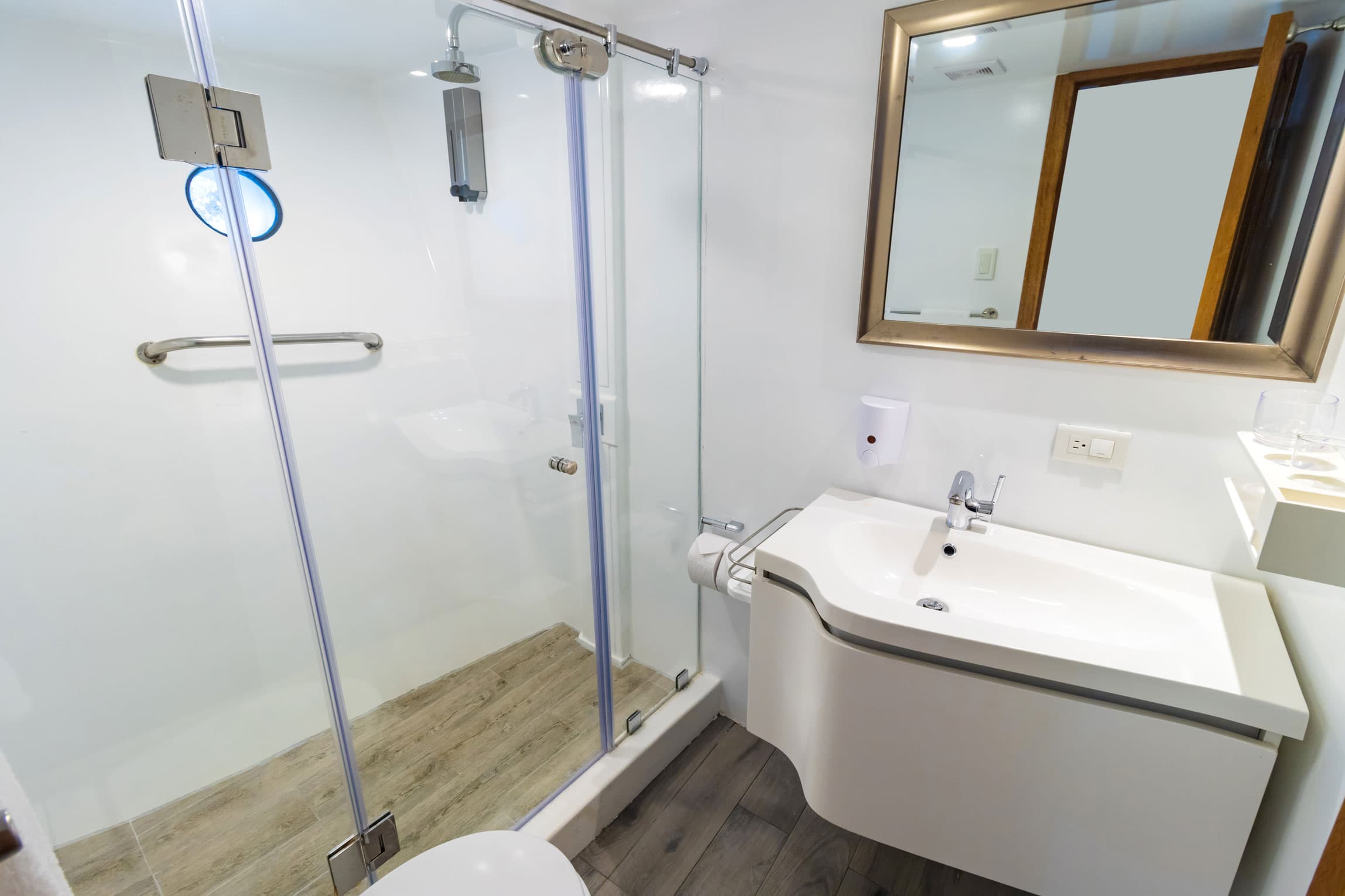
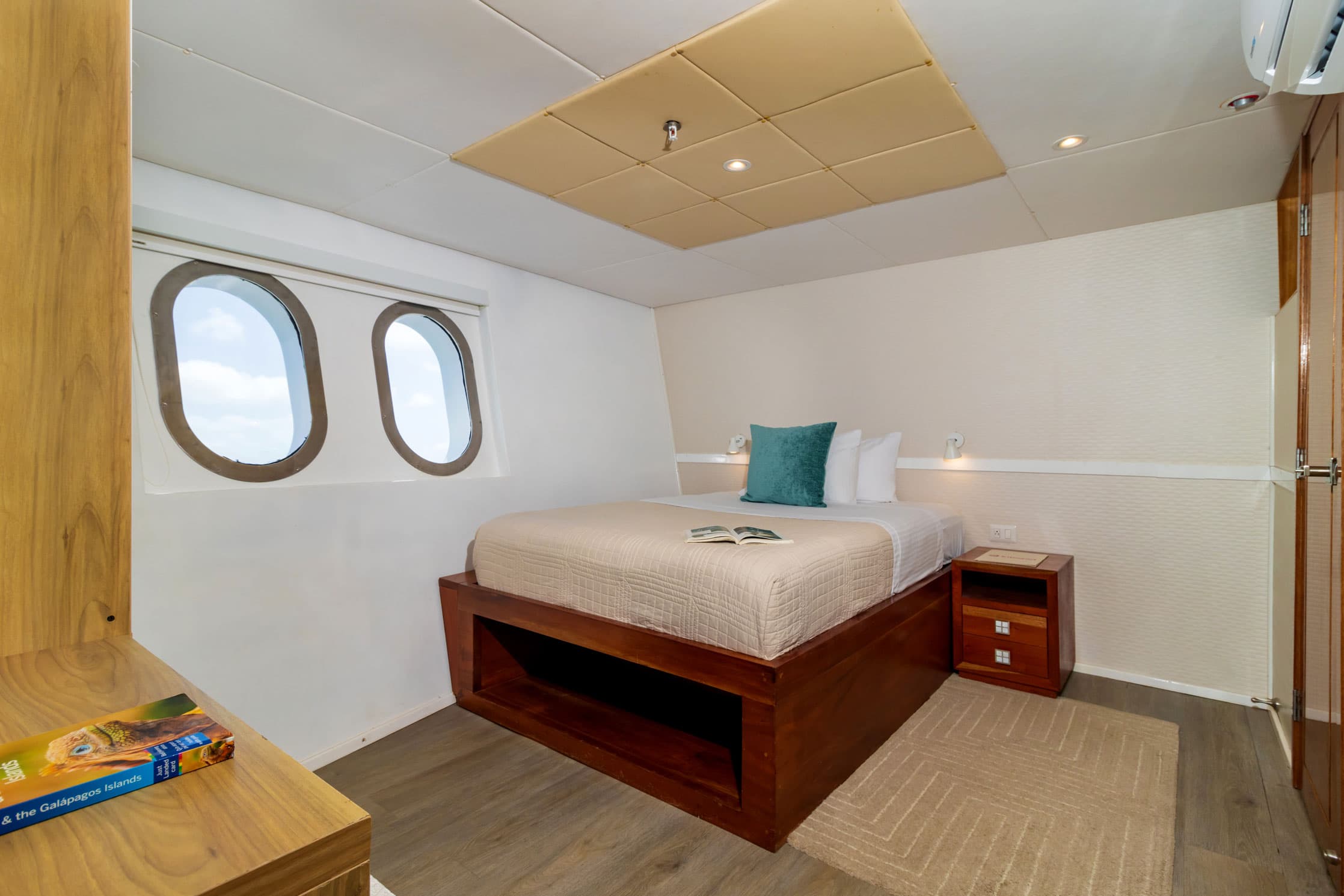
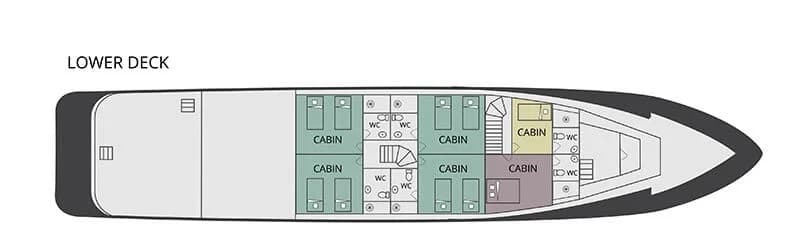
Public Areas
Public Areas
Public Areas
Main deck suite
Upper deck king/2 twins
Jun 3-10 · 8 days · 2 cabins left
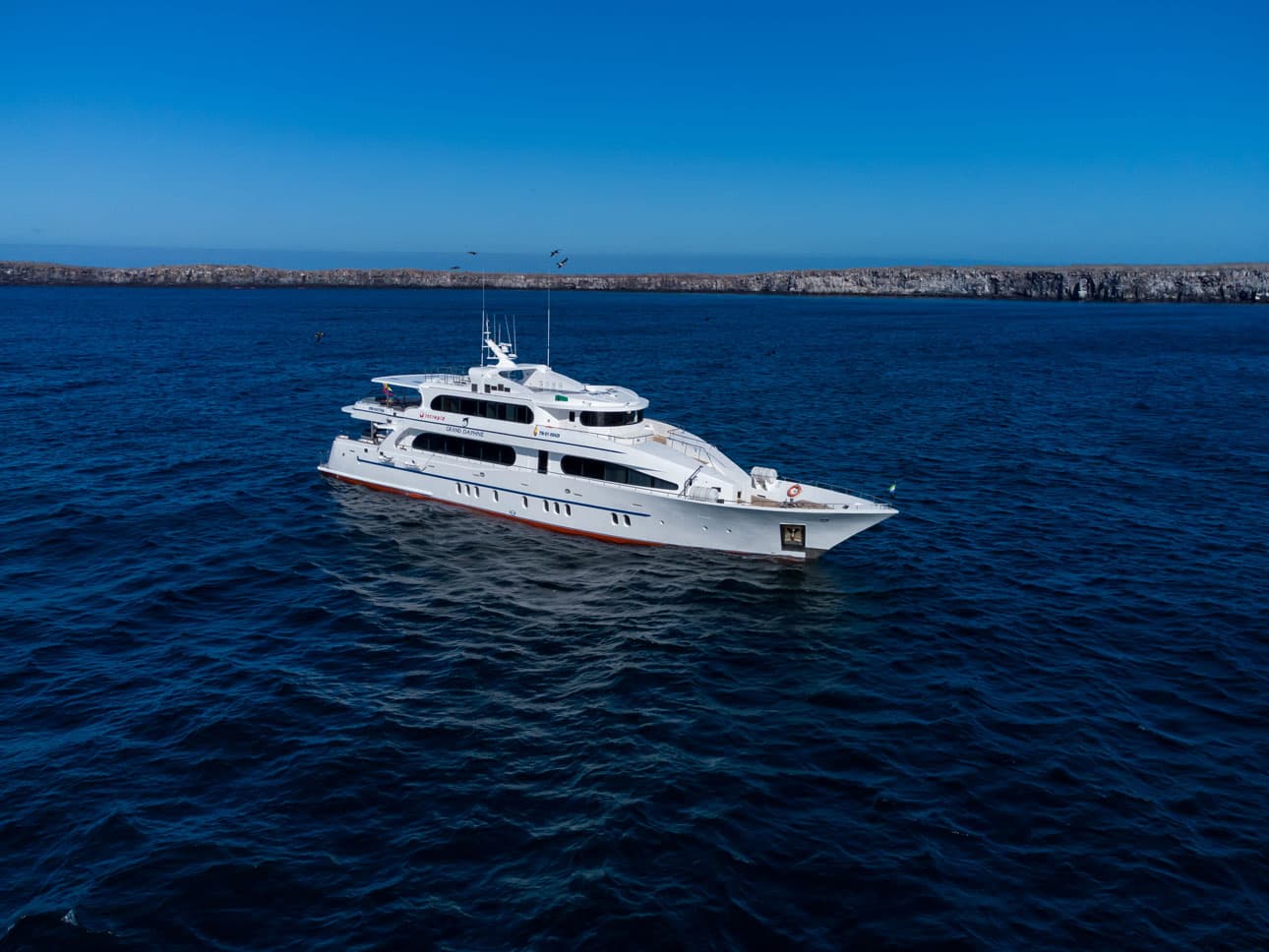
Built with the highest standards for comfort, travelling and that covers all the demanding safety measures to operate in the Galapagos Islands. Been a first-class cruise, you can expect the outmost level of service. It complies with all the standards set by the Galapagos National Park to best protect the environment and the islands.
Availability shown is what the operator has on file for this departure.
From $3,823 per person
Want the cabin to yourself? Contact the operator about single occupancy.

Kayaks
Kayaks

Medical support
Medical support

Paddle boards
Paddle boards
Morning
Baltra Island Airport, Baltra
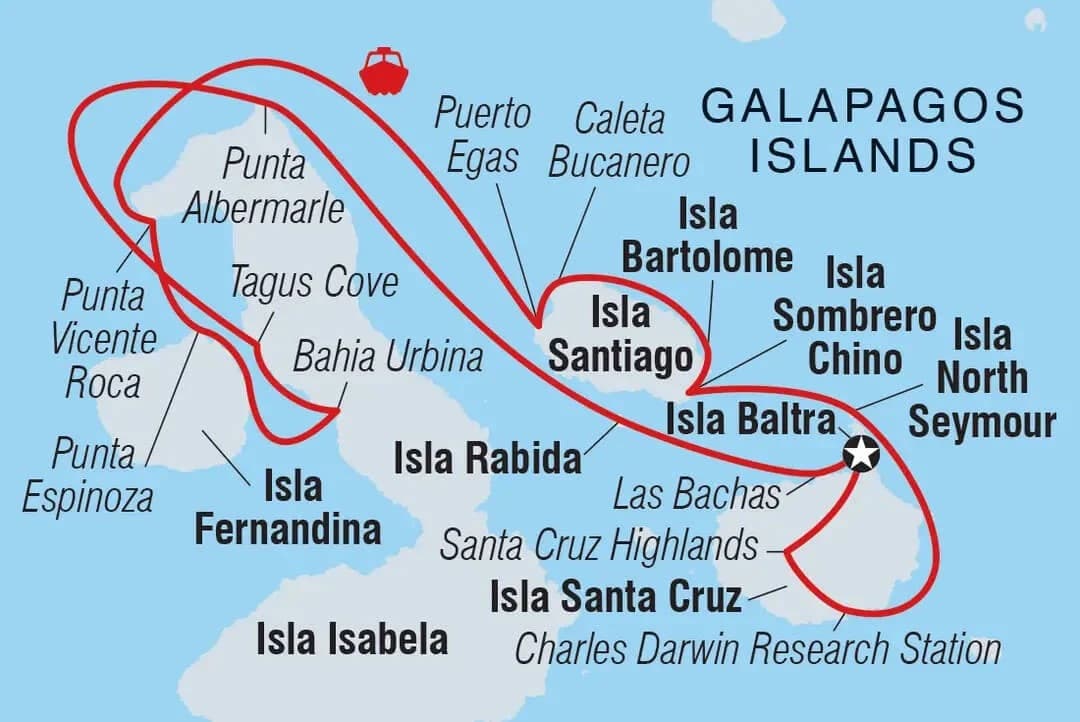
When you arrive to Baltra airport, you’ll be met in the arrivals hall by your naturalist guide and transferred to your boat, M/Y Le Grande Daphne, which will be moored close to Isla Baltra. Once on board, you’ll meet the crew, be assigned a cabin and enjoy a delicious lunch with your fellow travellers. Try on the snorkelling gear to ensure it fits, before your first snorkelling session. Wetsuits can also be hired at an additional cost.
Afternoon
Santa Cruz Island, Bachas Beach, Santa Cruz
Sail from Baltra to Las Bachas, on the north shore of Isla Santa Cruz, which is a nesting site for the Pacific green turtle. You may also see some marine iguanas. The sand here, made of decomposed coral, is particularly white and soft, and the nearby rocks make for an excellent snorkelling spot, where you might see some of the many Sally Lightfoot crabs on the island. A saltwater lagoon just near the beach is home to flamingos, whimbrel, and great blue herons.
Activities
Morning
Rabida
Today you will sail from Las Bachas to Isla Rabida, known for its spectacular red sand beaches, caused by the high content of iron in the sand which rusts to form the unusual shade. Follow a trail from the shore along to a lagoon which is one of the best spots in the Galapagos to view flamingos. Keep an eye out for nesting pelicans, pintail ducks, marine iguanas and sea lions – all are commonly sighted on the island. Check out a vast opuntia cactus forest, hinting at the previous habitation of land iguanas, Galapagos hawks, mockingbirds, doves, finches and lava lizards. You may like to take the chance to go snorkelling and seek out sea stars, damsels, gobbies and surgeon fish.
Activities
Afternoon
Isabela Island, Albemarle Point, Isabela
In the afternoon, head to Albemarle on the northeast side of Isabela Island. Covered in mangroves, the bay is home to sea turtles, sea lions, penguins and flightless cormorants who feed on the algae and fish here. Another fantastic location for snorkeling, you may like to have a look beneath the water’s surface in search of sea turtles and flightless cormorants.
Activities
Morning
Isabela Island, Tagus Cove, Isabela
Sail overnight from Punta Albermarle around to the western shores of Isla Isabela. Wake up near Tagus Cove, where pirates and whalers used to collect tortoises for their travels. Enjoy a short visit here (approximately 2 hours), perhaps snorkelling or checking out the graffiti on the walls (the oldest of which is from 1836). Witness flightless cormorants, blue-footed boobies, a variety of waterfowl and the most northerly penguins in the world. You will walk to a lookout point for a stunning view of the north of Isabela Island and Volcan Wolf (Wolf Volcano).
Activities
Afternoon
Isabela Island, Urbina Bay, Isabela
Today you will also visit Bahia Urbina on the west of Isabela Island, Urbina Bay has a wide variety of plant life which changes depending on the season. You will be able to observe the beautiful color of the plants which attracts many different insects. The site also features a short trek inland, where giant tortoises can be spotted amongst the bushes in their natural habitat. You may also see land iguanas which often nest in the middle of the trail where their distinctive, textured and yellowish skin can be observed from up close. Flycatchers, Darwin’s finches and mockingbirds are common on the ground and in the trees.
Activities
Morning
Fernandina Island, Punta Espinoza, Fernandina
Today we visit Punta Espinosa that is a narrow ledge of lava and sand extending from the base of La Cumbre volcano. Take a walk around the beautiful peninsula, which boasts such wildlife and plant life as lava cacti, marine iguanas, barking sea lions, tiny penguins and Sally Lightfoot crabs. Keep a lookout for that marvelous Galapagos predator hunting from the treetops: the Galapagos hawk. Top-notch snorkeling opportunities await in the clear waters, and turtles and sea lions can be seen swimming around and feeding on the shore. This is also a great spot to see flightless cormorants drying their atrophied wings on the rocks.
Activities
Afternoon
Isabela, Punta Vicente Roca, Isabela
In the afternoon head to Punta Vicente Roca, this site allowed for panga rides to observe the abundant wildlife and offers one of the best snorkeling spots of the Archipelago. The snorkeling “route” takes us along the cliffs and offers the not so common chance of exploring two shallow underwater caves. The primitive and unaggressive bullhead shark, known locally as the Port Jackson shark, is often seen here sharing its space with red-lipped batfish, frogfishes, Pacific seahorses, the endemic Camotillo, schools of barracuda and brown-stripped snappers. Sponges, corals, and other marine invertebrates are also abundant in the area.
Activities
Morning
Santiago Island, Puerto Egas, Santiago
Sail this morning to Puerto Egas, a black-sand beach on the west side of James Bay, northwest of Isla Santiago, home to incredible volcanic tuff formations. Take a stroll along the beach with the native marine iguanas, pelicans, finches, mockingbirds, oystercatchers, Galapagos sea lions and Galapagos fur seals. You can see the amazing tidal pools, formed from ancient lava flow, providing a home for sponges, snails, hermit crabs, barnacles and fish. You might also end up snorkelling with a Galapagos fur seal – they’re always looking for a friend!
Activities
Afternoon
Santiago Island, Buccaneer Cove, Santiago
In the afternoon travel to the northwest side of Santiago Island where you’ll find Caleta Bucanero, named after the pirates and buccaneers who once found shelter in the bay. Here you’ll have the chance to go snorkelling and take a dinghy ride to look for blue-footed boobies, pelicans and nocturnal seagulls nesting in the cliffs.
Activities
Morning
Bartholomew
Wake up in Bartolome Island, a spectacular volcanic landscape full of spatter cones and lava flows, and home to Galapagos penguins and lava lizards. Put on your walking shoes and climb up 360 wooden steps to the summit, where an amazing view of Pinnacle Rock awaits. This is one of the most photographed sights in the Galapagos – an abrupt jag of rock protruding from the earth like a tooth, providing a focal point for two nearby bays. Hike to the top of a once-active volcano and enjoy superb views across to Bahia Sullivan on nearby Isla Santiago. If you’re in luck, you might catch a glimpse of the Galapagos hawk. There’s also the chance to go snorkelling among the colourful marine life.
Activities
Afternoon
Sombero Chino Island, Santiago
In the afternoon, travel to the small island of Sombrero Chino, found on the southeast side of Santiago Island. With lovely sandy beaches and a striking volcanic landscape, this is a fantastic place to take a hike and look out for the sea lions and penguins that rest here, and snorkel in search of reef sharks and sea turtles.
Activities
Morning
Seymour
Wake up this morning in North Seymour, one of the most visited islands of the Galapagos. First up is a walk around the island to spot some blue-footed boobies and swallow-tailed gulls. Boobies and frigates have an interesting relationship, sharing the same nesting area on North Seymour. Blue-footed boobies nest on the ground while the frigate birds nest just above them in the saltbushes. As you walk, look out for land iguanas, marine iguanas, Galapagos sea lions and the endemic incense tree. After the walk, cool off and go snorkelling and encounter a great variety of fish and perhaps some white-tipped reef sharks, rays and sea lions.
Activities
Afternoon
Santa Cruz Island, Darwin Station - Tortoise Centre, Santa Cruz
Later in the day, travel to Isla Santa Cruz, the second largest island in the Galapagos. Pay a visit to the Charles Darwin Research Station in the small town of Puerto Ayora. As well as undertaking vital conservation work, the station also makes for interesting exploration and offers the best opportunities for close encounters with giant tortoises. You may also see baby tortoises. Enjoy some free time to walk around the town where you can purchase a souvenir or two to take back home with you.
Morning
Santa Cruz Island, Los Gemelos - Highlands, Santa Cruz
Flights to the mainland from Galapagos depart mid-morning, so it’s an early start for your last morning on the islands. You will visit the Santa Cruz Highlands. Travel through the agricultural region and into the misty forests where you can see the unique scalesia cloud forest, dome-shaped giant tortoises in the wild, different species of Darwin finches and possibly the world-famous woodpecker and warbler finches. You might also glimpse a vermillion flycatcher.
Morning
Baltra
Then it’s time to bid farewell to the archipelago and head to the airport for your mid-morning flight back to Quito.
No payment required • Free cancellation