Loading departure…
Loading departure…
Loading departure…
Loading departure…
Loading departure…
Loading departure…
Loading departure…
Loading departure…
Loading departure…
Loading departure…
Public Areas
Public Areas
Public Areas
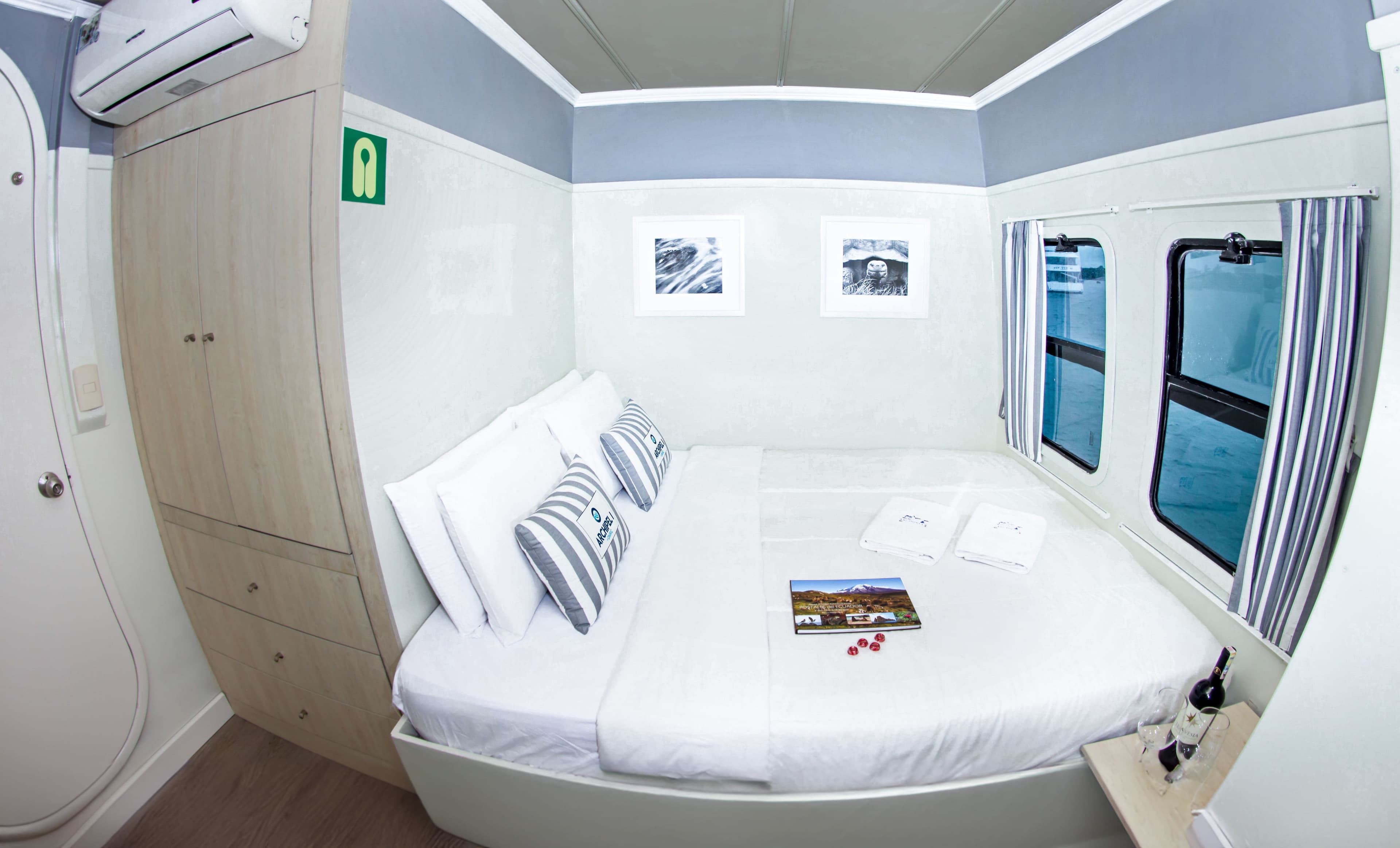
Convertible (Twin/Double)
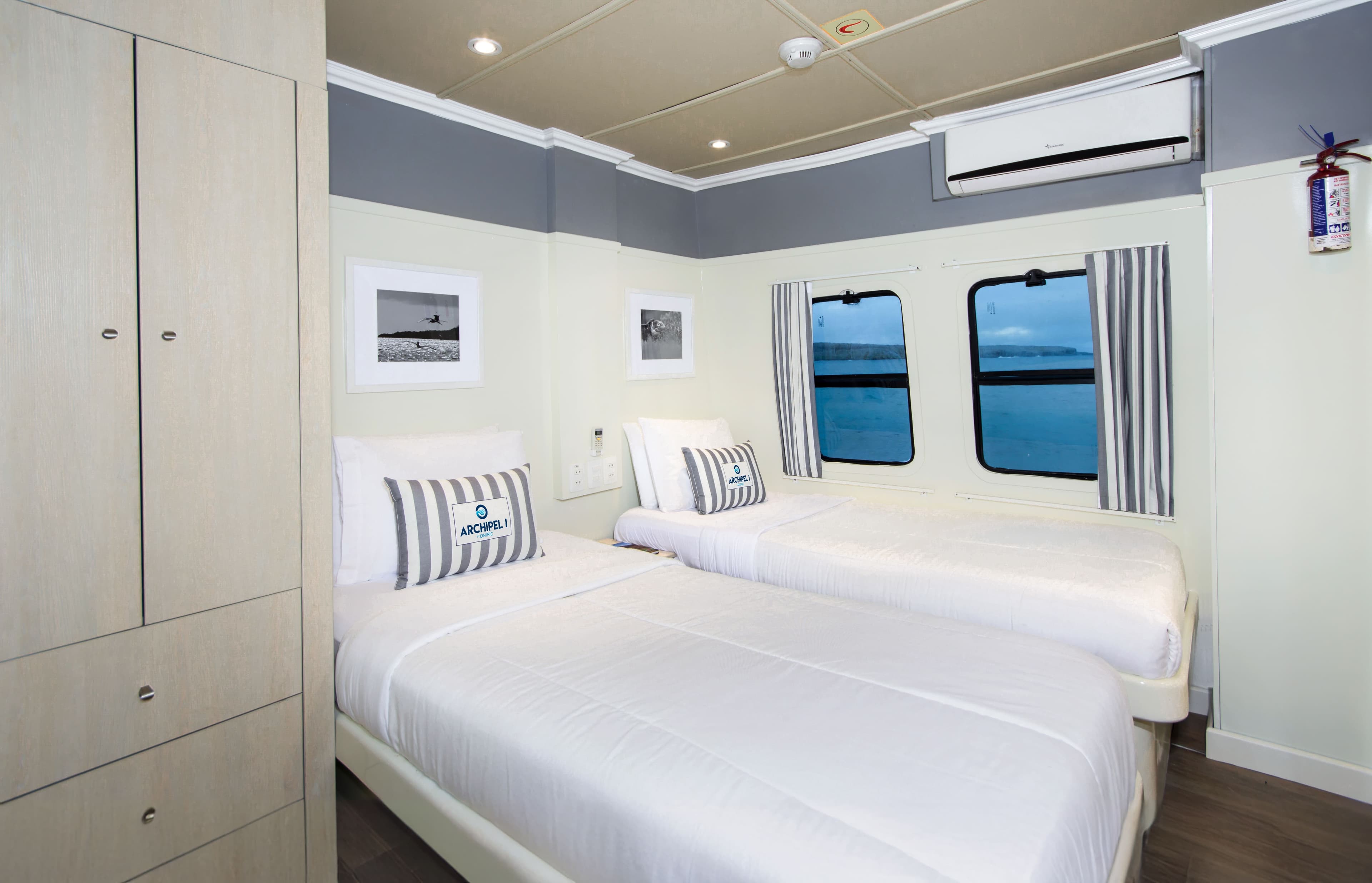
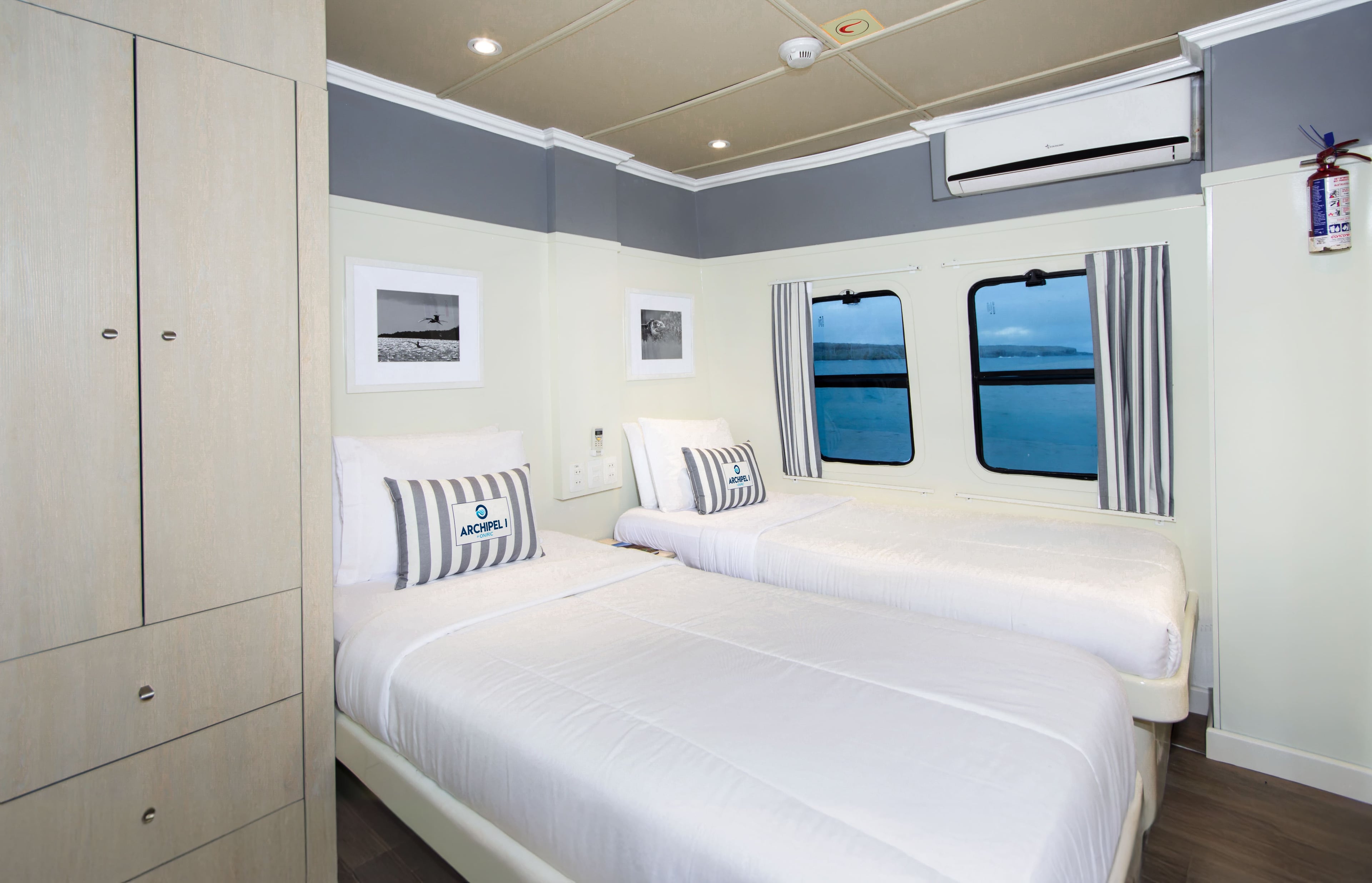
Twin Cabin
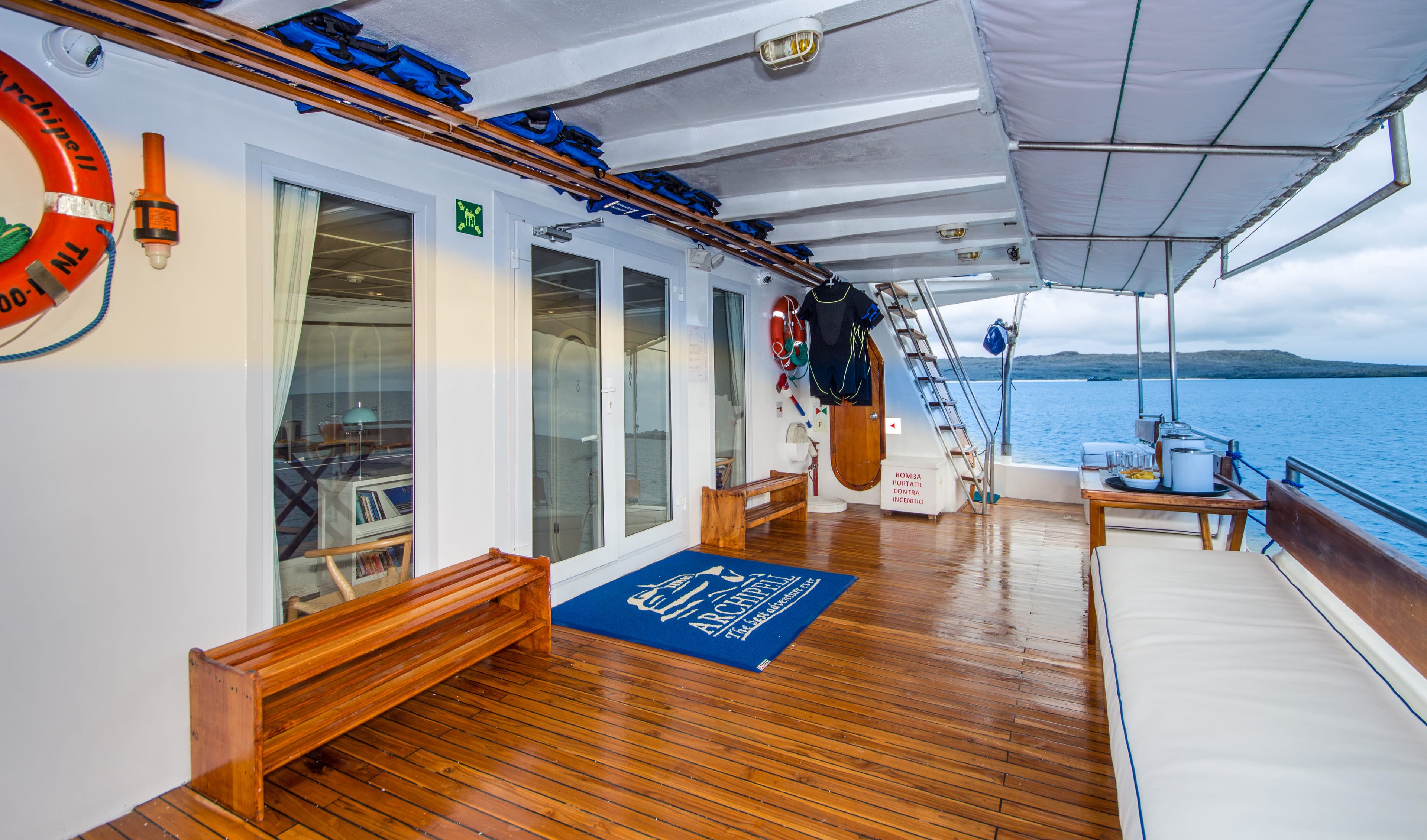
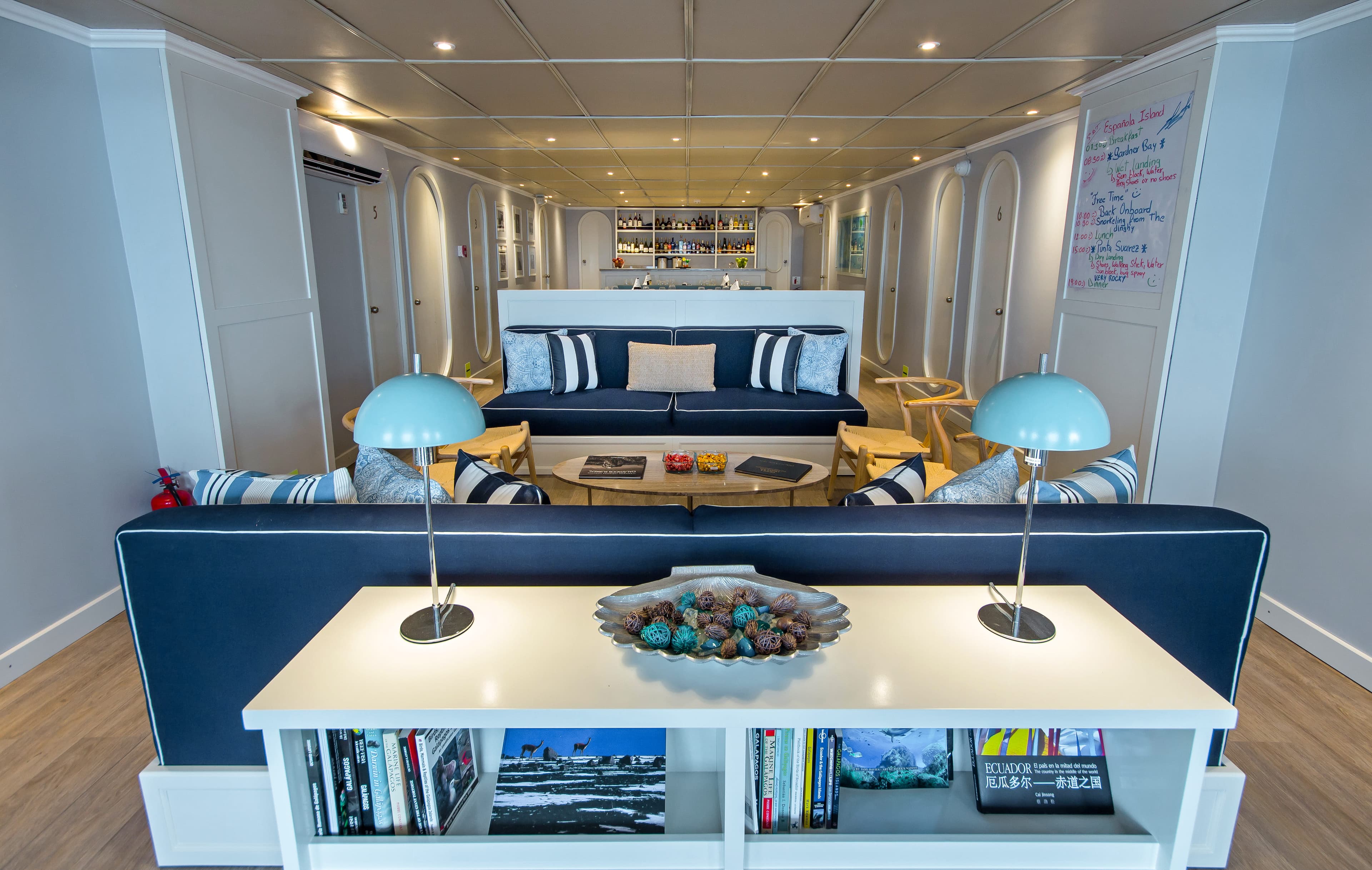
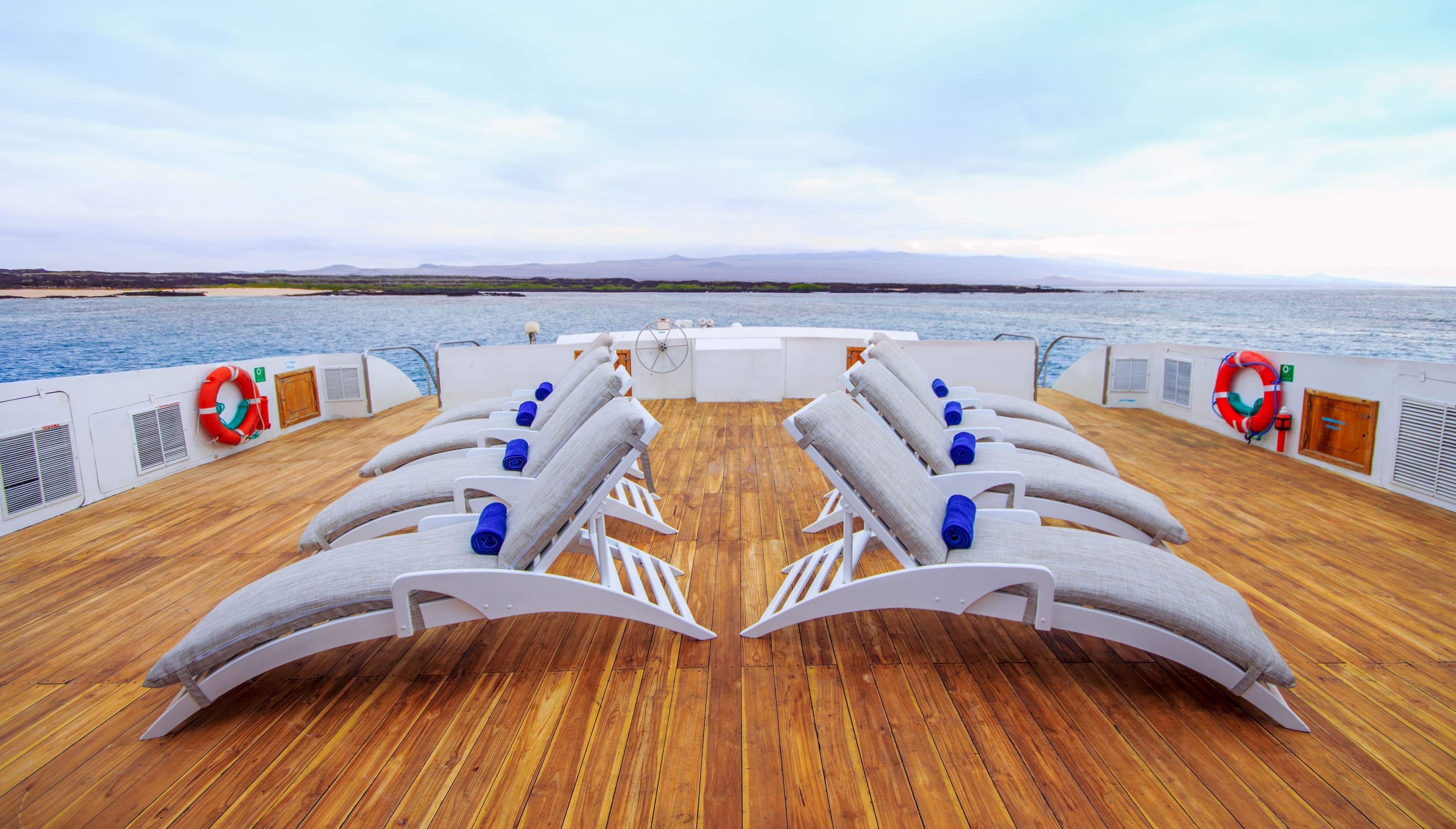
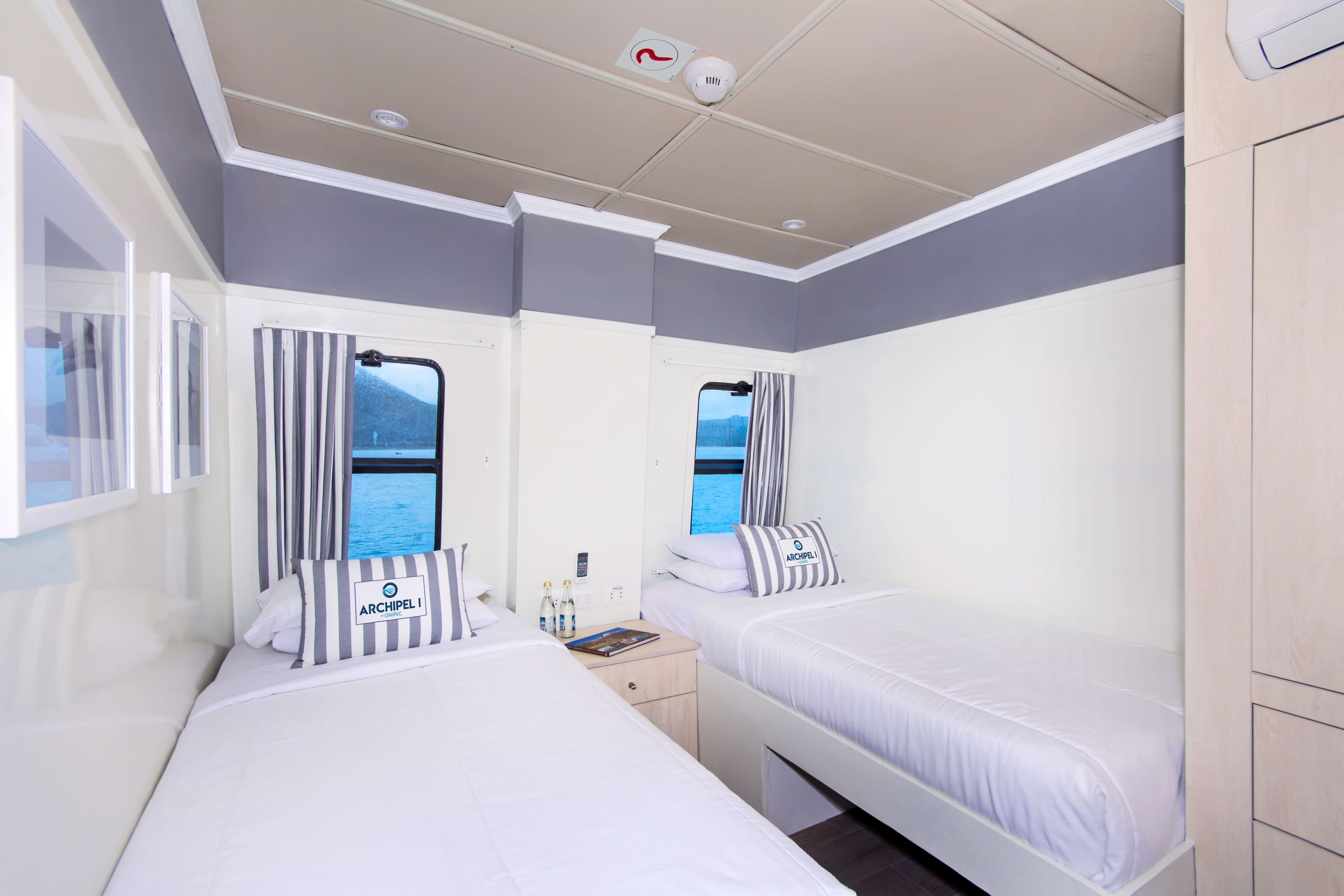
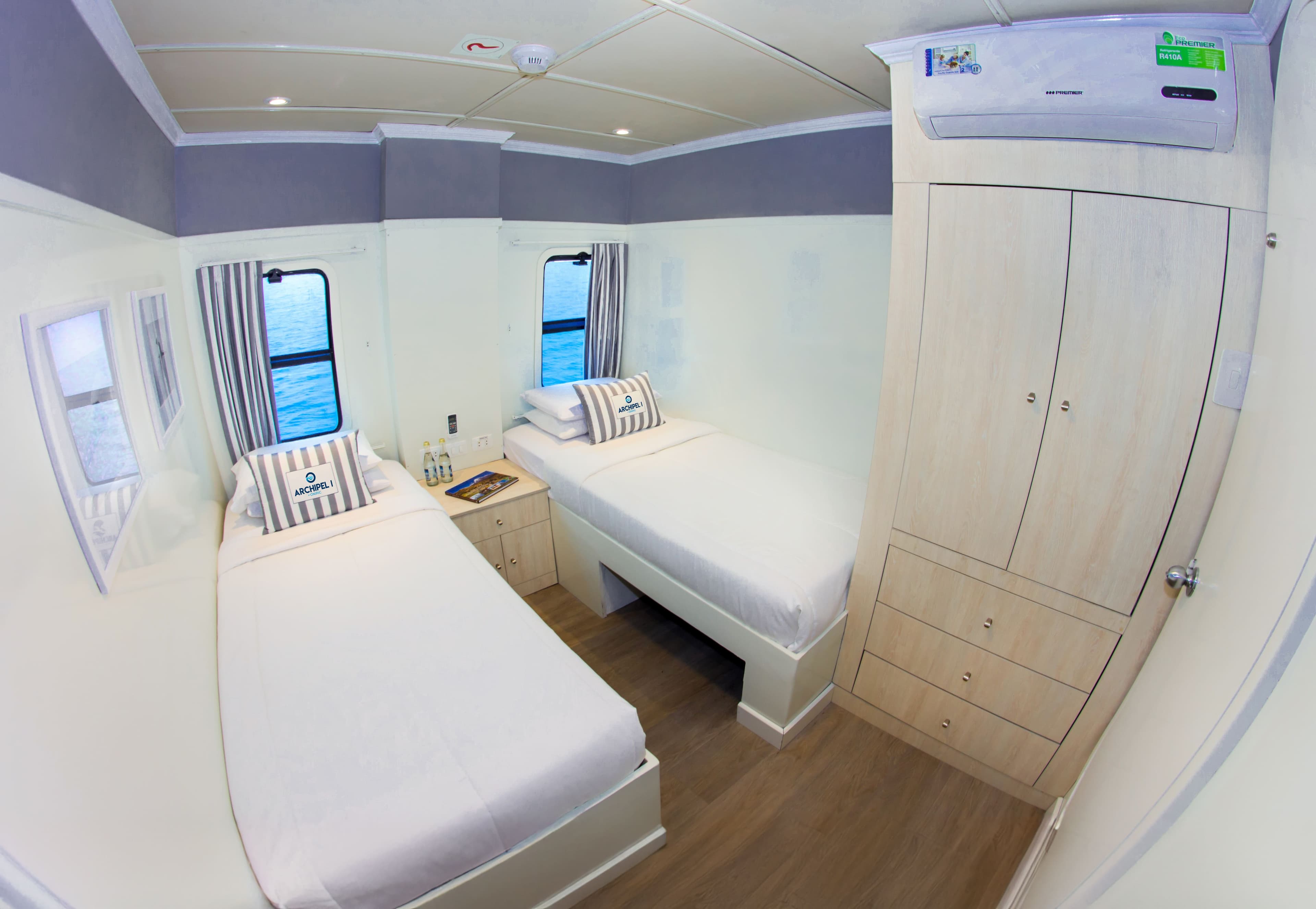
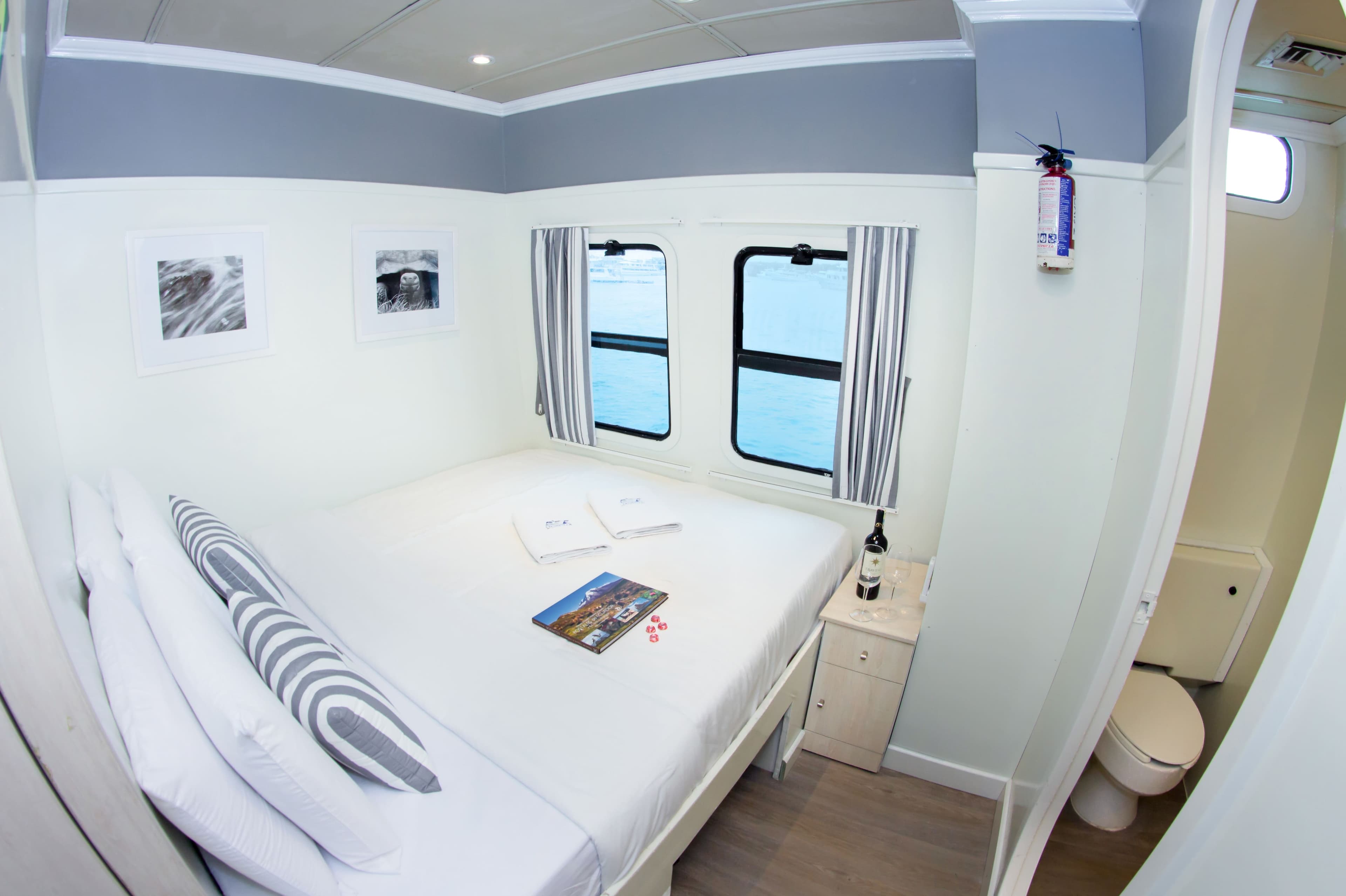
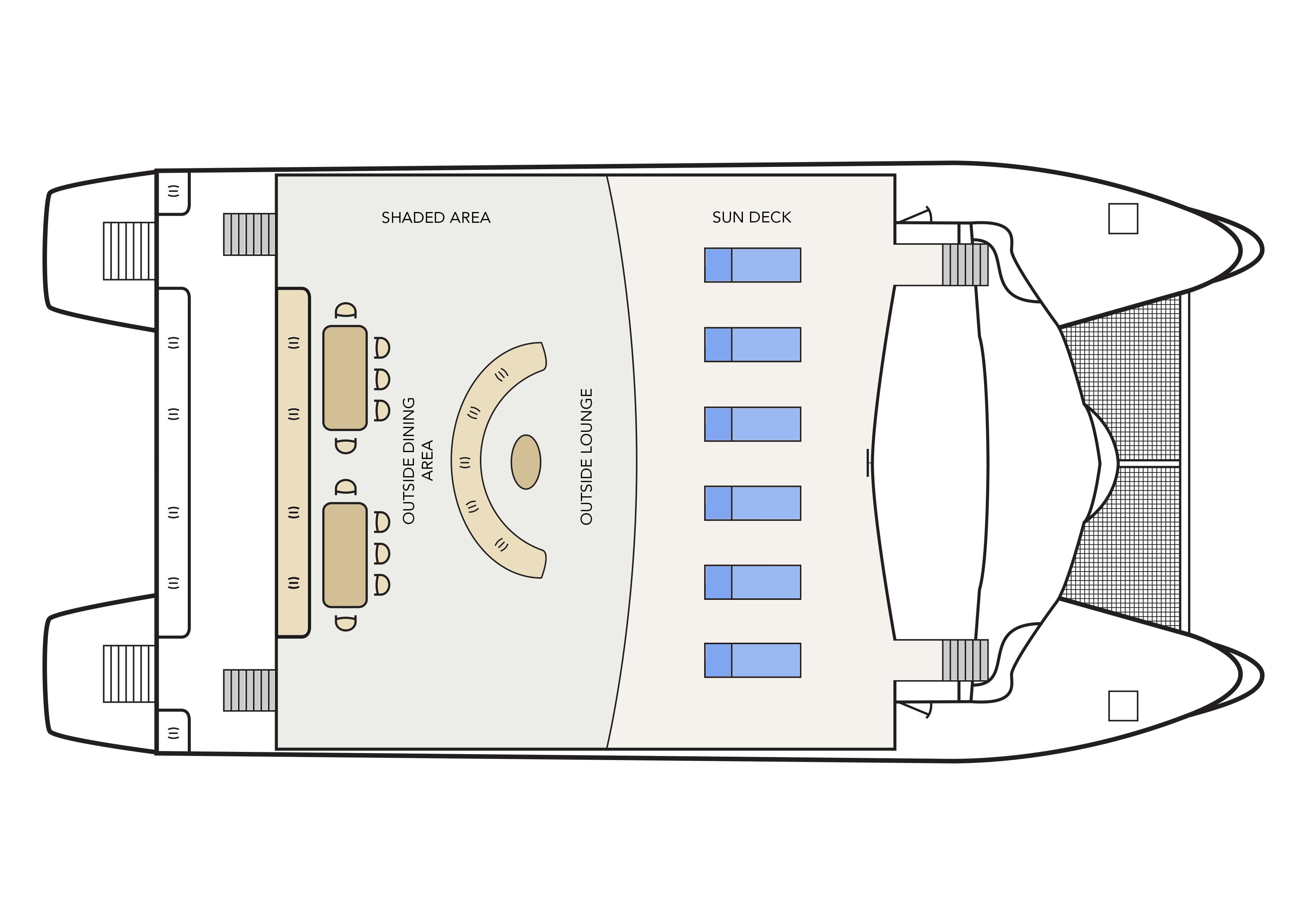
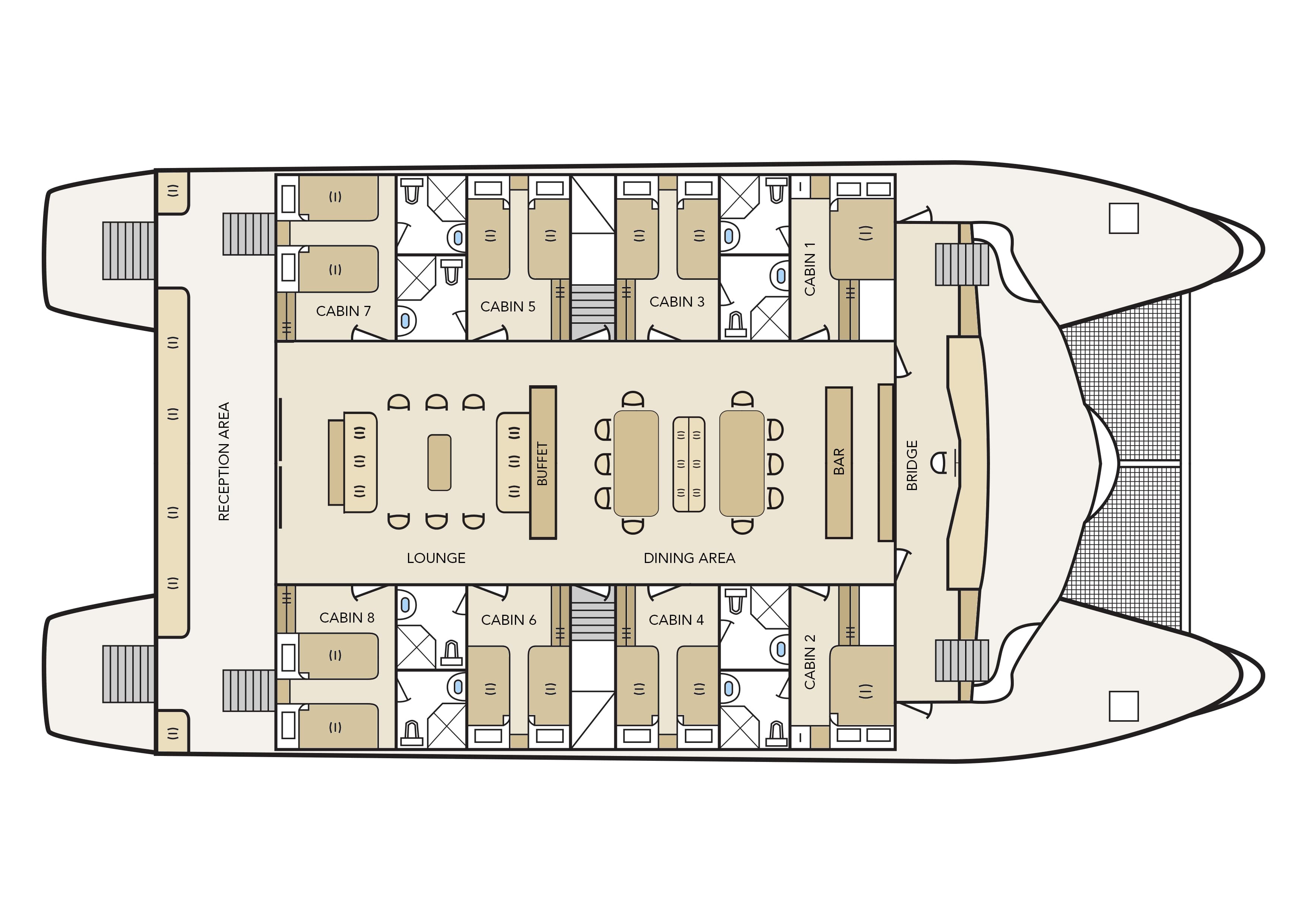
Public Areas
Public Areas
Public Areas
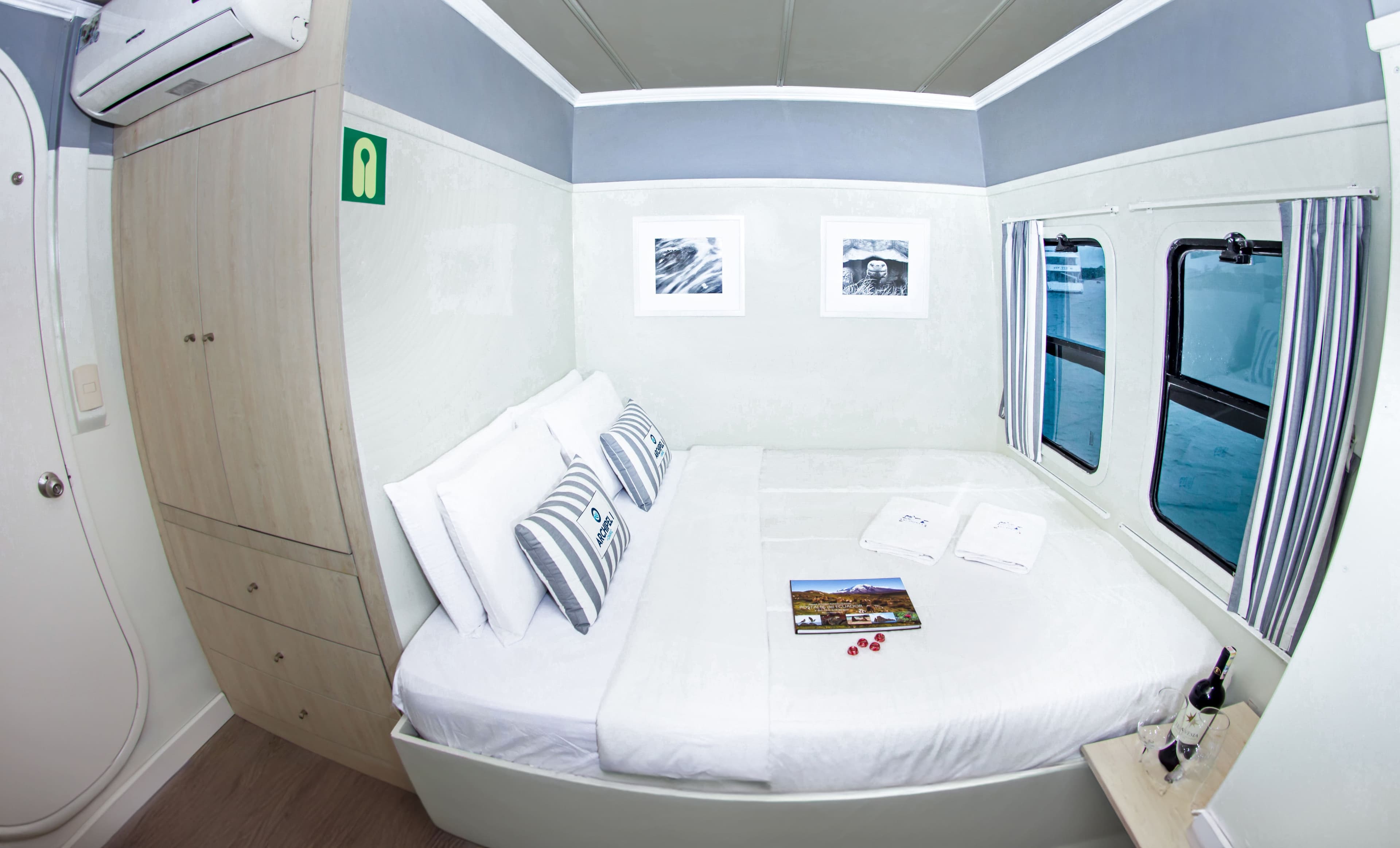
Convertible (Twin/Double)
Twin Cabin
May 28-1 · 5 days · 1 cabin left
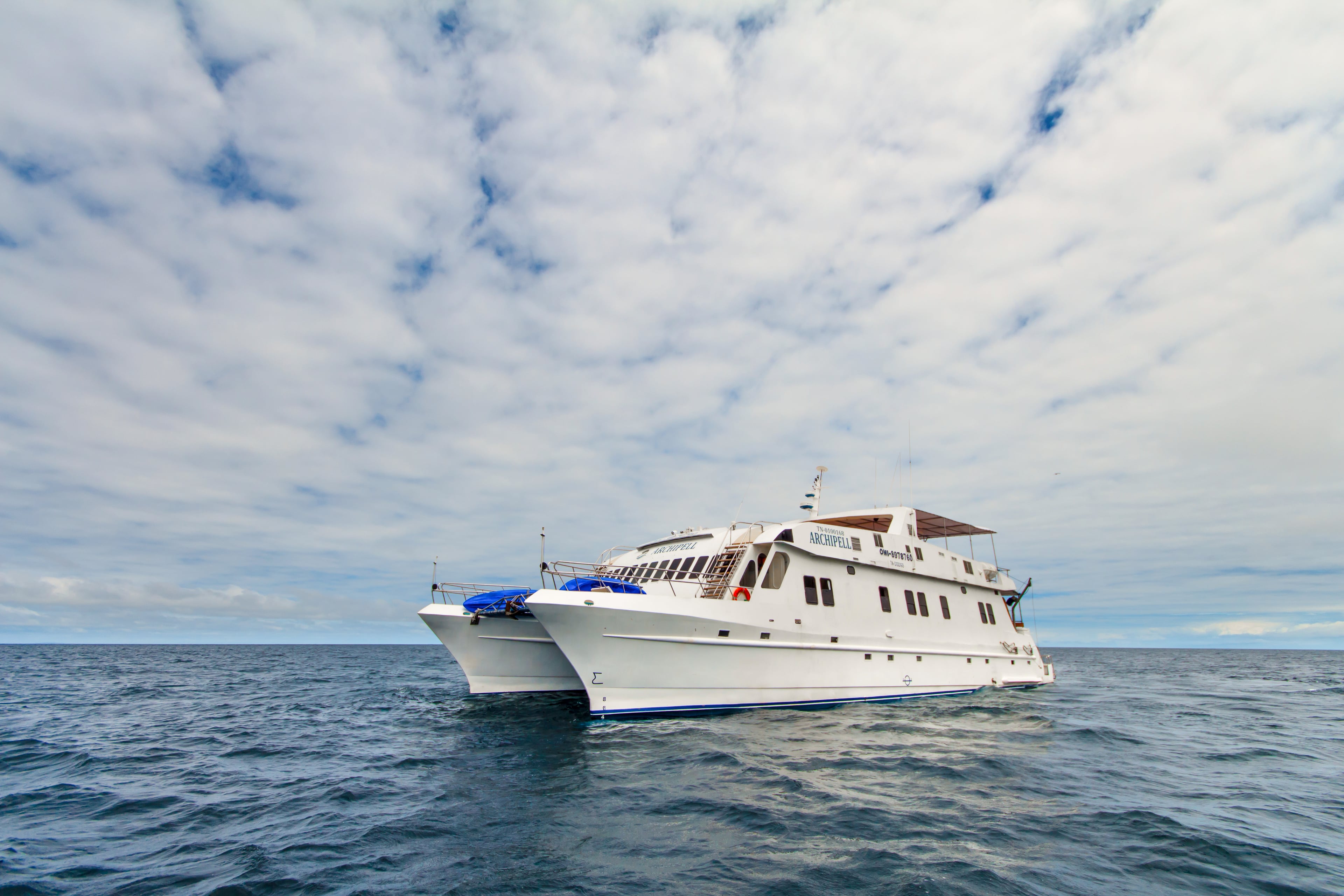
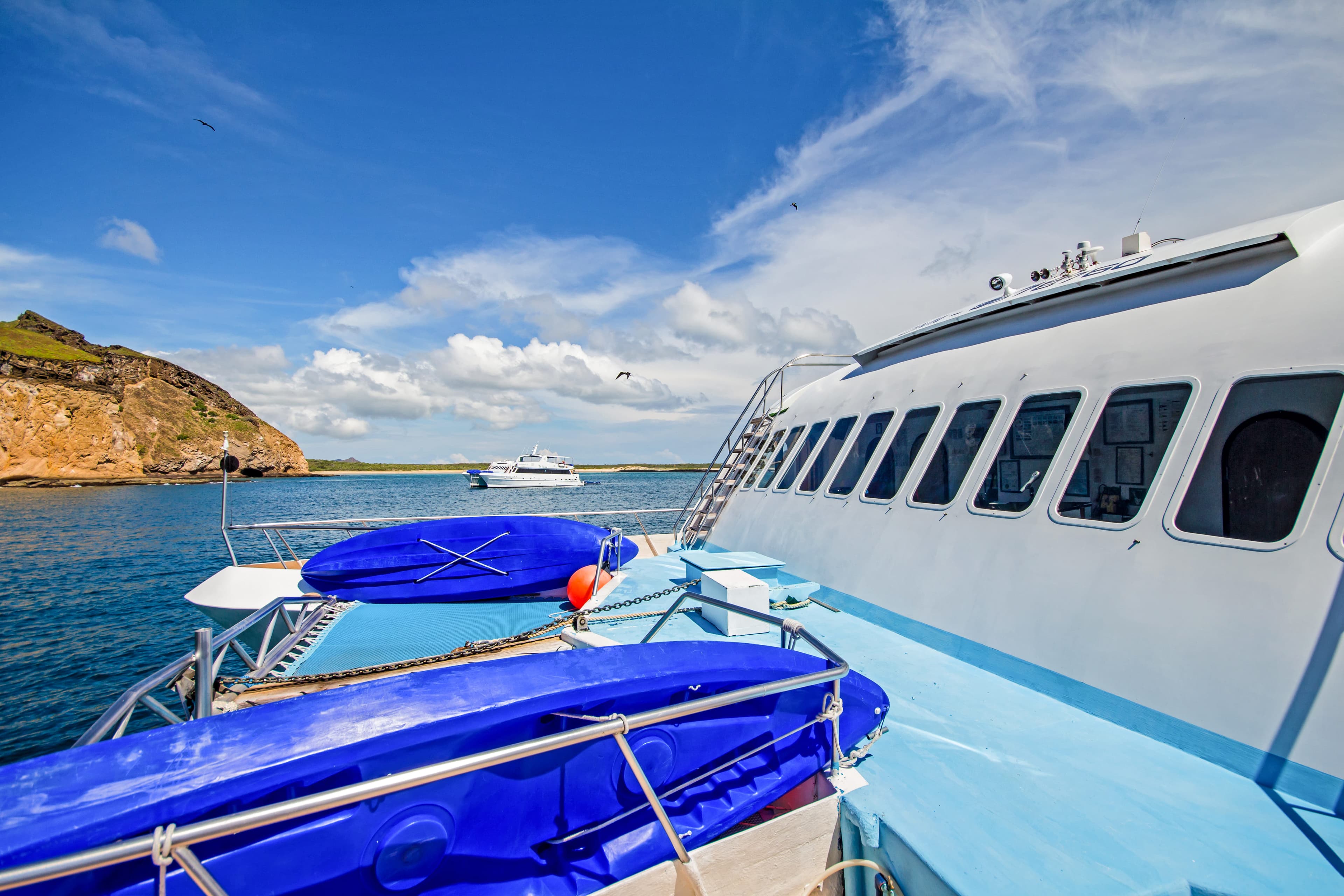
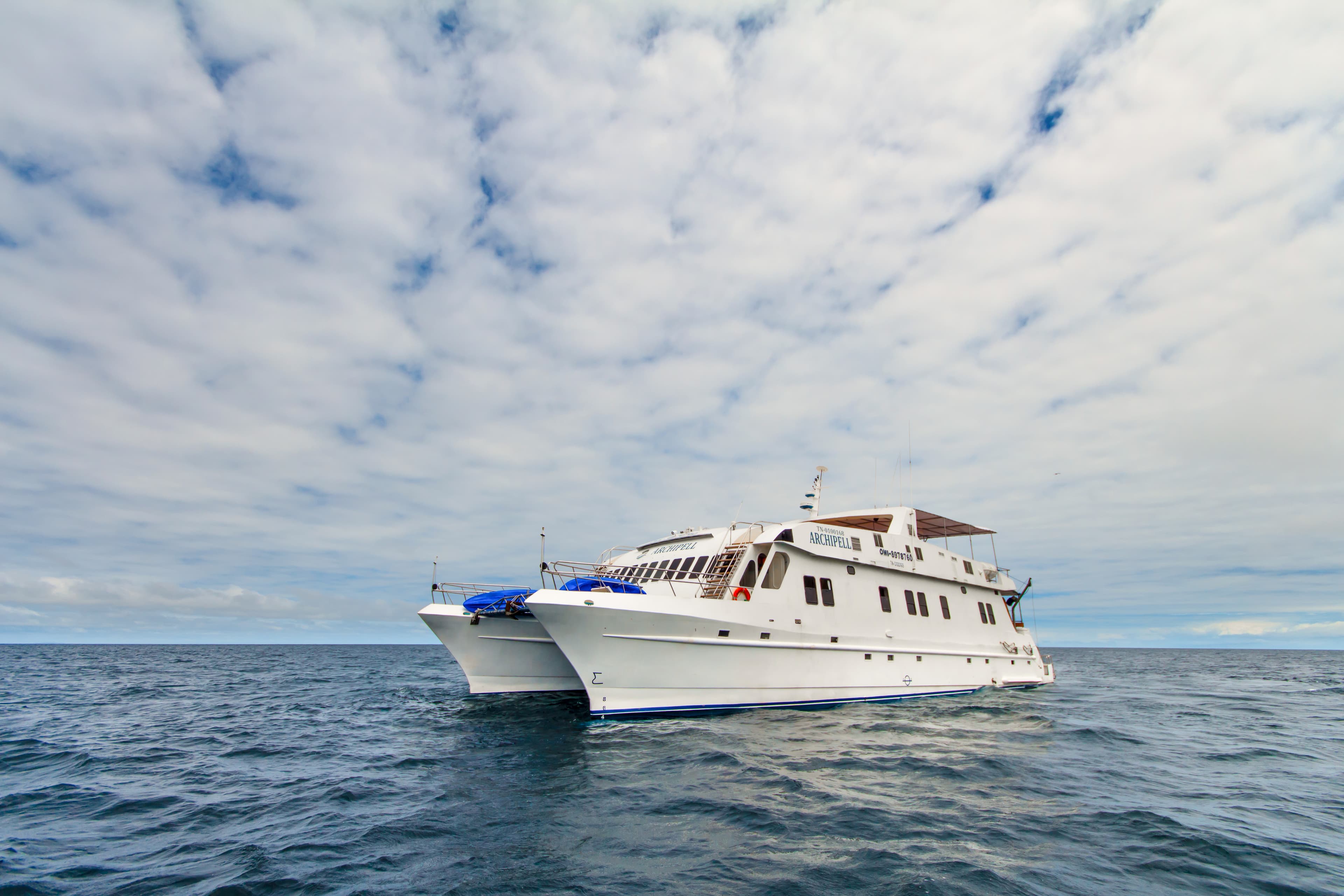
Motor Catamaran Archipel I cruise around the great outdoors of the breathtaking Galapagos Archipelago, where you will keep discovering one surprise after another! Every day we anchor at two selected visitor’s sites and organise at least two excursions.
You will observe nature from different perspectives with our balanced excursion programme, or even during your spare time.
Availability shown is what the operator has on file for this departure.

Wi-Fi
Wi-Fi
Morning
Baltra Island Airport, Baltra
Afternoon
Santa Cruz Island, Darwin Station - Tortoise Centre, Santa Cruz
Fausto Llerena Breeding Centre In the afternoon you will visit the Fausto Llerena Breeding Centre, where you can observe tortoises that come from various islands of the archipelago. They are part of a breeding programme intended to repopulate the areas where the number of tortoises has decreased due to human activity or predatory invasive species. One of the main attractions here is the embalmed Lonesome George tortoise. It hatched in 1910 and died in 2012, and with him, died an entire species (the Pinta Island giant tortoise). If it weren’t for the scientists that work here, more species would have gone extinct. Return on board.
Activities
Morning
Floreana Island, Cormorant Point, Floreana
This morning you will have a wet landing on this peninsula that is covered with aromatic palo santo forest. The sand at the beach is green, because it contains a high percentage of glassy olivine crystals that have been blown out by the surrounding tuff cones. Crossing to the other side of the peninsula, there is a ‘flour sand’ beach that originated from coral pulverized by Parrotfish. From the shore you could spot schools of stingrays who love burying themselves in the sandy bottom. During the first months of the year, Pacific green turtles come ashore to bury their eggs. Return on board.
Activities
Afternoon
Floreana Island, Post Office Bay, Floreana
While you were having lunch we navigated to Post Office Bay. This mailing station has been intermittently in use since the eighteenth century, when the Galapagos was a resupplying port for Pacific pirates. You can join their tradition and send greeting cards to your beloved ones worldwide using the historical barrel (it works). Nearby, the beach is normally visited by sea lions, pacific green turtles, golden rays and even penguins. Next, you may climb the miniature basaltic cone of Baroness Lookout and take in the paradisiacal coastal views. This viewpoint was the favourite spot of one of Floreana’s first modern-era colonists, the eccentric self-proclaimed Baroness and ‘Empress of Galapagos’ Eloisa von Wagner Bosquet, who even built her house a few metres behind. She and one of her lovers were the first in a series of mysterious disappearances and deaths occurring in this island during the 1930s.
Activities
Morning
Española Island, Gardner Bay, Española
Last night we navigated to Española island, the oldest in the archipelago, estimated at over 4 million years old, located in the extreme southeast of the archipelago. On the north-eastern coast of this island, Gardner Bay offers a wonderful place to refresh in the turquoise sea and to snorkel side by side with eagle rays, golden rays, barracudas, batfish, turtles, sea lions, and white tipped sharks.
Activities
Afternoon
Española Island, Punta Suarez, Española
This island is one of the greatest in the world for birdwatchers. Different kinds of finches, frigates, blue-footed boobies and Nazca boobies can be found, as well as the endemic Española mockingbird, Albatross, and Galapagos hawk. Watch your step, because each Albatross' couple lay an egg on the floor and make it roll over to improve hatching success. The juveniles attend the cliffs of the island to learn to fly by jumping into the abysm. And the chicks are organized in nurseries where they will safely remain while the adults are away at sea. Another highlight during this visit is “El Soplador”, a 25 m water geiser produced by ocean waves crashing with great pressure with cracks in the island’s cliff, spouting up through a lava tunnel. This site offers a fantastic background for a meditative experience or a memorable photo.
Activities
Morning
San Cristóbal Island, Punta Pitt, San Cristobal
The wind-sculpted cliffs of Pitt Point were the first sight of land when Charles Darwin arrived in the Galapagos aboard the HMS Beagle on September 15, 1835. Today you will disembark to that very same small green sand beach, where you will first be greeted by a group of barking sea lions. Behind this dreamy beach, crossing some thorny bushes, begins a trail that will take you to the top of the cliff through a ravine. While you ascend, marvel at the landscapes of this geological wonder, where its possible to find three species of boobies breeding and playing: blue-footed, red-footed and Nazca. Two species of frigate birds can be found as well (Great and Magnificent) Do not miss the chance to snorkel or kayak around these far-away, dreamlike shores.
Activities
Afternoon
San Cristóbal Island, Cerro Brujo, San Cristobal
Cerro Brujo is the remains of a tuff cone, and its primary attraction is a coral sand beach that opens into a tranquil bay. Snorkelling here leads to a rich habitat for marine iguanas, stingrays, white-tipped sharks, eagle rays, turtles, morays, garden eels and many kinds of reef fishes. Behind the sand dunes of the beach, there is a dry dark lava flow with salty ponds, which serve as a refreshment spot for iguanas, as well as a strategic place to observe coastal and migratory birds, including pelicans, blue-footed boobies and swallow-tailed gulls.
Activities
Morning
Lobos Island
Lobos Islet harbours a colony of Galapagos sea lions. As in other colonies in the archipelago, you can approach nurturing females within a few metres. During breeding season this colony is also visited by territorial males, defending and mating their harem. There are two other emblematic species breeding here: male blue-footed boobies and great frigate birds who try to impress the females (and tourists) with clumsy dances, heaving their feet or blowing up their balloon-sized scarlet pouches. After this visit, you will disembark and get transferred to the airport of San Cristobal Island. There you will catch your flight.
Activities
As of confirmation / 151 days prior to departure -No fee 150 – 91 days prior to departure -No fee 90 – 61 days prior to departure -20% Penalty fee 60 days or less prior to departure -100% Penalty fee
No payment required • Free cancellation